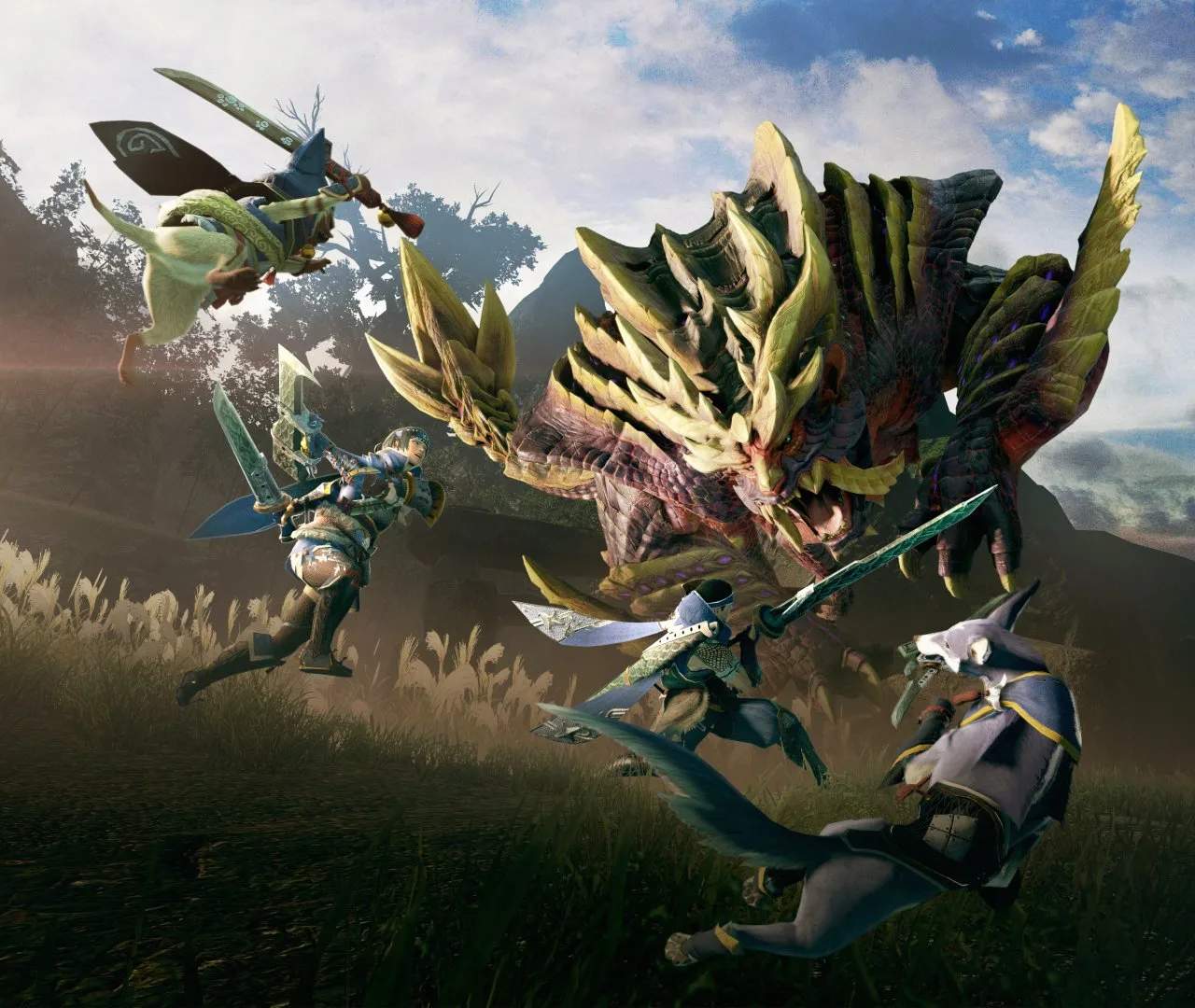
Hunter Rank Progression
Your Hunter Rank (HR) in Monster Hunter Rise is a direct measure of your experience and progress within the Guild. Initially, your HR is capped, only increasing after specific story milestones are met. Once these caps are lifted, your HR will rise with every quest you complete, unlocking new challenges, monsters, and gear. This detailed guide will walk you through the essential steps to efficiently progress your Hunter Rank, from the foundational Village Quests to the challenging endgame.
Village Quests: The Foundation for Hunters
Before you even step into the bustling Hub, focus on completing the Village Quests. These single-player missions, accessible from Hinoa the Quest Maiden in Kamura Village, are crucial for learning the game's mechanics, understanding monster behaviors, and gathering early-game resources without the added pressure of multiplayer scaling. While Village Quests don't directly contribute to your Hunter Rank, they are a prerequisite for unlocking key features, preparing you for the more challenging Hub content, and even fast-tracking your Hub progression later on.
- Complete all Key Village Quests: These are prominently marked with a red icon next to their name in the quest list. Prioritize these to advance the story and unlock crucial progression points.
- Practice with early monsters: Use these quests to familiarize yourself with creatures like the Great Izuchi, Arzuros, Kulu-Ya-Ku, and Tetranadon. This is your chance to hone your weapon skills, learn basic combat flow, and understand monster tells in a less punishing environment.
- Gather Essential Resources: Utilize these quests to gather vital materials for crafting and upgrading. Look for Iron Ore and Machalite Ore in the Shrine Ruins and Sandy Plains respectively, along with various plants, insects, and mushrooms required for crafting potions, traps, and other consumables.
- Unlock Dango Skills: Progressing through Village Quests will unlock more Dango options at Yomogi's Tea Shop. These culinary delights provide valuable temporary buffs for your hunts, such as increased attack, defense, or stamina.
- Expand Buddy Plaza Features: Completing specific Village Quests will expand the facilities at the Buddy Plaza. This includes unlocking additional Submarine slots for the Argosy (allowing you to send Buddies to gather more diverse materials) and increasing the number of Buddies you can recruit and train.
- Unlock Special License Tests: After completing certain Village Quests, you'll gain access to "Special License Tests" in the Hub. Successfully clearing these will allow you to skip lower-rank Hub Key Quests, significantly accelerating your HR progression.
Hub Quests: Raising Your Rank and Facing Greater Challenges
Once you've completed a significant portion of the Village Quests (typically up to 3-Star or 4-Star, or after clearing the Special License Tests), you'll be ready to tackle the Hub Quests. These quests, initiated by Minoto the Quest Maiden in the Gathering Hub, are the primary way to increase your Hunter Rank. Hub Quests can be played solo or with up to three other hunters, offering a more challenging and rewarding experience with monsters that have increased health and damage compared to their Village counterparts.
HR 1-7: The Initial Ascent and Story Progression
During this initial phase of Hub progression, your Hunter Rank will be capped at specific points. To lift these caps and advance to the next set of quests, you must complete specific Urgent Quests. These are mandatory progression quests that often feature new, powerful monsters or significant story beats.
- Complete 1-Star Hub Key Quests: Begin by focusing on the red-marked Key Quests. Your first targets will include familiar faces like the Great Izuchi and Kulu-Ya-Ku, but with increased difficulty. Ensure your gear is at least Rarity 1 or 2.
- Urgent Quest: "A Great Izuchi Thrashes" - Successfully hunting the Great Izuchi in the Shrine Ruins will unlock 2-Star quests. This quest serves as your first true test in the Hub.
- Complete 2-Star Hub Key Quests: Continue with the red-marked Key Quests, facing monsters such as the Arzuros, Tetranadon, and Great Baggi. These quests will introduce you to more complex monster patterns and environmental hazards.
- Urgent Quest: "The Arzuros's Fury" - Defeating the Arzuros in the Shrine Ruins will lift the HR cap and unlock 3-Star quests. Prepare for its powerful charge attacks and honey-fueled rage.
- Complete 3-Star Hub Key Quests: Key Quests at this rank will introduce you to more formidable monsters like the Bishaten, Royal Ludroth, and the formidable Magnamalo. This is where you'll start encountering monsters with more intricate attack patterns and elemental resistances.
- Urgent Quest: "Fangs for the Memories" - This quest against the flagship monster, Magnamalo, in the Lava Caverns is a significant challenge and a major story milestone. Ensure your gear is fully upgraded (Rarity 3 or 4) and consider crafting armor with Defense Boost or Fire Resistance skills if you're struggling. Magnamalo is weak to Water and has several devastating attacks, including its Hellfireblight explosions. Focus on breaking its Hellfire sacs to create openings.
- HR Cap Lifted to HR 7: After successfully defeating Magnamalo in "Fangs for the Memories," your Hunter Rank will be uncapped up to HR 7. You can now freely complete any remaining 3-Star quests and move on to higher-rank challenges. This also marks the completion of the initial story arc.
HR 8-100+: Post-Story Progression and Endgame
Once you've completed the main story and reached HR 7, your Hunter Rank will be fully uncapped. From this point forward, every quest you complete (including Village, Hub, Rampage, and Arena quests) will contribute to your HR experience bar. The higher the difficulty of the quest and the more challenging the monster, the more HR points you'll earn. This phase is all about maximizing your HR to unlock new challenges, powerful gear, and eventually, the true endgame content.
- High-Rank Hub Quests: These are your primary source of HR points. Prioritize quests featuring Apex monsters (e.g., Apex Arzuros, Apex Rathalos) or multi-monster hunts for maximum efficiency, as they offer significantly more HR experience.
- Rampage Quests: While not always the fastest for raw HR gain, Rampage Quests offer unique rewards, such as Defender Tickets for weapon upgrades, and can be a fun change of pace. They also contribute to your HR progression.
- Event Quests: Keep a close eye on the rotating Event Quests, which can be accessed from Senri the Mailman. Many offer increased HR points, unique materials for crafting powerful layered armor or weapons, or even special challenges. These are often excellent for efficient HR farming.
- Anomaly Quests (Sunbreak Expansion): For players with the Sunbreak expansion, Anomaly Quests (unlocked after defeating the final boss of Sunbreak) provide a significant boost to both HR and Anomaly Research Level. These quests feature Afflicted Monsters, which are incredibly challenging but offer the best rewards and the fastest path to HR 999.
- Optimal HR Farming Strategies: For rapid HR progression, focus on quests that you can complete quickly and efficiently. Multi-monster hunts (e.g., "Advanced: Dual Apex" or "Advanced: The Fallen Comet" featuring Rajang) or quests against monsters you've mastered are ideal. Consider quests that involve monsters with predictable patterns or those you can consistently defeat within 5-10 minutes. Multiplayer can significantly speed up these hunts.
Tips for Efficient Hunter Rank Progression
To maximize your HR gain and make your journey through Monster Hunter Rise as smooth as possible, keep these essential tips in mind:
- Upgrade Your Gear Consistently: Always ensure your weapons and armor are up to date with the highest possible defense and attack values. Farming materials for better equipment will make hunts faster, more manageable, and indirectly speed up your HR progression by reducing hunt times and increasing success rates. Prioritize armor skills that complement your weapon and playstyle.
- Master Wirebugs and Palamutes: Learn to effectively use your Wirebugs for quick traversal, evasive maneuvers, and powerful Silkbind attacks. Your Palamute is invaluable for covering ground quickly, maintaining monster pressure, and even dealing damage with its equipped gear.
- Exploit Monster Weaknesses: Before each hunt, consult your Hunter's Notes (accessible from the menu) to identify a monster's elemental and status weaknesses, as well as breakable parts. Tailoring your weapon and Palico/Palamute loadout to exploit these weaknesses will significantly shorten hunt times.
- Always Eat Dango: Make it a habit to visit Yomogi's Tea Shop before every hunt. Dango skills like Dango Defender (for defense), Dango Fighter (for attack), or Dango Moxie (to prevent one-shot KOs) can significantly improve your performance and survivability.
- Embrace Multiplayer: While solo hunting is entirely viable, multiplayer hunts can often be completed faster than solo hunts, especially against tougher monsters or when farming for specific materials. Don't hesitate to join or host a lobby from Minoto in the Gathering Hub. Communication and coordination with other hunters can turn challenging quests into quick victories.
- Complete Optional Quests and Requests: While not directly tied to HR progression, many optional quests and villager requests unlock new Dango recipes, additional Submarine slots for the Argosy, new training options for your Buddies, or even new facilities. These benefits will indirectly aid your hunting efficiency and overall enjoyment.
- Learn Monster Attack Patterns: The more you hunt a monster, the more familiar you'll become with its attack patterns and tells. This knowledge allows you to anticipate attacks, dodge effectively, and find openings for your own attacks, leading to faster and more efficient hunts.
- Utilize Environmental Traps: Take advantage of the environment. Use endemic life like Blastoads, Paratoads, and Sleeptoads to inflict status ailments. Lure monsters into areas with Wyvern Riding opportunities or environmental hazards like falling rocks or lava flows for extra damage.