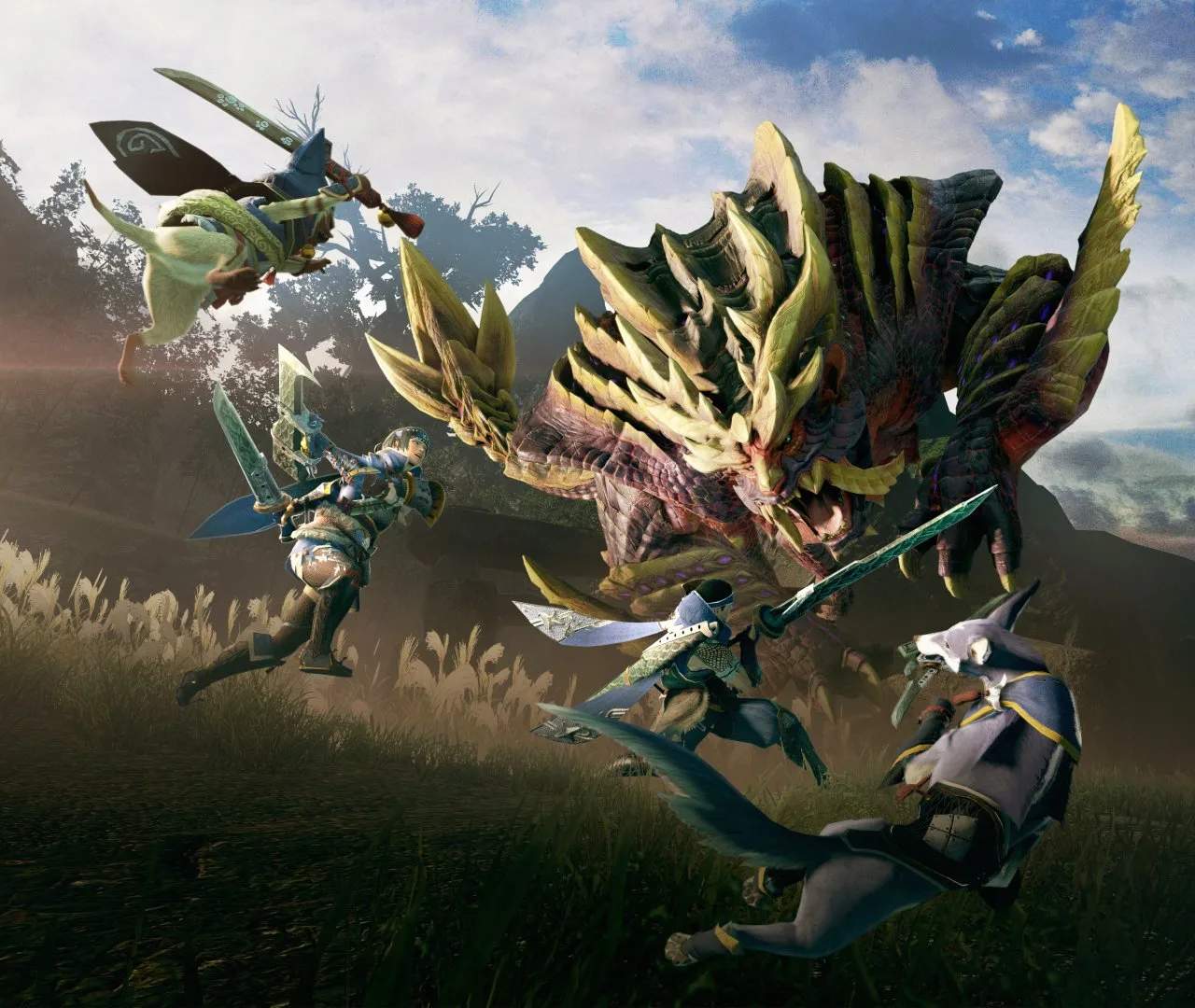
Resource Gathering is the lifeblood of Monster Hunter Rise, forming the essential loop that fuels your progression. From mining ore and collecting plants to carving monster parts, mastering efficient gathering techniques is paramount to crafting better weapons, armor, and vital consumables.
Types of Gathering Nodes
The game's diverse locales are dotted with various gathering points, each yielding specific types of resources:
- Mining Outcrops: These appear as rocky formations. They can yield Iron Ore, Machalite, Blue Crystal, and eventually rarer ores like Adamantite and Dragonite. Higher-tier outcrops often glow.
- Bonepiles: Similar to mining outcrops but yielding bone fragments. Common early on, they provide materials like Pale Bone and Monster Bone.
- Herb Gathering Spots: These patches of flora provide essential herbs like Herbal Medicine, which is crucial for crafting Potions. You might also find Bitterbugs and other useful plants.
- Mushrooms: Found in damp or forested areas, these yield items like Blue Mushrooms and Exciteshrooms.
- Insect Nests: These yield insects like Thunderbugs (for Shock Traps) and Blastnuts (for Flash Bombs).
- Honey: A vital ingredient for healing items, often found in specific locations or dropped by certain small monsters.
- Plants and Flowers: Various other plants provide ingredients for consumables or specific crafting recipes.
- Water Sources: Some areas have fishing spots or areas where you can collect water-based items.
Gathering Techniques
To gather efficiently:
- Observe Your Surroundings: Learn the common spawn locations for each resource type in every locale.
- Use Your Wirebug: Wirebugs allow for quick traversal to gathering nodes, saving time.
- Buddy Support: Palicoes, especially the Gatherer type, can automatically collect resources or even steal items from monsters.
- Endemic Life: Some endemic life creatures can be captured and equipped to provide buffs that increase gathering speed or yield.
- Quest Objectives: Some quests specifically require gathering, providing a focused opportunity to farm materials.
Monster Carving and Breaking Parts
The most crucial materials come from the monsters themselves. After defeating a monster, you can carve its body for materials. Additionally, breaking specific monster parts during a hunt (e.g., a Rathalos's head or tail) significantly increases your chances of obtaining rare materials related to that part.
- Carving: You get a limited number of carves from a defeated monster's body.
- Part Breaks: Hitting specific monster parts repeatedly can break them, yielding extra rewards. Severing tails also grants an extra carve.
- Capture: Capturing a monster using traps and Tranq Bombs often yields more rewards than slaying it, especially for rarer materials.
Item Loadouts and Auto-Crafting
To streamline your gathering and crafting process:
- Item Loadouts: Save your preferred item sets for gathering (e.g., pickaxes, bug nets, traps, healing items) to quickly refill your inventory before a quest.
- Auto-Crafting: Set your game to automatically craft essential consumables like Potions and Mega Potions when you have the materials and are running low.
Locale-Specific Resources
Each locale has unique resources. For example, the Lava Caverns (Sunbreak) will have heat-resistant ores and plants not found elsewhere. Learning these regional specialties is key to crafting specific gear.
Endgame Gathering
In the endgame, particularly with Anomaly Investigations, you'll be farming specific monsters repeatedly. Developing efficient routes for gathering materials from these monsters, combined with optimal carving and capturing strategies, becomes essential for acquiring the materials needed for powerful endgame gear.