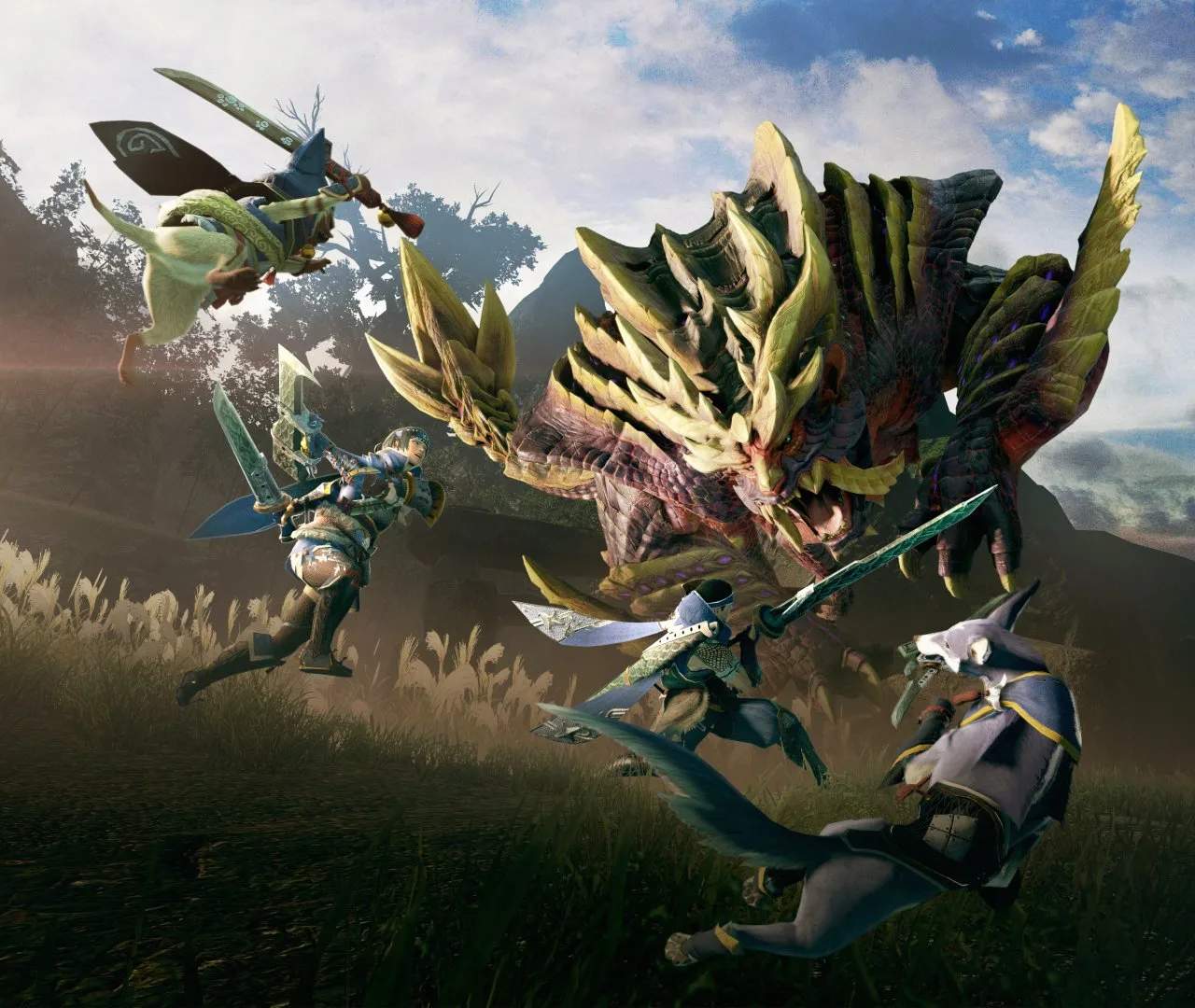
Beyond the colossal beasts that dominate the hunt, Monster Hunter Rise teems with a vibrant ecosystem of Small Monsters and Wildlife. These creatures, while not primary targets, play a crucial role in the environment, offer valuable resources, and can even influence your hunts. Understanding them is key to becoming a truly observant hunter.
The Ecosystem of Rise
Each locale in Monster Hunter Rise is a living, breathing environment populated by several creatures. Small monsters act as the 'fodder' of the ecosystem, often serving as prey for larger monsters or competing for resources. Wildlife, such as birds, fish, and insects, adds to the immersion and can sometimes be interacted with.
Common Small Monsters and Their Uses
These creatures are often encountered in packs and can pose a minor threat, especially when you're distracted by a larger foe. However, they are also valuable sources of materials.
- Altaroth: Small insectoids found in most locales. Carving them can yield Altaroth parts, useful for crafting certain items and armor.
- Barnos: Flying insectoids that often swarm. Their parts can be used in crafting.
- Jagras (various types): Pack hunters that can be aggressive. Jagras parts are common early-game crafting materials.
- Kestodon: Small, herbivorous dinosaurs. Their parts are useful for basic armor and items.
- Ludroth (various types): Amphibious monsters that often appear in waterlogged areas. Ludroth scales and other parts are common.
- Remobra: Small flying serpents. Their parts can be used for crafting.
- Vespoid: Flying insectoids that can inflict paralysis. Vespoid chitin is a crafting component.
Interacting with Small Monsters
While you can hunt small monsters for their parts, they can also be a nuisance. Some can inflict status effects like poison or paralysis. Others might alert larger monsters to your presence. Learning to quickly dispatch them or avoid their attention is a useful skill.
Environmental Interactions
Many small monsters and wildlife have unique behaviors:
- Gathering Nodes: Some small monsters might be found near mining outcrops or herb gathering spots.
- Buddy Support: Palicoes can often gather materials from small monsters or even use specific skills to interact with them.
- Environmental Traps: Certain small monsters might trigger environmental hazards or be susceptible to them.
Special Wildlife and Collectibles
Beyond the common small monsters, Monster Hunter Rise features unique wildlife and collectibles that add depth to exploration:
- Endemic Life: These are special creatures that can be captured using the Wirebug and nets. They offer various buffs when equipped, such as increased attack power, defense, or stamina regeneration. Examples include the Wirengthener, Tremorresister, and Paralysis Beetle.
- Butterflies and Birds: These add to the atmosphere and can sometimes be interacted with for minor rewards or buffs.
- Fish: Found in water bodies, fish can be caught and used in crafting or for specific quests.
Strategic Considerations
While focusing on the main target monster, don't underestimate the impact of small monsters. A swarm of Jagras or a paralyzing Vespoid can easily lead to you taking a devastating blow from the larger beast. Prioritize clearing nearby threats if they become problematic.
Furthermore, some small monsters can be used to your advantage. For instance, luring a large monster into a pack of Kestodons might distract it momentarily, giving you an opening.