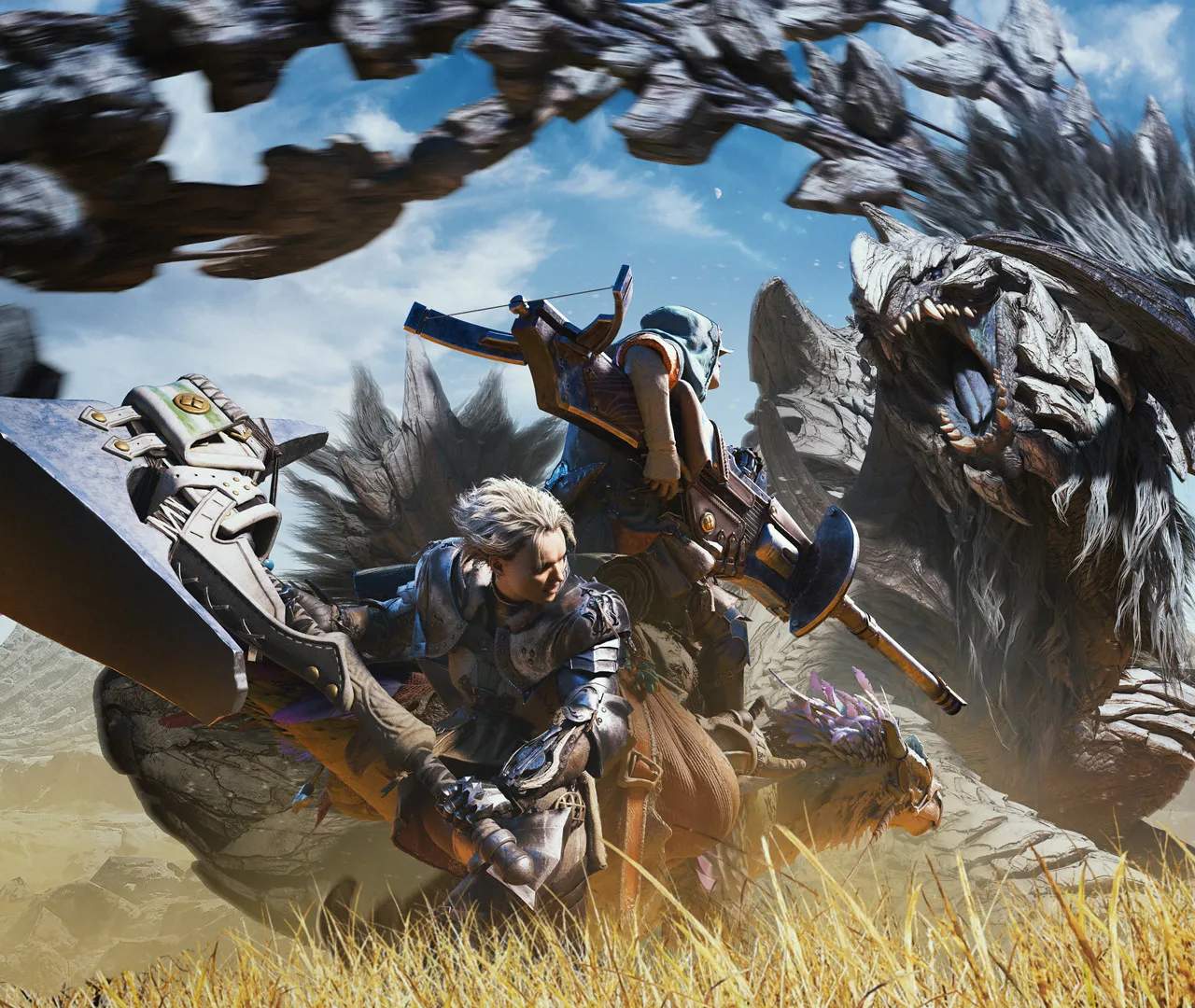
Understand the intricate Monster Ecology and Behavior in Monster Hunter Wilds to gain a tactical advantage. Learning how monsters interact with their environment, their daily routines, and their social dynamics is crucial for successful tracking, hunting, and survival.
Ecological Niches
Each monster occupies a specific ecological niche within the diverse biomes of Monster Hunter Wilds. Understanding their preferred habitats, such as forests, deserts, or volcanic regions, helps in predicting their locations and encounter probabilities.
Diurnal and Nocturnal Cycles
Many monsters exhibit distinct behaviors based on the time of day. Some are more active hunters at dawn or dusk, while others are primarily nocturnal or diurnal. Observing these cycles can aid in planning hunts and avoiding unwanted encounters.
Territoriality and Aggression
Monsters are often territorial and will defend their domain aggressively. Recognizing territorial markers, such as scent markings or damaged flora, can alert you to their presence and potential danger. Understanding what triggers their aggression—whether it's proximity, perceived threats, or hunger—is key to managing encounters.
Predator-Prey Relationships
The ecosystem is a complex web of predator-prey relationships. Observing which creatures hunt others can provide valuable insights. For instance, a monster might be found near its prey, or conversely, might be actively avoiding a larger predator.
Social Structures
Some monsters exhibit social behaviors, forming packs, herds, or mating pairs. Hunting a monster within a group can be more challenging due to coordinated attacks or defensive formations. Conversely, understanding their social dynamics might offer opportunities for luring or isolating individuals.
Environmental Interactions
Monsters often utilize their environment to their advantage. They might camouflage themselves, use terrain for cover, or trigger environmental hazards like rockfalls or poisonous gas vents. Learning these interactions allows you to anticipate their tactics and even turn the environment against them.
Reproduction and Life Cycles
While not always directly observable, understanding a monster's life cycle, including mating seasons or nesting habits, can influence their behavior and location. For example, monsters might be more protective or aggressive during certain periods.