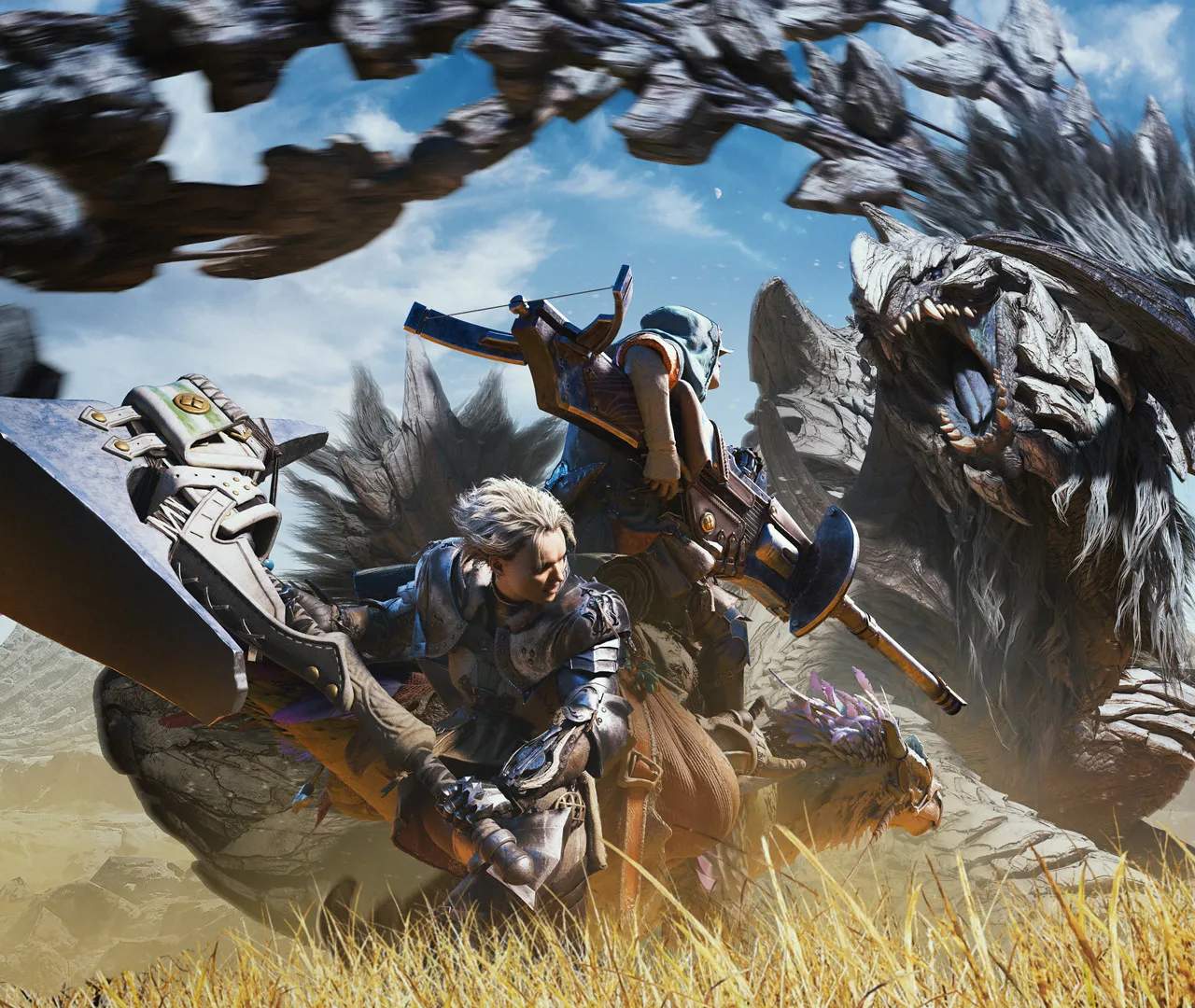
Large Monsters
The heart of Monster Hunter Wilds lies in its colossal and dangerous large monsters, the primary targets for hunters. Each monster possesses unique anatomies, attack patterns, elemental affinities, and behaviors that players must learn to overcome. From swift predators to lumbering behemoths, these creatures offer diverse and challenging combat encounters.
These magnificent beasts are the apex predators of their respective environments. Their sheer power, size, and intricate attack sequences demand respect and strategic planning. Hunters must study their prey, identifying weak points, understanding their rage modes, and learning to anticipate their devastating moves. Breaking specific monster parts can not only yield valuable materials but also cripple the monster's offensive capabilities, making the fight more manageable.
Key elements of hunting large monsters:
- Unique Attack Patterns: Each monster has a distinct set of attacks, often with tells that sal their execution.
- Elemental Weaknesses: Monsters are often vulnerable to specific elements (fire, water, thunder, ice, dragon). Exploiting these is crucial.
- Breakable Parts: Targeting specific body parts like heads, tails, or wings can yield extra materials and sometimes disable attacks.
- Rage Modes: Monsters often enter a heightened state of aggression, increasing their speed and power, requiring careful evasion.
- Environmental Interaction: Monsters can utilize their surroundings, and hunters can use the environment to their advantage.
For example, the Xu Wu, a cephalopod predator, can harden mucus from its tentacles into sharp projectiles and has a powerful bite. Hunters can interrupt its mouth attack by striking it when it opens, causing it to topple. Understanding these specific mechanics, like the Xu Wu's sensitivity to being interrupted during its most powerful attacks, is key to a successful hunt. Mastering the art of the hunt against these formidable creatures is the ultimate test of a hunter's skill.