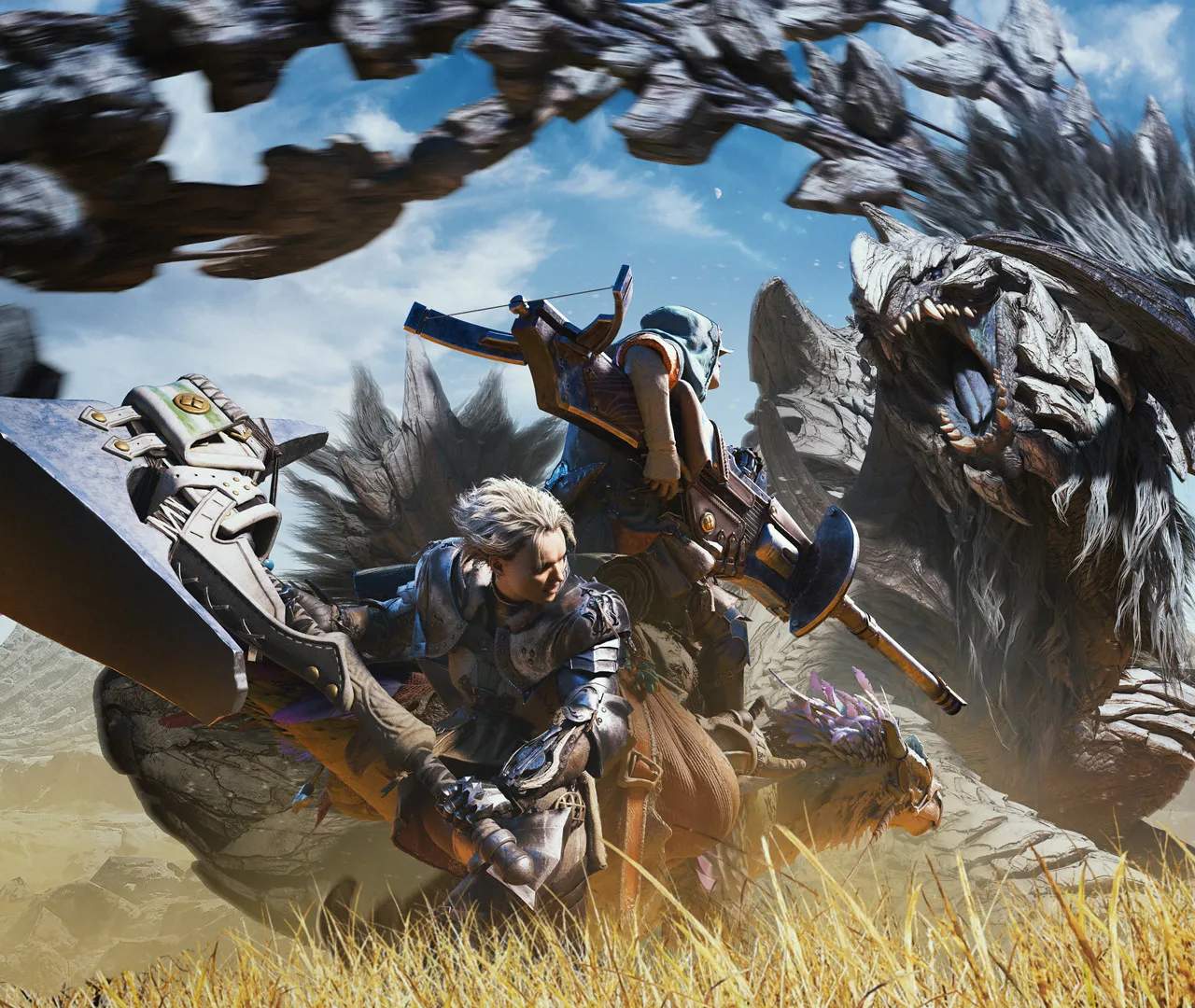
Monster Behaviors & Ecology
Understanding monster behaviors and their ecological roles is crucial for successful hunts in Monster Hunter Wilds. Each creature possesses unique attack patterns, territorial habits, and interactions with their environment. Learning these nuances allows for strategic engagement, exploitation of weaknesses, and prediction of their next moves.
The world of Monster Hunter Wilds is populated by a diverse array of magnificent and terrifying monsters, each with its own distinct behaviors and ecological niche. To become a truly master hunter, you must dedicate time to observing and understanding these creatures. Their actions in the wild are not random; they are driven by instinct, hunger, and territoriality. For instance, some monsters are nocturnal, becoming more active and aggressive under the cover of darkness, while others prefer the heat of the day. Recognizing these patterns can help you plan your hunts more effectively, choosing the optimal time to engage.
Furthermore, each monster has a unique set of attack patterns, tells, and weaknesses. Learning to read a monster's body language—the way it shifts its weight, the twitch of its tail, or the glint in its eye—can provide vital clues about its next move. Some monsters might have elemental weaknesses, making them particularly vulnerable to fire, water, thunder, ice, or dragon element attacks. Others might have specific body parts that, when targeted and broken, can hinder their attacks or yield valuable crafting materials. Pay attention to how monsters interact with their environment; some might use the terrain to their advantage, while others might be susceptible to environmental hazards. Studying their feeding habits, mating rituals, and migratory patterns can also offer insights that can be exploited during a hunt. This deep understanding of monster ecology is what separates a novice hunter from a seasoned professional.
| Monster Trait | Description | Hunting Implication |
|---|---|---|
| Diurnal/Nocturnal Activity | Activity patterns based on time of day. | Plan hunts for optimal engagement times. |
| Attack Patterns & Tells | Predictable sequences of attacks and visual cues. | Dodge effectively, identify openings for counter-attacks. |
| Elemental Weaknesses | Vulnerability to specific elemental damage types. | Equip appropriate weapons and armor for increased damage. |
| Breakable Parts | Specific body parts that can be damaged and broken. | Hinder monster's attacks, obtain rare materials. |
| Environmental Interaction | Use of terrain or hazards in combat. | Exploit environmental traps or avoid hazardous areas. |