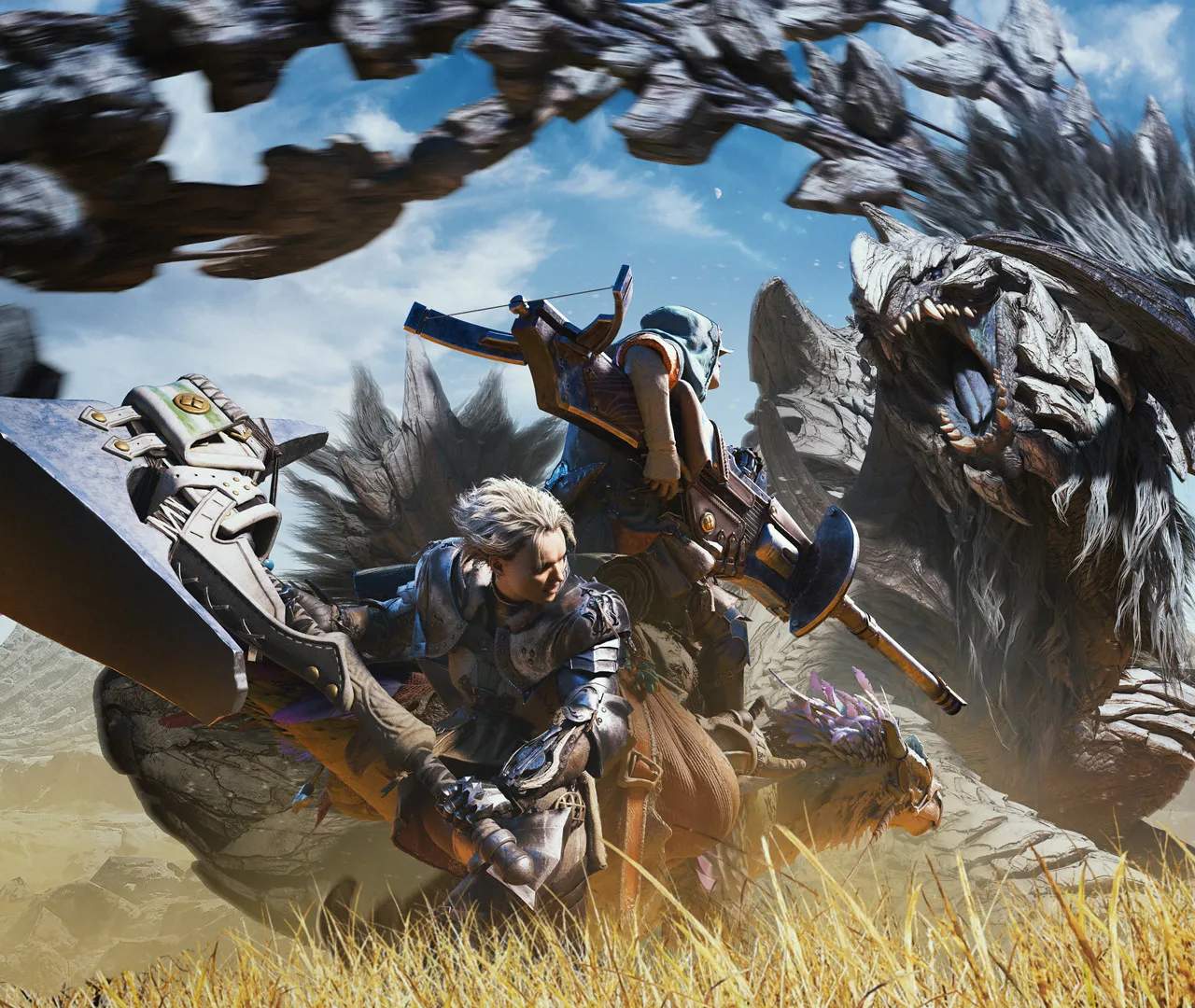
Key Quests & Urgent Quests
In Monster Hunter Wilds, your journey through the treacherous Seeker's Paradise and beyond is primarily guided by two critical quest types: Key Quests and Urgent Quests. Understanding their function and how to approach them is paramount to progressing through the game's narrative and unlocking higher-tier challenges.
Key Quests: Unlocking Your Path
Key Quests are the backbone of your hunter's progression. Completing a set number of these quests within each Hunter Rank (HR) or story chapter is essential to advance. Think of them as the main story missions that gradually introduce you to new monsters, environments, and game mechanics. Failing to complete the required Key Quests will prevent you from accessing the next tier of challenges, including the all-important Urgent Quests.
Identifying Key Quests
- Quest Board Icon: Key Quests are typically marked with a distinctive icon on the Quest Board, often a golden or special symbol next to the quest name. Always prioritize these when you're looking to progress.
- NPC Dialogue: Pay close attention to dialogue from important NPCs in the Base Camp or various outposts. They will often hint at or directly assign Key Quests that are crucial for the story.
- Hunter's Notes: Your in-game Hunter's Notes or Quest Log will clearly categorize Key Quests, making it easy to track your progress and see which ones you still need to complete.
General Strategy for Key Quests
- Preparation is Key: Before embarking on any Key Quest, especially those involving new monsters, ensure you have the best possible gear for your current Hunter Rank. This includes upgrading your weapon, crafting armor with useful skills, and stocking up on essential items.
- Scout the Environment: Many Key Quests introduce new areas. Take a moment to explore, gather resources like Herbs for Potions, and identify endemic life that can aid you in battle.
- Monster Research: If facing a new monster, consult your Hunter's Notes for information on its weaknesses (elemental and status), breakable parts, and common attack patterns. This intelligence is invaluable.
- Item Loadout: Always bring a balanced item loadout. Recommended items include:
- Mega Potions: For significant health recovery.
- Whetstones: To maintain weapon sharpness.
- Flash Bombs / Sonic Bombs: Effective against certain flying or burrowing monsters.
- Traps (Pitfall/Shock): For capturing monsters or creating openings for damage.
- Tranq Bombs: Essential for capturing monsters once they are sufficiently weakened.
- Deodorant: For specific monster blights.
- Utilize Environmental Hazards: Monster Hunter Wilds environments are dynamic. Look for opportunities to use falling rocks, vine traps, or other environmental elements to your advantage against large monsters.
Urgent Quests: The Gates to Progression
Urgent Quests are special, high-stakes missions that appear once you've completed all the necessary Key Quests for your current Hunter Rank. These quests often involve formidable monsters, sometimes elder dragons or unique variants, and serve as a "final exam" to prove your capabilities before advancing to the next tier of challenges. Successfully completing an Urgent Quest will increase your Hunter Rank and unlock new Key Quests, crafting options, and areas.
Characteristics of Urgent Quests
- Mandatory for Progression: You cannot advance your Hunter Rank without completing the current Urgent Quest.
- Challenging Encounters: Expect these monsters to be tougher, hit harder, and have more complex attack patterns than those encountered in standard Key Quests.
- Limited Availability: Unlike Key Quests which remain available, an Urgent Quest only appears once its prerequisites are met and must be completed to move forward.
- Multiplayer Recommended: While many Urgent Quests can be soloed, they are often designed with multiplayer in mind. Teaming up with other hunters can significantly ease the difficulty.
Strategies for Tackling Urgent Quests
- Gear Optimization: This is where your best gear truly shines. Ensure your weapon is fully upgraded, and your armor set provides optimal defense and beneficial skills. Consider crafting specific elemental resistance armor if the Urgent Quest monster has a strong elemental affinity. For example, if facing a fire-breathing monster, prioritize armor with high Fire Resistance.
- Study the Monster: If the Urgent Quest introduces a new monster, take time to review its entry in your Hunter's Notes. Pay close attention to its weak points, elemental weaknesses, and any unique status effects it can inflict.
- Practice Makes Perfect: If you're struggling, don't be afraid to run a few optional quests against similar-tier monsters to hone your combat skills and test different weapon combinations.
- Palico/Palamute Setup: Ensure your Felyne Palico or Canyne Palamute is equipped with the best support gadgets and gear. A well-equipped companion can provide crucial healing, distractions, or even extra damage.
- Communicate in Multiplayer: If hunting with a team, clear communication is vital. Coordinate attacks, call out monster tells, and revive fallen teammates promptly.
- Don't Rush: Urgent Quests are often endurance tests. Prioritize survival over aggressive damage. Learn the monster's attack patterns, dodge effectively, and only commit to attacks when safe.
By diligently completing Key Quests and strategically preparing for the challenges of Urgent Quests, you will steadily climb the ranks in Monster Hunter Wilds, becoming a legendary hunter capable of facing any beast the Wilds throws your way.