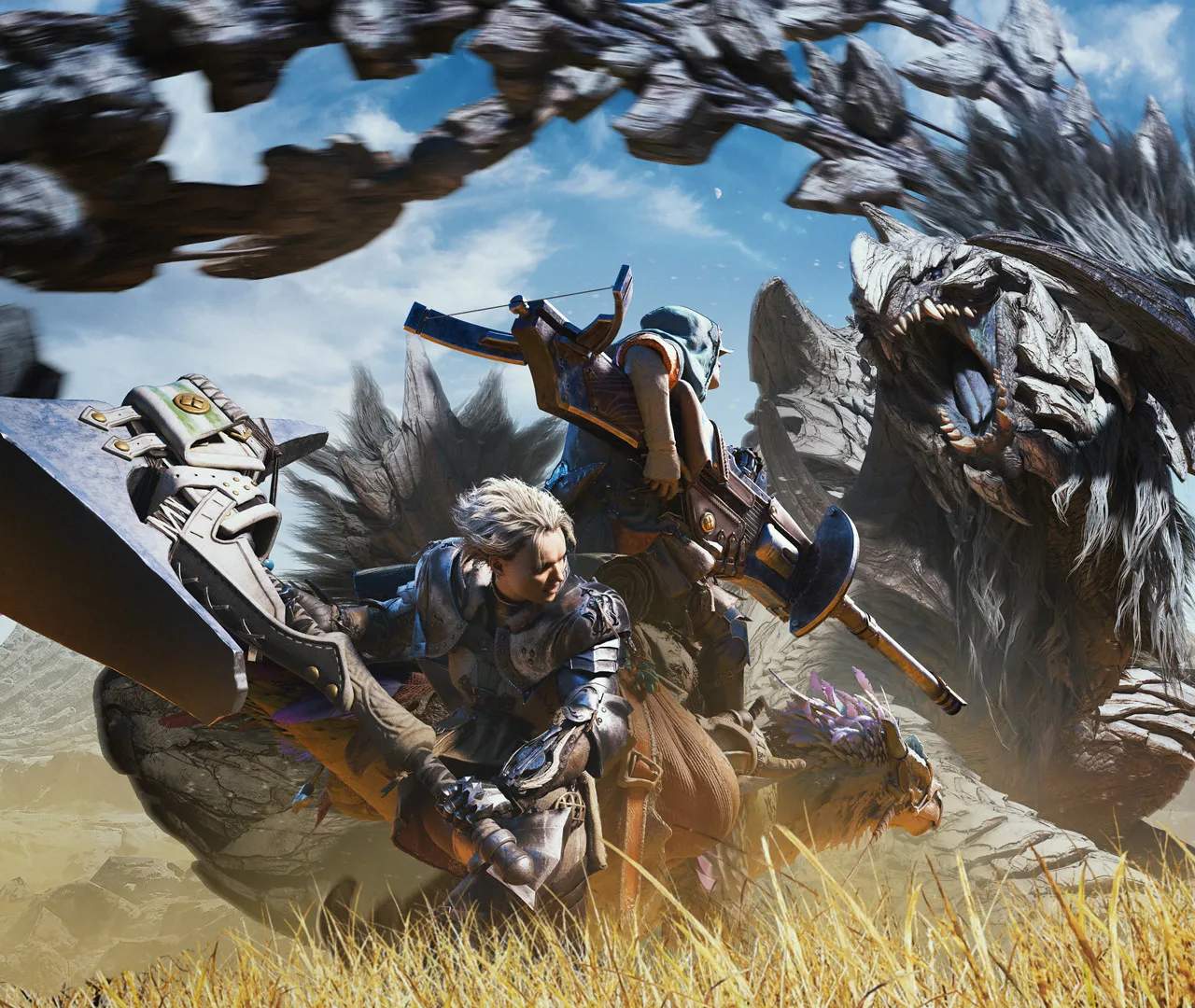
Weapons: Forging & Upgrades
In Monster Hunter Wilds, your weapon is your most crucial tool, and mastering its forging and upgrade systems is paramount to success in the perilous wilds. The Smithy, located within the main hub, is your go-to destination for crafting new armaments and enhancing existing ones. Understanding the intricate weapon trees early on will allow you to plan your progression effectively, ensuring you're always equipped for the challenges ahead.
The Smithy: Your Arsenal's Heart
The Smithy is where all your weapon-related needs are met. Speak with the resident Blacksmith to access the following options:
- Forge New Weapon: Craft a brand-new weapon from scratch. This typically requires a foundational set of materials, often including basic ore, bone, and early-game monster parts.
- Upgrade Existing Weapon: Enhance a weapon you already own. This is the primary method of increasing your weapon's power and often involves branching paths.
- Revert Upgrade: (Potentially available later in the game or for specific weapon types) Allows you to undo an upgrade, often recovering some or all of the materials used. This can be useful for experimenting with different upgrade paths without permanent commitment.
Crafting Materials: The Lifeblood of Your Gear
Forging and upgrading weapons demands a diverse array of materials, each playing a vital role in determining the final product's strength and properties. These materials are primarily acquired through hunting monsters, gathering in the environment, and completing quests.
- Monster Parts: The most common and critical components. These include:
- Common Carves: Scales, hides, claws, fangs – obtained from carving defeated monsters.
- Breakable Parts: Horns, tails, wings – acquired by breaking specific monster body parts during a hunt. These often yield rarer materials.
- Unique Drops: Gems, plates, mantles – exceptionally rare materials with low drop rates, often required for the highest-tier weapons. These are typically associated with specific monsters and can be a significant bottleneck in progression.
- Monster Organs: Guts, glands, sacs – often used for weapons with elemental or status properties.
- Ore: Mined from various nodes found throughout the environment. Different regions will yield different types of ore, from basic Iron Ore to rare Dragonite Ore and beyond.
- Bones: Gathered from bonepiles or sometimes dropped by smaller monsters. Essential for foundational weapon crafts.
- Environmental Gatherables: Herbs, mushrooms, insects – while primarily used for consumables, some rare flora or fauna might be integrated into specific weapon recipes.
Weapon Stats and Properties: Beyond Raw Damage
While raw damage is a fundamental stat, a weapon's effectiveness is determined by a combination of several crucial attributes. Understanding these will help you choose the right weapon for each hunt:
- Raw Damage (Attack Power): The base physical damage dealt by the weapon. Higher numbers generally mean more damage per hit.
- Sharpness: Affects how much damage your weapon deals and its ability to bounce off monster hides.
- Sharpness Levels: Represented by a color gauge (e.g., Red, Orange, Yellow, Green, Blue, White, Purple). Higher sharpness colors provide damage multipliers and reduce weapon bounce.
- Sharpness Loss: Weapons lose sharpness with each hit. Maintaining sharpness with Whetstones is crucial during a hunt.
- Elemental Properties: Many weapons imbue elemental damage (Fire, Water, Thunder, Ice, Dragon). Matching the element to a monster's weakness can significantly increase your damage output.
- Status Effects: Some weapons can inflict debilitating status ailments on monsters:
- Poison: Deals damage over time.
- Paralysis: Temporarily immobilizes the monster, creating openings for attacks.
- Sleep: Puts the monster to sleep, allowing for a powerful wake-up attack.
- Blast: Accumulates an explosive charge that detonates for fixed damage.
- Affinity (Critical Chance): Represents the likelihood of dealing a critical hit, which typically deals 25% more damage. Positive affinity is desirable, while negative affinity means a chance to deal reduced damage.
- Defense Bonus: A rare stat found on some weapons, providing a small boost to your overall defense.
- Slots: Openings on a weapon where Decorations (skill-granting jewels) can be slotted in to customize your build.
The Weapon Tree: Planning Your Progression
Every weapon type in Monster Hunter Wilds features an extensive upgrade tree. This branching diagram illustrates all possible upgrade paths for a given weapon. It's highly recommended to consult these trees at the Smithy to plan your material farming and progression.
Example of a simplified upgrade path:
| Weapon Name | Required Materials | Key Stats | Next Upgrade Options |
|---|---|---|---|
| Iron Sword I | 3x Iron Ore, 2x Small Monster Bone | Raw: 50, Sharpness: Green | Iron Sword II, Bone Blade I |
| Iron Sword II | 5x Iron Ore, 3x Jagras Scale | Raw: 65, Sharpness: Green | Steel Sword I, Flame Sword I |
| Flame Sword I | 3x Iron Ore, 2x Rathalos Scale, 1x Flame Sac | Raw: 60, Fire: 15, Sharpness: Blue | Flame Sword II, Wyvern Blade "Fire" |
Common Pitfalls and Pro Tips
- Material Hoarding: Don't sell rare monster parts unless you absolutely need the zenny. You never know when a specific gem or plate will be required for a high-tier weapon.
- Target Farming: If you're aiming for a specific weapon, identify the key bottleneck materials from its upgrade tree and focus your hunts on monsters that drop them.
- Elemental Matchups: Always try to bring a weapon with an elemental property that a monster is weak to. This can drastically shorten hunt times.
- Status Effect Utility: Don't underestimate status weapons. Paralysis or Sleep can create massive openings for your team, while Poison provides consistent damage.
- Sharpness Management: Always carry Whetstones and sharpen your weapon whenever there's an opening. A dull weapon deals significantly less damage and can bounce, leaving you vulnerable.
- Experimentation: Don't be afraid to try different weapon types and upgrade paths. What works for one monster might not be optimal for another.