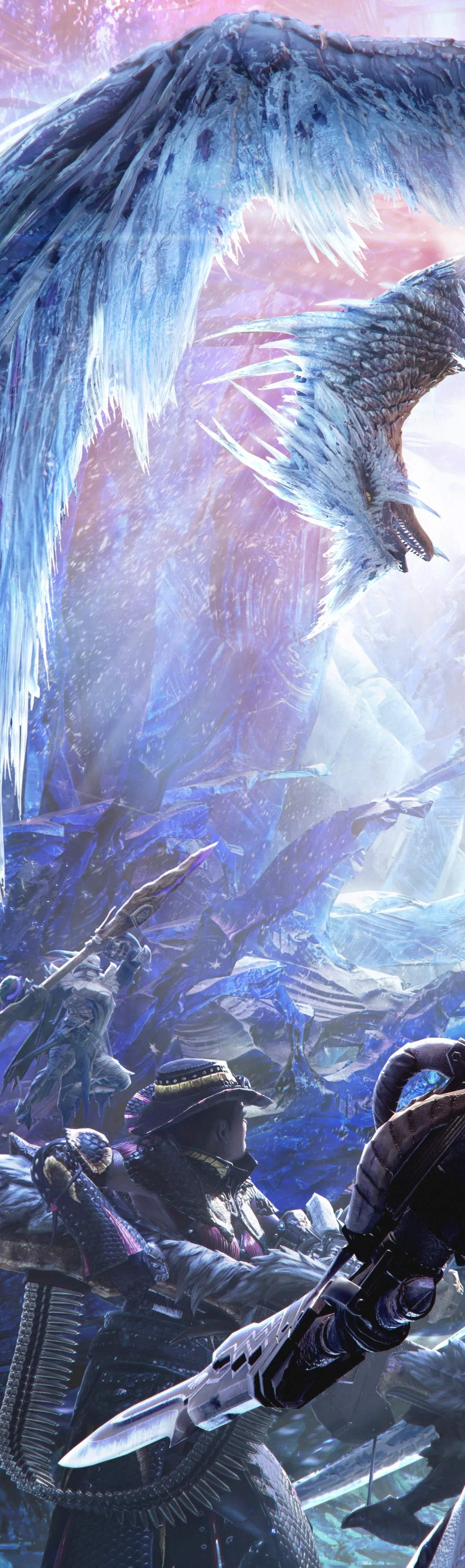
The Heads-Up Display (HUD) in Monster Hunter World: Iceborne provides vital information at a glance, crucial for survival and tactical decision-making. Familiarizing yourself with each element will significantly improve your hunting prowess.
Key HUD Elements:
- Health Bar: Located at the top left, this shows your current health. When it turns red, you are in critical condition and should use a Max Potion or other healing item immediately.
- Stamina Bar: Situated below the health bar, this indicates your stamina. Stamina depletes with actions like sprinting, dodging, and certain weapon attacks. It regenerates over time or by consuming items.
- Weapon Gauge/Special Meter: Varies by weapon type. For example, the Charge Blade has a phial gauge, the Switch Axe has an energy gauge, and the Insect Glaive has an extract gauge. This meter is essential for executing powerful attacks or special abilities.
- Radial Menu: Typically appears on the bottom right or can be brought up with a dedicated button. This allows quick access to items like potions, traps, bombs, and buffs. Holding the radial menu button and moving the analog stick selects items.
- Minimap: Usually in the top right corner, showing your immediate surroundings, monster locations (if tracked), and camp icons.
- Monster Health/Stamina (when targeted): Once a monster is targeted, its health bar appears at the top center of the screen. Some monsters also display a stamina gauge, indicating when they are fatigued.
- Status Effects: Icons appear near your health bar to indicate active status effects like poison, paralysis, sleep, fireblight, waterblight, etc.
- Buffs/Debuffs: Icons for temporary buffs (e.g., from Canteen meals or items) or debuffs will also appear here.
- Quest Objective/Timer: Displays the current quest objective and, if applicable, a timer.
- Damage Numbers: Small numbers appearing when you hit a monster indicate the damage dealt. Critical hits are often highlighted.
HUD Customization: In the game's options menu, you can customize the HUD's transparency, size, and which elements are displayed. You can also toggle specific elements on or off. For instance, some players prefer to hide damage numbers to focus on the monster's animations. Experiment with these settings to create a HUD that best suits your playstyle and minimizes visual clutter during intense hunts.