Solo vs. Multiplayer Hunting Strategies
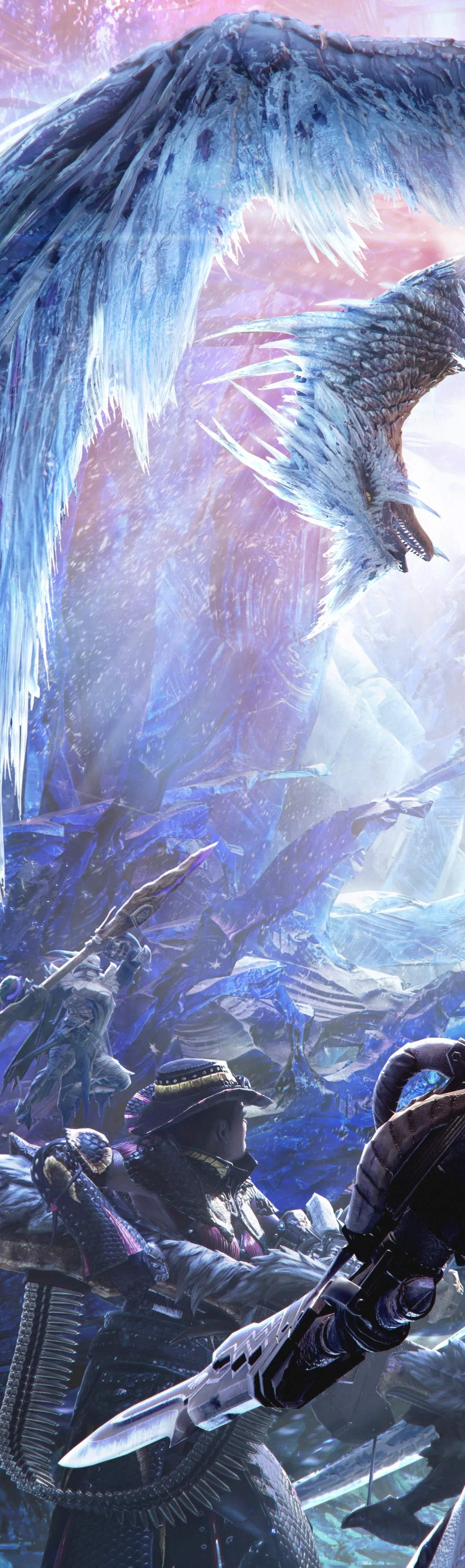
The dynamic of hunting in Monster Hunter World: Iceborne shifts significantly between solo expeditions and multiplayer hunts. While the core mechanics remain the same, the approach to tackling monsters requires adaptation. In solo play, you are solely responsible for managing the monster's aggression, positioning, and your own survival. This allows for a more controlled pace, where you can meticulously learn attack patterns and exploit openings without the added chaos of multiple players drawing aggro.
Multiplayer hunts, on the other hand, introduce a layer of coordination and shared threat. Monsters will often target different players, creating opportunities for others to attack safely. However, this also means monsters can become more unpredictable, switching targets rapidly and utilizing a wider range of attacks. Communication, even through gestures and quick chat, becomes vital. Coordinating attacks, calling out monster movements, and sharing buffs can dramatically increase efficiency. For instance, a player using a Hunting Horn can provide crucial buffs to the entire party, while a Lance user might draw the monster's attention, allowing a Great Sword user to charge a powerful attack.
Certain strategies are more effective in one mode over the other. For example, traps can be more reliably set and utilized in solo hunts where you control the monster's movement. In multiplayer, a poorly placed trap can hinder your teammates. Similarly, status effects like paralysis or sleep can be devastating in solo play, but in multiplayer, the monster might recover before all hunters can capitalize. Conversely, aggressive, high-damage builds that might be risky solo can thrive in multiplayer with the support of other hunters. Understanding your role within a team, whether it's a damage dealer, support, or tank, is essential for success in cooperative hunts.