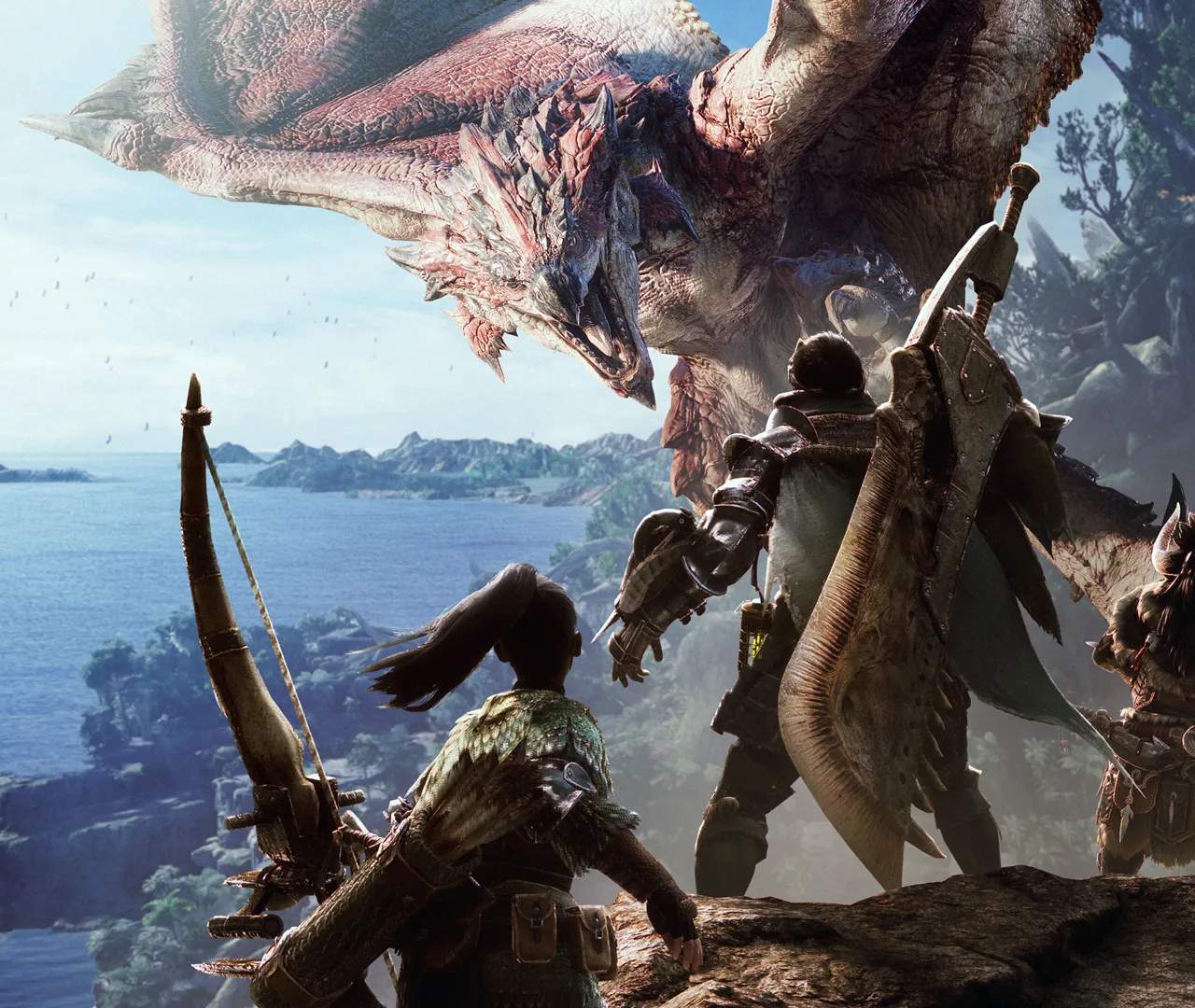
Monster Ecology Basics
Understanding monster ecology is fundamental to becoming a successful hunter in Monster Hunter: World. Each creature has unique behaviors, habitats, attack patterns, and weaknesses. Learning these ecological traits allows you to predict their actions, exploit their vulnerabilities, and ultimately, bring them down more efficiently.
The world of Monster Hunter: World is populated by a diverse array of magnificent beasts, each with its own intricate ecological niche. These monsters aren't just mindless obstacles; they are living, breathing creatures with distinct habits, temperaments, and interactions with their environment. By studying their ecology, you gain a significant advantage in any hunt. This knowledge is gathered through observation, research, and experience.
Key Aspects of Monster Ecology:
- Habitats and Territories: Monsters are tied to specific regions (e.g., Rathalos in the Ancient Forest, Barroth in the Wildspire Waste). They have preferred areas within these regions where they rest, hunt, and sleep. Understanding their territory helps you track them and predict their movements.
- Behavioral Patterns: Monsters exhibit distinct behaviors. Some are aggressive and will attack on sight (e.g., Anjanath), while others are more territorial or will flee when injured (e.g., Kulu-Ya-Ku). Observing their idle animations, how they react to other monsters, and their combat stances provides clues to their intentions.
- Combat Stances and Attacks: Each monster has a unique set of attacks, often tied to their physical characteristics (claws, tails, breath attacks). They also have specific combat stances that indicate their readiness to attack or defend. Learning these patterns allows you to dodge, block, or counter effectively.
- Weaknesses and Resistances: This is perhaps the most critical aspect of ecology for hunting. Monsters have elemental weaknesses (fire, water, thunder, ice, dragon) and status vulnerabilities (poison, paralysis, sleep, blast). They also have specific body parts that are more vulnerable to damage (e.g., a monster's head or tail). Conversely, they have resistances to certain elements or damage types.
- Enraged States: Many monsters enter an 'enraged' state when they take significant damage or are provoked. In this state, their attacks become faster, more powerful, and they may gain new moves. Recognizing the visual cues of an enraged monster is vital for survival.
- Interactions with the Environment: Monsters interact with their surroundings in various ways. Some might use the terrain to their advantage, like a Barroth using mud to coat itself for defense, or a Rathalos using its aerial advantage. Others might trigger environmental hazards.
- Monster Interactions: Monsters can interact with each other. They might fight for territory, prey on smaller monsters, or even flee from larger, more dominant beasts. These interactions can sometimes be exploited to your advantage, for example, luring one monster into the territory of another.
How to Learn Monster Ecology:
- Monster Field Guide: The Hunter's Notes in your menu provides a wealth of information about each monster you've encountered. As you gather research points and break monster parts, this guide will fill out, revealing weaknesses, resistances, and common behaviors.
- Scoutflies: Your Scoutflies are invaluable for tracking monsters and can also lead you to their tracks and other clues, helping you piece together their ecological habits.
- Observation: Spend time observing monsters before engaging them directly. Watch their movements, their attacks, and how they interact with their environment.
- Experimentation: Don't be afraid to try different weapon types, elements, and status effects to see what works best against a particular monster.
By dedicating time to understanding the ecology of the monsters you hunt, you'll not only become a more effective hunter but also gain a deeper appreciation for the intricate world of Monster Hunter: World.