Understanding Weaknesses and Resistances
Mastering monster weaknesses and resistances is paramount to efficient hunting in Monster Hunter: World. Each creature possesses unique vulnerabilities to certain damage types and elemental attacks, while also boasting resistances that can significantly reduce the effectiveness of others. Learning these traits allows you to tailor your equipment and strategies for faster hunts and greater rewards.
Every monster in Monster Hunter: World has a specific set of elemental and status effect weaknesses, as well as resistances. Identifying these is crucial for optimizing your damage output and ensuring a smoother hunting experience. Exploiting a monster's elemental weakness can dramatically increase your damage, while attacking a resistant part can feel like hitting a brick wall. Pay close attention to the Hunter's Notes, which provide valuable information on monster behaviors and vulnerabilities after you've scouted them sufficiently.
Elemental Weaknesses
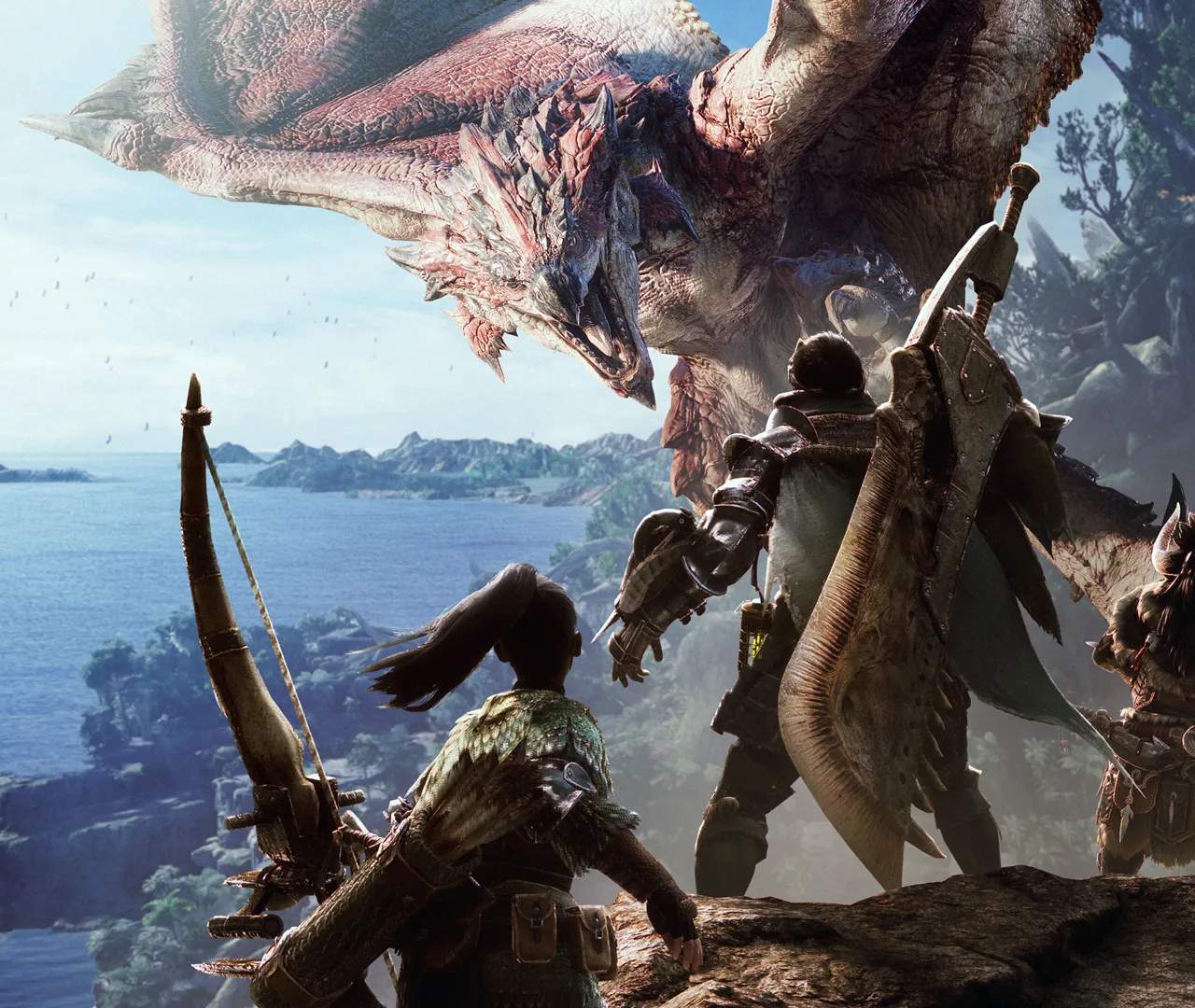
Monsters can be weak to Fire, Water, Thunder, Ice, or Dragon elemental damage. Some monsters have a primary elemental weakness, while others might be equally susceptible to multiple elements. For example, a Rathalos is famously weak to Dragon element, making Dragon-infused weapons a top choice for taking it down efficiently. Conversely, a Glavenus, with its fiery tail, might resist Fire damage but be vulnerable to Water.
Status Effect Vulnerabilities
Beyond elemental damage, monsters can also be susceptible to status effects like Poison, Paralysis, Sleep, Blast, and Stun. These effects can incapacitate monsters, create openings for attacks, or deal damage over time. A monster that is weak to Paralysis can be rendered immobile for a significant duration, allowing you and your team to unleash devastating combos. However, a monster's susceptibility to a status effect can vary, and some monsters are outright immune to certain effects.
Physical Weaknesses and Resistances
Physical damage types (Sever, Blunt, and Shot) also play a role. Different parts of a monster's body will have varying levels of susceptibility to these damage types. For instance, a monster's head is often a weak point for blunt damage (like from a Hammer or Hunting Horn), while its tail might be a weak point for severing damage (from a Great Sword or Long Sword). Some monsters might have armored parts that resist all forms of damage until broken.
How to Discover Weaknesses
- Scouting: Use your Scoutflies to gather tracks and information about monsters. The more you observe a monster, the more detailed its entry in your Hunter's Notes will become.
- Hunter's Notes: After sufficient scouting, the Hunter's Notes will reveal elemental and status effect weaknesses, as well as weak points on the monster's body. Look for icons indicating effectiveness (three red icons for a strong weakness, one red for a mild weakness, and grey for resistance).
- Experimentation: Don't be afraid to try different weapon types and elemental damage. Observing how much damage you're dealing can also be an indicator of a monster's resistances.
Key Takeaways
- Always check your Hunter's Notes for monster weaknesses.
- Tailor your weapon's element and your armor's resistances to the monster you're hunting.
- Different monster parts have different weaknesses to physical damage.
| Damage Type | Description |
|---|---|
| Sever | Cutting damage, used for severing tails and breaking parts. (e.g., Great Sword, Long Sword, Sword & Shield, Dual Blades, Insect Glaive, Charge Blade, Switch Axe, Bow) |
| Blunt | Impact damage, effective for stunning monsters and breaking hard parts. (e.g., Hammer, Hunting Horn) |
| Shot | Projectile damage, effective against flying monsters and distant targets. (e.g., Light Bowgun, Heavy Bowgun, Bow) |