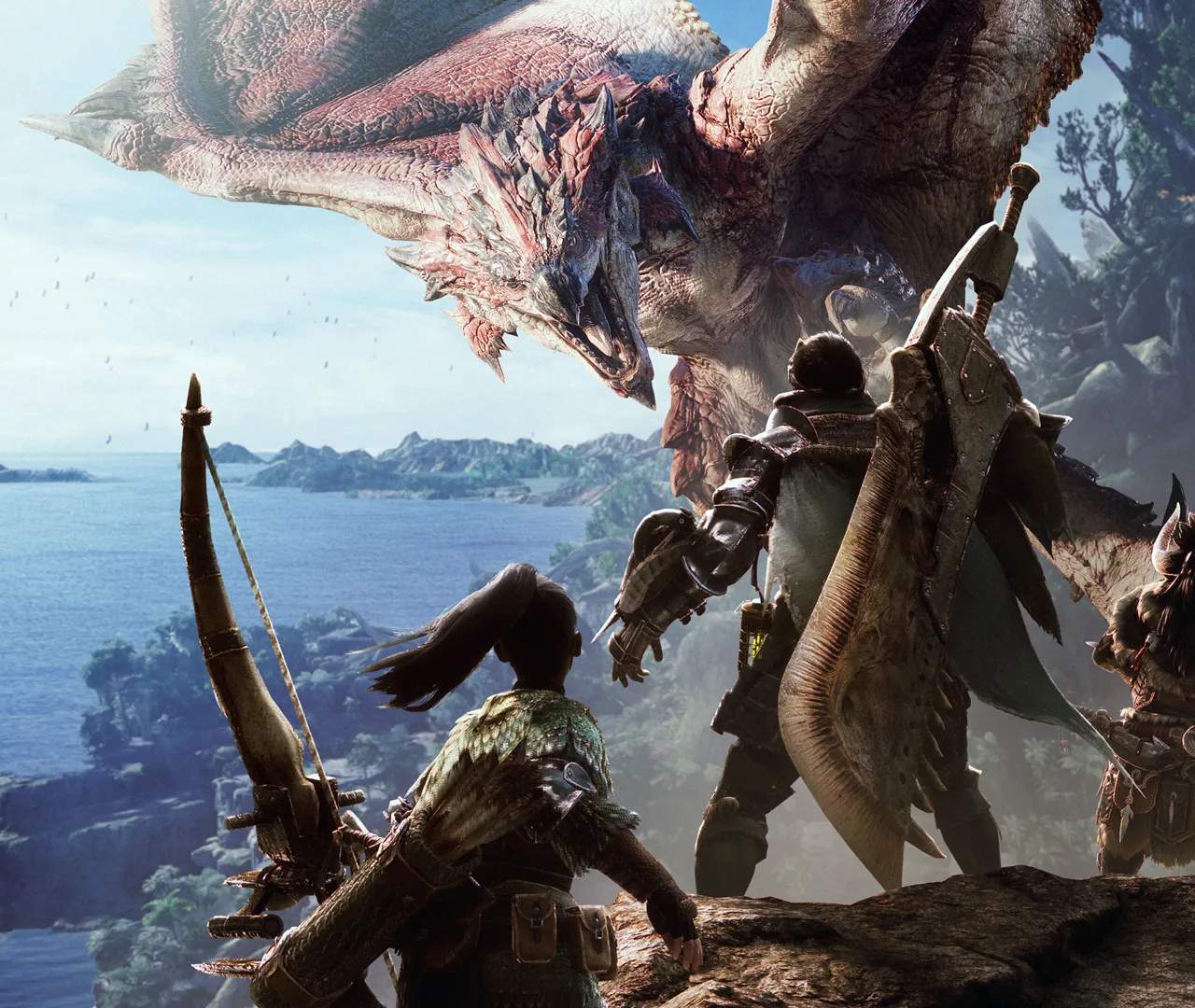
Monster Parts & Carving
Acquiring monster parts is the lifeblood of progression in Monster Hunter: World. These materials are essential for forging and upgrading your weapons and armor, allowing you to take on increasingly formidable foes. There are several methods to obtain these valuable resources, with carving being one of the most fundamental.
Carving Fallen Monsters
Once you've successfully hunted a large monster and it falls, a carving prompt will appear. This is your primary opportunity to gather materials directly from the monster's remains.
- Approach the Carcass: Walk up to the defeated monster. You'll see a prompt, usually "Carve," appear over its body.
- Initiate Carving: Press the interact button (typically Circle on PlayStation, B on Xbox) repeatedly. Each press will initiate a carving animation and yield a random material from the monster's loot table.
- Carving Limits: Most large monsters allow for 3 carvings. Smaller monsters, like Jagras or Kestodon, usually offer 1 carving. Be mindful of the timer; you have a limited window to carve before the monster despawns or the quest ends.
- Rare Carves: Some highly sought-after materials, such as Rathalos Ruby or Nergigante Gem, have a very low chance of appearing from carvings. Persistence is key!
Tail Carving
Many large monsters have severable tails, which offer additional carving opportunities and unique materials.
- Sever the Tail: Focus your attacks on the monster's tail with cutting weapons (Great Swords, Long Swords, Dual Blades, Sword & Shield, Charge Blade, Switch Axe, Insect Glaive). Once enough damage is dealt, the tail will be severed.
- Locate the Tail: The severed tail will lie on the ground as a separate interactable object.
- Carve the Tail: Approach the severed tail and press the interact button. Severed tails typically allow for 1 carving, often yielding materials specific to that part of the monster, like a Rathalos Tail or Diablos Tailcase.
Broken Parts & Dropped Materials
Beyond carving, damaging specific monster parts can yield additional rewards.
- Breaking Parts: Focus attacks on specific monster body parts (e.g., head, wings, legs). When a part breaks, you'll see a visual cue and often receive a notification. Broken parts increase your chances of obtaining specific materials related to that part from quest rewards. For example, breaking a Rathalos's head increases the likelihood of getting a Rathalos Scale+ or Rathalos Plate.
- Dropped Materials: During combat, monsters may occasionally drop materials when taking significant damage, being stunned, or suffering from status effects. These are small, shiny objects on the ground. pick these up by pressing the interact button as they can include valuable items like Monster Bone M or even rare monster parts.
Capturing vs. Carving: The Great Debate
A common question among hunters is whether to carve a monster or capture it. Both methods have their advantages:
- Capturing:
- How to Capture: Weaken the monster until it's limping and retreating to its nest. Lay down a Shock Trap or Pitfall Trap and lure the monster into it. Once trapped, throw two Tranquilizer Bombs at it to capture.
- Advantages: Capturing often yields a higher quantity of certain materials in the quest rewards screen, and can sometimes offer a better chance at specific rare items. It also ends the quest faster, as you don't need to fully deplete the monster's health.
- Disadvantages: You cannot carve the monster's body or its severed tail if you capture it. Some materials are exclusive to carving.
- Carving:
- Advantages: Guarantees 3 carvings from the main body (for large monsters) and 1 from a severed tail. Certain rare materials, like some monster gems or plates, have a higher chance from carving than from capture rewards, or are exclusive to carving.
- Disadvantages: The hunt takes longer as you must fully defeat the monster.
Recommendation: For most general material farming, capturing is often more efficient due to the faster quest completion time and potentially higher overall material yield. However, if you are specifically hunting for a rare item known to drop primarily from carvings (e.g., a specific gem or plate), or if you need tail materials, then carving is the preferred method.