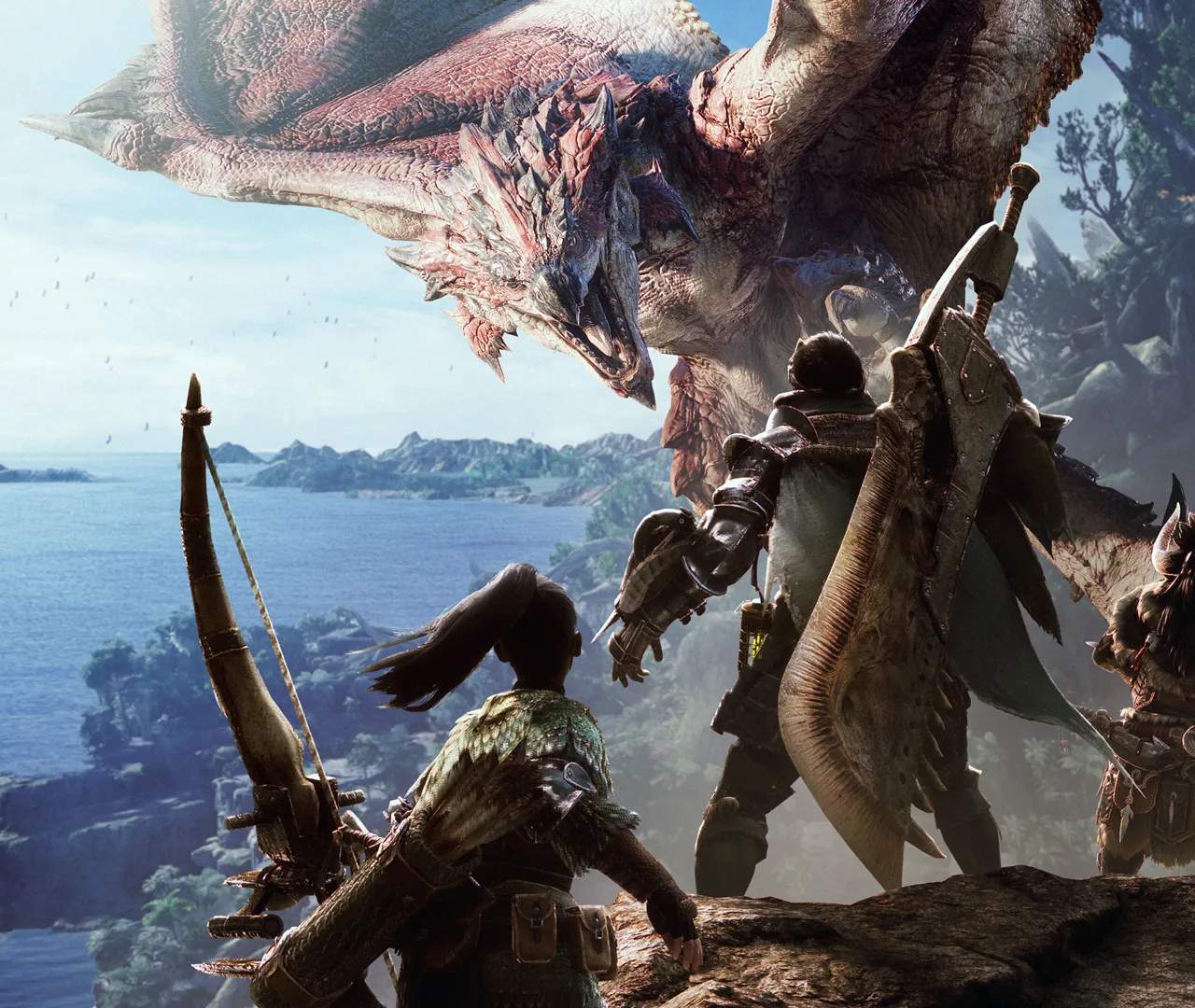
Weapons
In Monster Hunter: World, your weapon is your primary tool for survival and success. The game features a diverse arsenal of weapon types, each offering a unique playstyle, combat approach, and set of skills. Choosing the right weapon for your preferred combat style and the monster you're hunting is paramount to your effectiveness in the field. Mastering a weapon takes time and practice, but the rewards are immense.
Every weapon in Monster Hunter: World has its own strengths and weaknesses. Some excel at dealing raw damage, while others focus on elemental damage, status effects, or defensive capabilities. Understanding these nuances will allow you to make informed decisions about which weapon to wield and how to best utilize its unique mechanics.
Key Aspects of Weapons:
- Damage Types: Weapons deal either Raw Damage (physical damage) or Elemental Damage (Fire, Water, Thunder, Ice, Dragon). Some weapons also inflict Status Ailments like Poison, Paralysis, or Sleep.
- Attack Power: This stat indicates the base damage your weapon will deal. Higher attack power generally means more damage per hit.
- Affinity (Critical Hit Chance): A higher affinity percentage means your attacks have a greater chance of dealing critical damage, which is a significant damage multiplier.
- Elemental/Status Values: For elemental weapons, this indicates the strength of the element. For status weapons, it shows the buildup rate for the ailment.
- Sharpness: This is a crucial mechanic that determines how long your weapon can attack without bouncing off a monster's hide. Weapons have different levels of sharpness (e.g., Red, Orange, Yellow, Green, Blue, White, Purple), with higher levels dealing more damage and preventing bounces. Maintaining sharpness is vital.
- True Raw: This is a more accurate representation of a weapon's raw damage output, taking into account hidden multipliers. It's particularly important for weapons like the Great Sword and Hammer.
- Special Properties: Some weapons have unique properties, such as the Insect Glaive's ability to buff itself with Kinsect extracts, or the Charge Blade's ability to store phials for powerful attacks.
Weapon Tiers and Progression:
As you progress through Monster Hunter: World, you'll encounter different tiers of weapons: Low Rank, High Rank, and Master Rank (Iceborne). Each tier offers increasingly powerful weapons with higher base stats, better sharpness, and more slots for decorations. Crafting and upgrading your weapons is a continuous process throughout the game.
Crafting and Upgrading:
Weapons are crafted and upgraded at the Smithy using monster materials, ores, and Zenny. Each weapon tree has a distinct progression path, often branching out to offer different elemental or status effects. Experimenting with different weapon trees and their upgrades is encouraged to find what suits your playstyle best.
Choosing Your Weapon:
The best weapon for you is subjective and depends on your personal preference. Do you prefer fast, agile attacks? Or slow, devastating blows? Do you enjoy supporting your team with status effects, or do you prefer to be the primary damage dealer? Consider these questions when exploring the vast array of weapons available.
Weapon Categories Overview:
Monster Hunter: World features 14 distinct weapon categories, each with its own unique mechanics and feel:
- Melee Weapons: Great Sword, Long Sword, Sword & Shield, Dual Blades, Hammer, Hunting Horn, Lance, Gunlance, Switch Axe, Charge Blade, Insect Glaive.
- Ranged Weapons: Light Bowgun, Heavy Bowgun, Bow.
Each of these categories will be explored in more detail in subsequent sections. Understanding the fundamental aspects of weapons is the first step towards becoming a formidable hunter.