Character Abilities & Differences
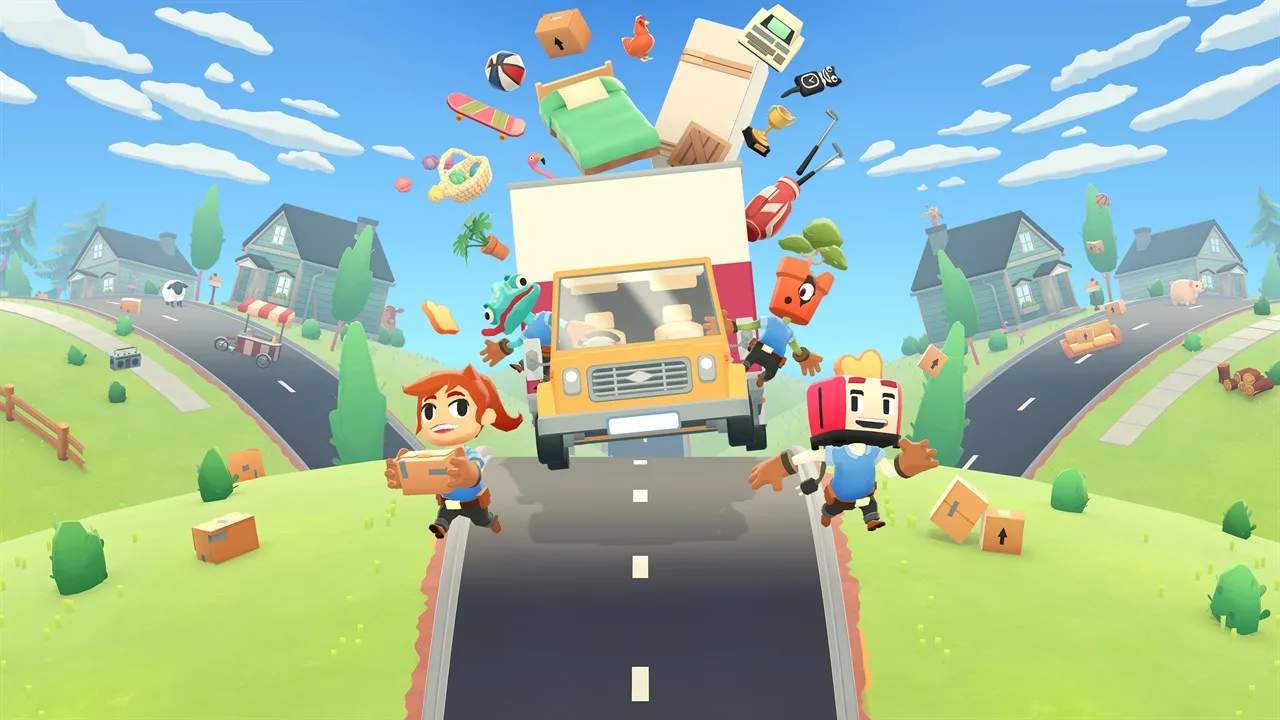
While Moving Out is primarily a physics-based game where the environment and object interactions are key, the characters themselves do not possess distinct, game-altering abilities that differentiate their core mechanics. The source material emphasizes that all characters are Furniture Arrangement and Relocation Technicians (F.A.R.Ts) and the gameplay mechanics, such as slapping, catching, and throwing, are universally available to all playable characters. The "Mandatory Training" section specifically mentions learning these basic mechanics, implying they are fundamental to the experience for any character. Therefore, the differences between characters are largely cosmetic, focusing on their visual des and personality rather than any inherent gameplay advantages or disadvantages. This des choice ensures that the game's challenge and humor stem from the physics and level des, rather than from character-specific skill sets that might create imbalances or require specialized knowledge for each mover.
The game's structure, with 30 levels and 90 objectives, suggests a consistent set of actions required to succeed across the board. The mention of "7 Animal types" as a collectible or thematic element further reinforces the idea that character variety is about aesthetic appeal and thematic representation rather than functional differences. For instance, playing as a ghost or an animal would offer a different visual experience but would still perform the same actions of picking up, carrying, and throwing furniture. The core gameplay loop of getting items to the moving truck within a time limit remains the same for all characters. This approach allows players to focus on mastering the physics and level layouts without needing to worry about character-specific move sets or abilities. The "Do not slap" instruction in the Mandatory Training is a gameplay mechanic related to a specific in-game element (a ghost), not a character ability. Thus, the emphasis is on the shared experience and the chaotic fun derived from the universal mechanics applied to increasingly complex moving scenarios.