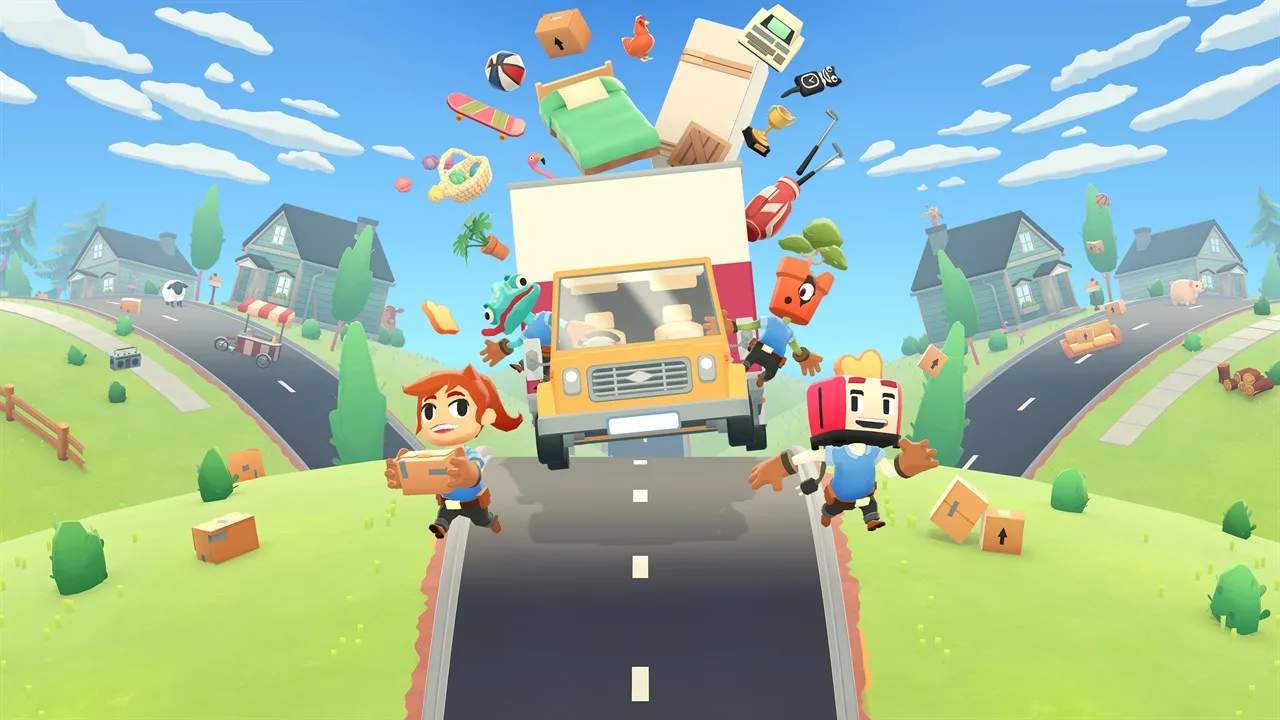
Object Physics & Interactions
The physics engine in Moving Out is a central pillar of its gameplay, dictating how all objects behave and interact within the game world. Furniture and other items possess weight and momentum, meaning that their movement is not always predictable and can lead to chaotic, often hilarious, results. You can directly manipulate objects by picking them up, carrying them, and throwing them. The effectiveness of these actions often depends on the size and weight of the object. For instance, smaller items like lamps or books can be easily tossed, while larger items such as sofas or refrigerators require more effort, often necessitating the cooperation of multiple players to lift and maneuver. The game encourages players to experiment with these physics, as sometimes the most efficient way to move an item might involve a well-aimed throw through a window or down a flight of stairs.
Environmental interactions are also key to navigating the levels. Players may need to break certain objects to make them easier to transport. For example, a large bed might need to be dismantled before it can be carried out. The game also features various obstacles and hazards that players must contend with. These can range from narrow doorways and tight corners that require careful angling of furniture, to environmental hazards like water or fire that can affect the items being moved. The "Mandatory Training" level, for instance, introduces basic interactions like slapping and catching, but also hints at more complex object behaviors and the presence of unique entities like the ghost. The source material also lists specific collectible items that require interaction, such as 13 toilets and 10 mailboxes, each requiring players to locate and transport them to the truck, often presenting unique physics-based challenges in their retrieval.