Vehicles & Transport
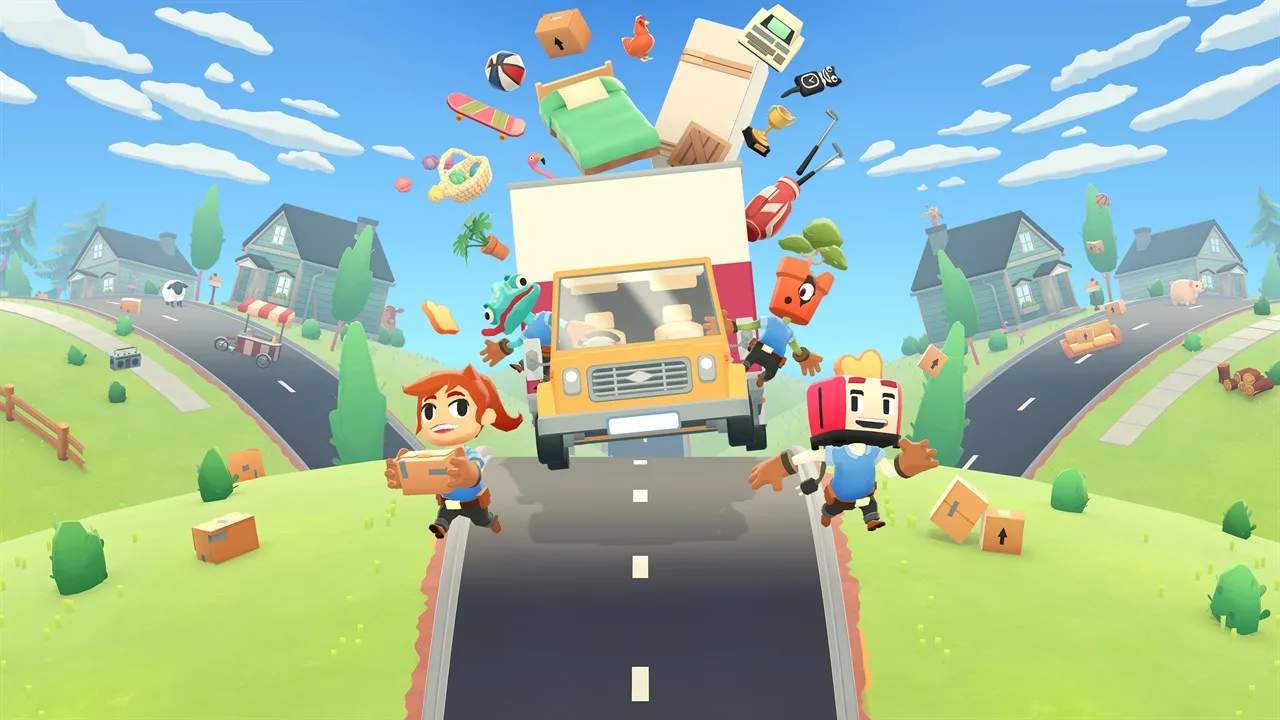
In Moving Out, the primary mode of transport for your moving crew is your own two feet, but the game incorporates various environmental elements and sometimes even vehicles to facilitate the chaotic relocation process. While the source material doesn't explicitly detail a wide array of player-controlled vehicles, it heavily implies the use of the environment for moving items. For instance, throwing items through windows or over obstacles suggests a reliance on trajectory and physics, which can be seen as a form of "transport" for the objects themselves. The core gameplay loop revolves around getting items from a starting point to a moving truck, and the journey between these two points can involve navigating diverse terrains and structures. The game's emphasis on physics means that how an item is moved, whether it's carried, thrown, or pushed, directly impacts its speed and trajectory, akin to how different vehicles have varying speeds and handling characteristics. consider the most efficient way to "transport" each item, factoring in the layout of the level and any potential hazards or shortcuts.
The game's levels are desed with unique environmental challenges that can aid or hinder the transport of furniture. For example, some levels might feature ramps, conveyor belts, or even water bodies that can be used to move items more quickly or in unexpected ways. Understanding how these environmental features interact with the physics engine is crucial for efficient moving. The "moving truck" itself acts as the final destination for all transported items, and its placement or accessibility can also influence the strategy. While not a vehicle in the traditional sense, it's the ultimate goal of all transport operations within a level. The game encourages creative problem-solving, and players might discover unconventional methods of moving items that leverage the game's physics and environmental elements, effectively creating their own unique transport solutions on the fly. The absence of explicit vehicle types doesn't diminish the importance of transport mechanics; rather, it shifts the focus to player ingenuity and environmental interaction.