Using Vehicles & Conveyor Belts
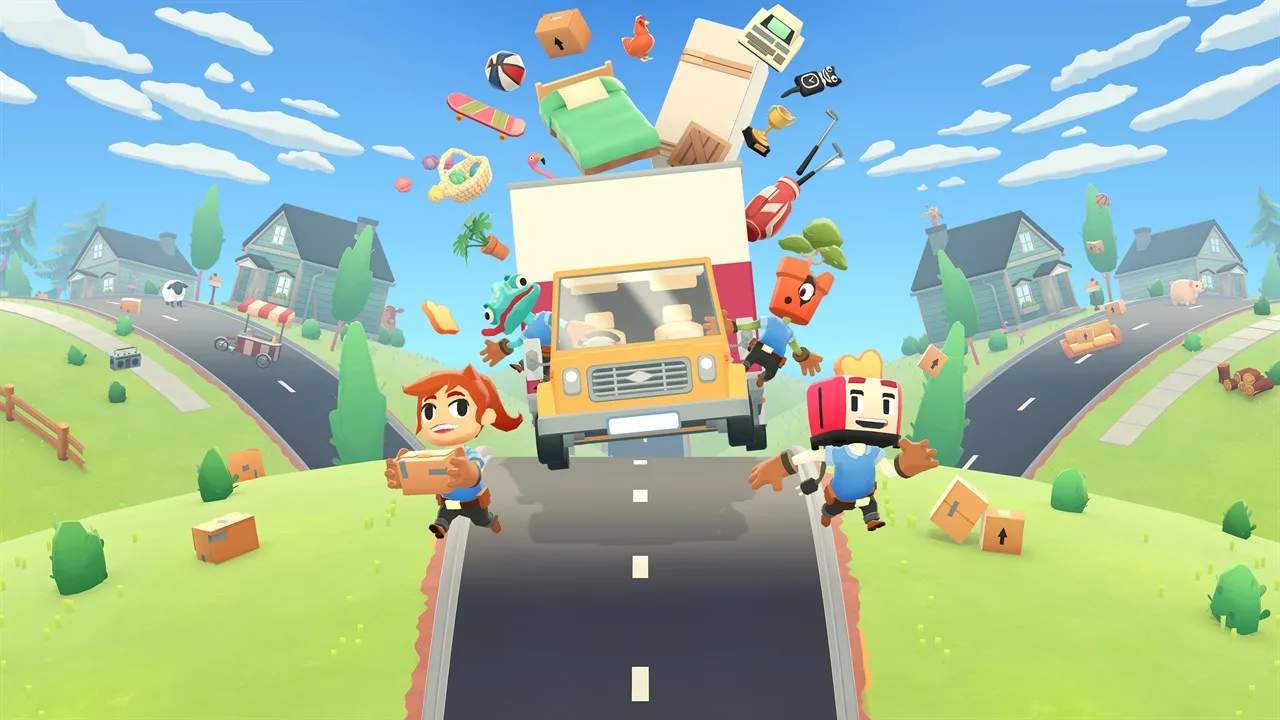
While the provided source material for Moving Out does not explicitly detail the mechanics of using vehicles or conveyor belts, these elements are common in physics-based puzzle and simulation games. In the context of Moving Out, which focuses on the chaotic removal of furniture from various locations, the introduction of vehicles or conveyor belts would likely serve as an additional layer of complexity and strategic challenge. Players might need to load items onto a truck, a moving van, or even a specialized conveyor system to efficiently transport them to the desated drop-off zone. The effectiveness of these tools would depend on their speed, capacity, and how they interact with the game's physics engine. For instance, improperly loaded items on a moving vehicle could fall off, leading to wasted time and potential damage. Similarly, a conveyor belt might require precise timing and placement of objects to avoid jams or items being ejected prematurely. The game's emphasis on teamwork and coordination would be amplified if players had to manage these dynamic elements together, perhaps with one player driving a vehicle while others load it, or coordinating the flow of items onto a conveyor. The challenge would lie in mastering the controls and understanding the optimal usage of these tools to achieve the fastest possible completion times, thereby securing those coveted gold medals.
The core gameplay loop of Moving Out revolves around picking up and throwing furniture, often with a time limit. The introduction of vehicles and conveyor belts would necessitate a shift in strategy. Instead of simply carrying items to the exit, players would need to consider the logistics of loading and unloading. This could involve using ramps, lifts, or even strategically placed obstacles to guide items onto a vehicle or conveyor. The physics engine would play a crucial role, as items might bounce, slide, or tumble depending on the speed and movement of the vehicle or belt. For example, a sharp turn in a moving truck could send loose items flying, requiring players to secure them or brace for impact. Conveyor belts might have varying speeds or intermittent operation, demanding careful timing. The game's inherent silliness would likely be enhanced by these mechanics, with players potentially being flung off vehicles or items going haywire on conveyor systems. Successfully integrating these elements would require players to develop new techniques and adapt their usual strategies, turning simple furniture moving into a more elaborate logistical puzzle.
Without specific details in the source material, it's difficult to provide exact mechanics. However, based on the game's premise, one can infer potential uses. Vehicles, such as the moving truck, would likely act as a mobile drop-off point, requiring players to load items into its cargo area. This could involve a limited capacity, forcing players to prioritize certain items or make multiple trips. Conveyor belts, on the other hand, might be fixed elements within a level, desed to transport items from one area to another, perhaps across gaps or over obstacles. Players would need to learn how to place items onto the belt correctly to ensure they travel to the intended destination without falling off or getting stuck. The challenge would be in understanding the physics of how items interact with these moving elements, and how to best utilize them to save time and complete the objective efficiently. The game's focus on cooperative play would mean that coordinating the use of these tools with teammates would be paramount to success.