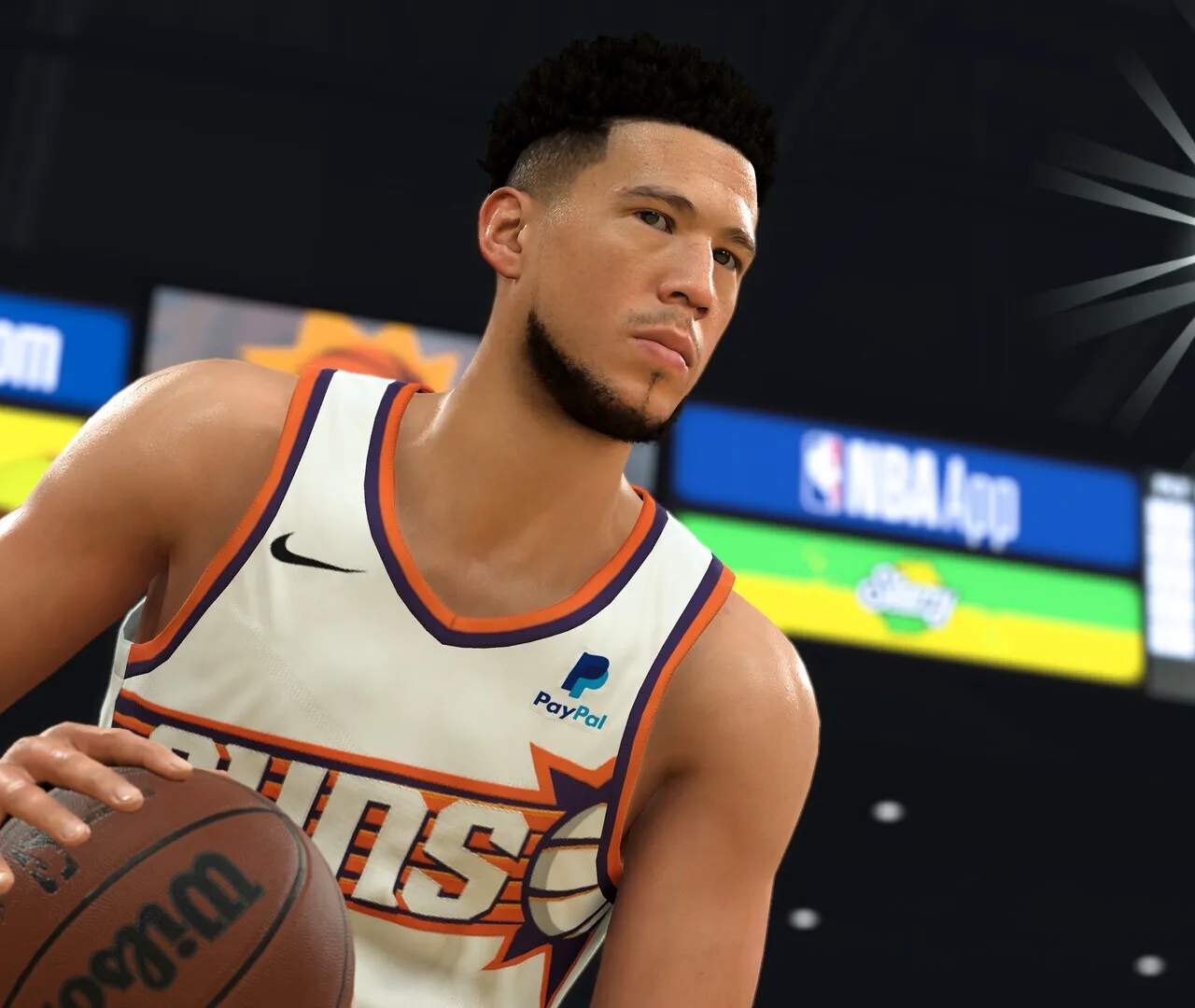
MyNBA/MyLEAGUE Management & Strategy
Welcome to the ultimate guide for dominating MyNBA and MyLEAGUE in NBA 2K24! This section will equip you with the knowledge and strategies to build a dynasty, manage your roster, and navigate the complexities of team ownership. Whether you're aiming for a single championship or a multi-year reign, these detailed steps will put you on the path to success.
Initial Setup & Customization
Before diving into the season, proper setup is crucial. MyNBA and MyLEAGUE offer extensive customization options that can dramatically alter your experience.
League Type Selection
- MyNBA Eras: This mode allows you to start your journey in different historical periods (e.g., The Magic vs. Bird Era, The Jordan Era, The Kobe Era, The Modern Era). Each era comes with its own unique rules, rosters, and historical context. Choose an era that aligns with your preferred playstyle or historical interest.
- MyLEAGUE: For a more traditional, modern-day experience without the historical overlays, select MyLEAGUE. This is ideal for those who want to focus purely on current rosters and future development.
Customization Options (MyLEAGUE/MyNBA Settings)
Upon starting a new save, you'll be presented with numerous settings. Pay close attention to these:
- Salary Cap: Decide if you want a hard cap, soft cap, or no cap. A hard cap makes roster management more challenging, while a soft cap allows for some flexibility with luxury tax.
- Trade Difficulty: Adjust this slider to make trades easier or harder to execute with AI teams. Higher difficulty requires more strategic planning and patience.
- Progressive Fatigue: Enabling this adds a layer of realism, requiring you to manage player minutes and rest throughout the season to prevent injuries and maintain performance.
- Injuries: Toggle on/off. Realistic injuries add unpredictability and challenge, forcing you to develop roster depth.
- Draft Class Quality: Adjust the frequency and quality of generated draft classes. A higher setting means more potential superstars entering the league.
- Morale: Decide if player morale impacts their performance. Keeping your players happy is key to a cohesive team.
- Chemistry: Similar to morale, team chemistry can affect on-court performance.
Roster Construction & Player Development
Building a winning roster is an art form. It requires a keen eye for talent, an understanding of player archetypes, and a long-term vision.
Scouting & Draft Strategy
The NBA Draft is the lifeblood of any successful franchise. Effective scouting is paramount.
- Scouting Menu (Front Office > Scouting): Dedicate your scouts to specific regions or positions. Early in the season, focus on identifying top prospects.
- Combine & Workouts: Pay close attention to player performances in the NBA Combine and private workouts. These can reveal hidden gems or expose weaknesses not apparent in game tape.
- Player Potential (Potential Grade): Don't just look at current OVR ratings. A- or A+ potential players, even with lower initial OVRs, can develop into superstars.
- Draft Day Trades: Be prepared to move up or down in the draft to secure your target player. Use the "Trade Finder" to explore potential deals.
- Drafting for Need vs. Best Available: While it's tempting to fill a roster hole, often drafting the "Best Available" talent, regardless of position, yields better long-term results. You can always trade later.
Player Development & Training
Once you have your players, nurturing their growth is essential.
- Training Menu (Team > Training): Assign individual training regimens to players. Focus on improving weaknesses or enhancing strengths. For young players, prioritize overall skill development. For veterans, focus on maintaining attributes or specific skill boosts.
- Mentorship: Pair young players with veteran mentors. This can significantly boost the mentee's development in specific attributes or badges. Access this through the "Player Card" of the mentee.
- Play Time & Roles: Ensure your young prospects get adequate playing time to develop. Assigning appropriate "Player Roles" (e.g., Starter, 6th Man, Bench Warmer) can influence their morale and development speed.
Financial Management & Contracts
The business side of basketball is as important as the on-court action. Smart financial decisions can keep your team competitive for years.
Contract Negotiations
- Player Morale & Demands: Players with high morale and good performance will demand more money. Keep an eye on their "Happiness" meter on their Player Card.
- Bird Rights: Understand Bird Rights, which allow you to exceed the salary cap to re-sign your own players. This is crucial for retaining star talent.
- Team Options/Player Options: Utilize these contract clauses to maintain flexibility. Team options give you control, while player options can be a risk but sometimes necessary to sign a star.
- Free Agency (Front Office > Free Agency): Approach free agency strategically. Don't overspend on aging veterans. Target players who fit your system and have reasonable contract demands.
Budget & Revenue
- Team Budget (Front Office > Finances): Monitor your team's financial health. Revenue comes from ticket sales, merchandise, and media rights. Expenses include player salaries, staff salaries, and arena upkeep.
- Arena Upgrades (Front Office > Arena): Invest in arena upgrades to increase revenue and fan happiness. Consider amenities like luxury suites, better concessions, and improved seating.
- Sponsorships (Front Office > Sponsorships): Secure lucrative sponsorships to boost your team's income.
In-Season Management & Coaching
The regular season and playoffs demand constant attention to detail and tactical adjustments.
Rotations & Game Plan
- Coach Gameplan (Coach > Gameplan): Customize your offensive and defensive schemes. Tailor them to your roster's strengths. For example, if you have a dominant center, run plays that feed the post. If you have sharpshooters, emphasize three-point plays.
- Player Rotations (Coach > Rotations): Adjust minutes based on player performance, fatigue, and opponent matchups. Don't be afraid to experiment with different lineups.
- Matchup Settings (Coach > Matchup Settings): Assign specific defenders to opponent stars. This can significantly impact game outcomes.
Staff Management
- Staff Roles (Front Office > Staff): Hire and fire coaches, scouts, and trainers. Each staff member has ratings in different areas (e.g., Offensive Coaching, Defensive Coaching, Scouting Efficiency). High-rated staff can boost player development and team performance.
- Coach Badges: Some coaches possess special badges that provide team-wide boosts or specific player development advantages.
Advanced Strategies & Long-Term Planning
To truly build a dynasty, you need to think several seasons ahead.
Asset Management
- Draft Picks: Treat draft picks as valuable assets. Don't trade them away carelessly. Future first-round picks, especially unprotected ones, can be gold.
- Trade Value: Understand how player trade value fluctuates based on age, contract, performance, and potential. Sell high on aging veterans or players who don't fit your long-term plans.
Dynasty Building Principles
- Core Players: Identify 2-3 core players around whom you want to build your franchise. These are typically young, high-potential stars.
- Role Players: Surround your stars with efficient role players who complement their skills. Don't overpay for average talent.
- Team Chemistry: Prioritize players who fit your team's culture and contribute to positive locker room chemistry.
- Adaptability: The NBA is constantly evolving. Be prepared to adapt your strategies, coaching philosophies, and roster construction based on league trends and new talent.
By diligently following these strategies and utilizing the comprehensive tools available in MyNBA and MyLEAGUE, you'll be well on your way to creating a legendary franchise in NBA 2K24.