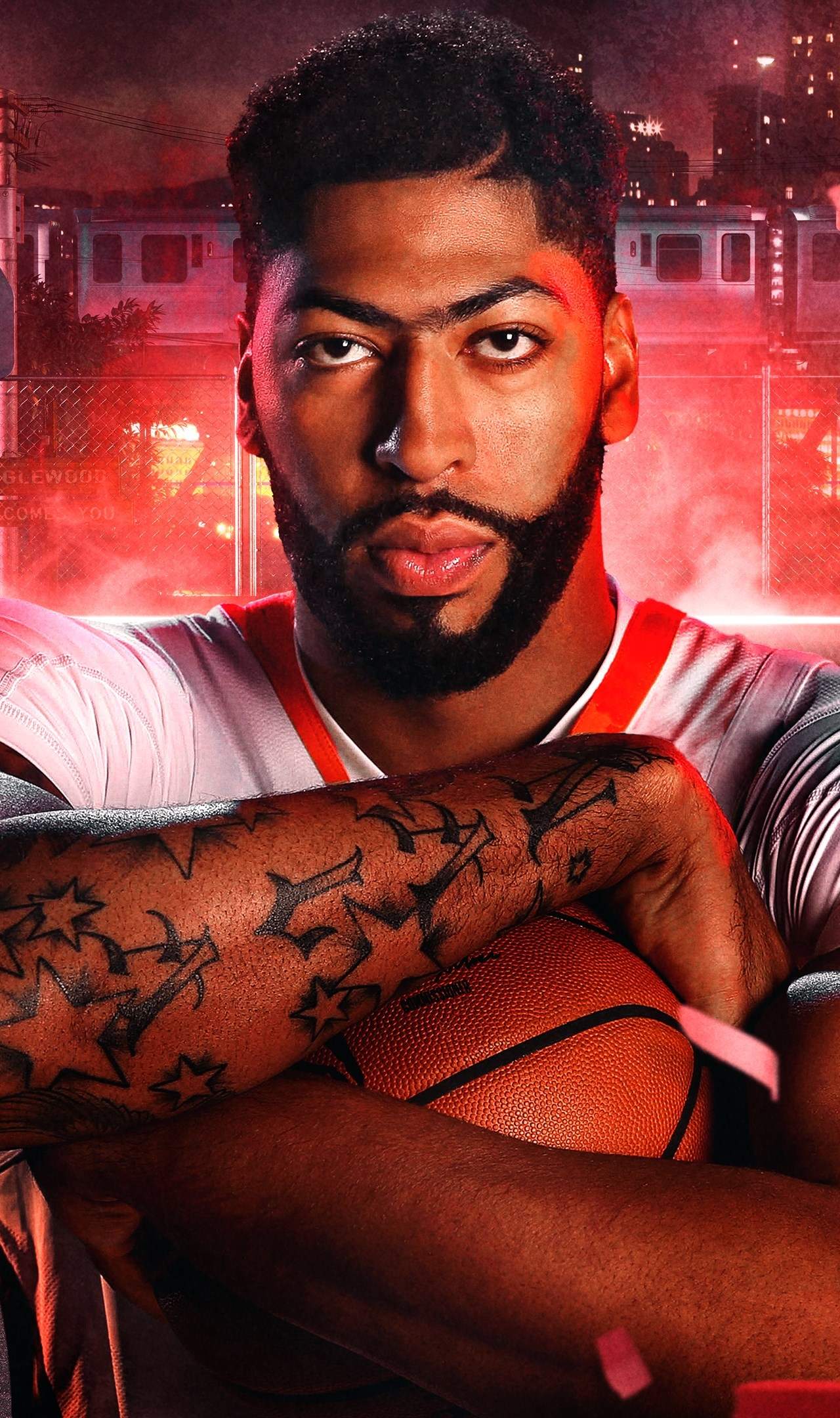
Player Development
Welcome to the crucial realm of Player Development in NBA 2K27, where raw talent is molded into polished superstars. This aspect of the game is where you truly shape the future of your franchise, transforming promising rookies into legitimate All-Stars and ensuring your veteran players continue to grow or at least maintain their elite status. It’s a delicate process that requires careful attention to individual player needs, strengths, and weaknesses. You’ll be making decisions about training regimens, assing specific skills to focus on, and managing their playing time to maximize their growth without burning them out. The game simulates the organic progression of athletes, meaning development isn't always linear; some players will exceed expectations, while others might plateau. Understanding the mechanics of player development is key to building a sustainable dynasty, ensuring you have a pipeline of talent ready to step up when needed. Prepare to become a virtual basketball guru, nurturing the next generation of NBA legends.
The journey of a player in NBA 2K27 is a dynamic one, and Player Development is the engine that drives their evolution. It's not just about their initial ratings; it's about how you guide their growth over seasons. This involves utilizing training camps, assing specific drills, and making strategic decisions about their role on the team. A player who consistently gets minutes and is given opportunities to showcase their skills will generally develop faster than one who is stuck on the bench. Furthermore, the game simulates the impact of coaching and mentorship. A player developing under a skilled coach or alongside veteran leaders will often see a more sificant boost in their attributes. You'll be monitoring their progress, identifying areas for improvement, and making crucial decisions that can either accelerate their development or stunt it. The goal is to create a roster of players who are constantly improving, making your team a formidable force for years to come. This is where you truly leave your mark on the league, crafting the careers of virtual athletes.
Attribute Progression & Potential
Understanding attribute progression and potential is the bedrock of effective player development in NBA 2K27. Every player in the game possesses a potential rating, which dictates the ceiling of their development. A player with a high potential, say 90+, has the capacity to become an elite superstar, while a player with lower potential might cap out as a solid role player. Your goal is to help players reach their maximum potential. This is achieved through consistent playing time, effective training, and positive in-game performance. Attributes like shooting, dribbling, defense, and athleticism all increase over time, but the rate of progression is influenced by several factors. For instance, a young player with high potential who is consistently hitting shots will see their shooting attributes increase more rapidly than a veteran player with a lower potential who is struggling. Pay close attention to a player's potential rating when making development decisions; it's often more beneficial to invest time and resources into a player with a high ceiling, even if they are currently less skilled than a player with a lower potential.
Training Camps & Skill Development
Training camps and dedicated skill development are your primary tools for actively shaping player growth in NBA 2K27. During the offseason or even during the season, you can enroll players in specialized training camps desed to improve specific attributes. For example, you can send a player to a "Shooting Camp" to boost their three-point shooting, or a "Ball Handling Camp" to enhance their dribbling skills. The effectiveness of these camps depends on the player's current attributes, their potential, and the quality of the camp itself. It's often beneficial to focus training on a player's weaknesses to create a more well-rounded player, or to further enhance their strengths to make them an elite specialist. For instance, if you have a dominant center like Joel Embiid, you might focus on improving his passing ability to make him an even more versatile offensive threat. Be mindful of player fatigue, as excessive training can lead to burnout and hinder development. Balancing training with rest is crucial for optimal growth.
Development Tendencies & Player Archetypes
A player's development tendencies and their inherent archetype sificantly influence how they grow in NBA 2K27. Some players are naturally inclined to develop certain skills faster than others. For example, a player who starts with high shooting attributes might continue to see rapid improvement in that area, while a player with strong defensive instincts will likely see their defensive ratings climb steadily. Understanding these tendencies helps you tailor your development strategies. If a player consistently shows a knack for creating their own shot, you might focus on drills that enhance their shooting efficiency and dribbling moves. Conversely, if a player excels at rebounding, you might prioritize strength and positioning drills to make them an even more dominant force on the glass. It's also important to consider how development als with their archetype. A "Point Forward" archetype, for instance, should see improvements in both playmaking and scoring attributes, while a "Rim Protector" should focus on enhancing their shot-blocking and interior defense. This nuanced approach ensures that player development is not only about raising numbers but also about refining their identity on the court.
Mentorship & Locker Room Influence
The intangible aspects of player development, such as mentorship and locker room influence, play a sificant role in NBA 2K27. Veteran You can act as mentors to younger teammates, imparting their knowledge, experience, and work ethic. This can lead to accelerated development for the younger players, helping them avoid common pitfalls and learn crucial skills faster. When assing mentors, consider pairing players with similar positions or playstyles. For example, a veteran point guard like Chris Paul could be an excellent mentor for a young, developing point guard, teaching them the nuances of court vision and playmaking. The game simulates the impact of these relationships, so actively managing your locker room dynamics can yield substantial development benefits. Furthermore, a positive team culture fostered by veteran leadership can boost overall player morale and motivation, indirectly contributing to their development. Conversely, a toxic locker room environment can stifle growth and lead to player regression, regardless of their individual talent.