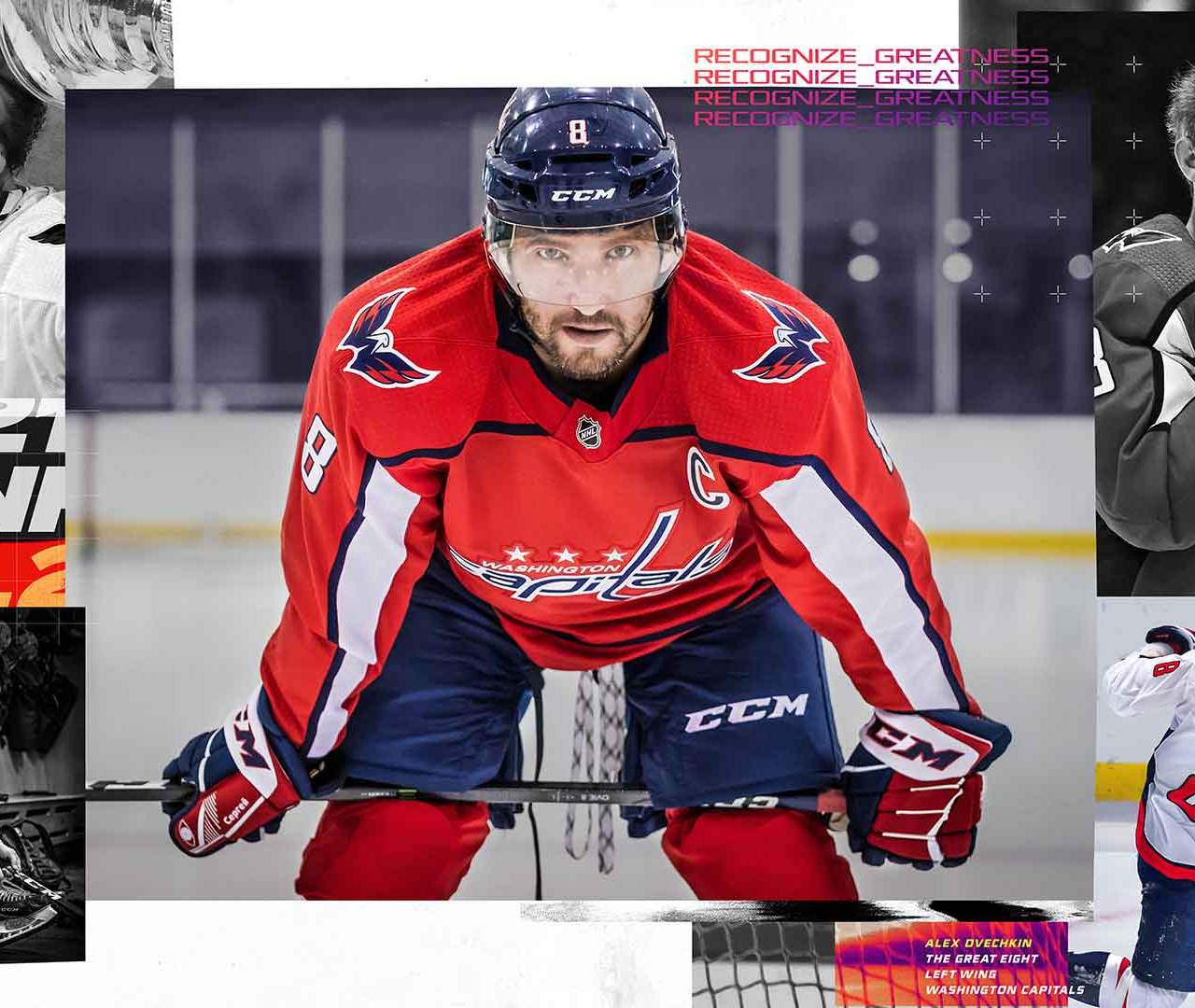
On-Ice Performance
NHL 27 aims to deliver an authentic hockey simulation experience, and understanding how your players perform on the ice is paramount to success. The game engine meticulously tracks several attributes that dictate a player's effectiveness in different situations. Speed, acceleration, agility, and balance are crucial for skaters to gain separation from opponents, make quick cuts, and maintain control of the puck. A player with high speed can break away on a clear chance, while good acceleration allows them to explode past a defender. Agility and balance are key for puck carriers to weave through traffic and avoid checks, preventing turnovers. These skating attributes are directly influenced by a player's overall rating and can be further enhanced through specific team strategies or individual player development within Franchise Mode.
Beyond skating, shooting accuracy and power are vital for offensive output. A player with a high shot accuracy will consistently hit the net, while a powerful shot can beat goaltenders clean. Wrist shots, slap shots, and snap shots all have different effectiveness based on player ratings and the situation. Defensive capabilities are equally important, with attributes like stick checking, shot blocking, and defensive awareness determining a player's ability to disrupt opposing offenses. A high defensive awareness player will be better positioned to intercept passes or block shots. Physical attributes such as strength and checking also play a significant role, allowing players to win board battles, deliver impactful hits, and protect the puck. Understanding these core on-ice attributes will allow you to identify your team's strengths and weaknesses, and make informed decisions during gameplay and team management.
The game also simulates fatigue, which can impact a player's performance over the course of a game. Players who have been on the ice for extended shifts will see their speed, stamina, and shot accuracy decrease. This necessitates smart line matching and line rotation to keep your players fresh and performing at their peak. Goaltending performance is determined by attributes like reflexes, positioning, and rebound control. A goaltender with high reflexes can make spectacular saves, while good positioning minimizes the angles available to shooters. Rebound control is crucial for preventing second-chance opportunities for the opposition. Pay close attention to these on-ice performance indicators to maximize your team's potential and achieve victory on the virtual ice.