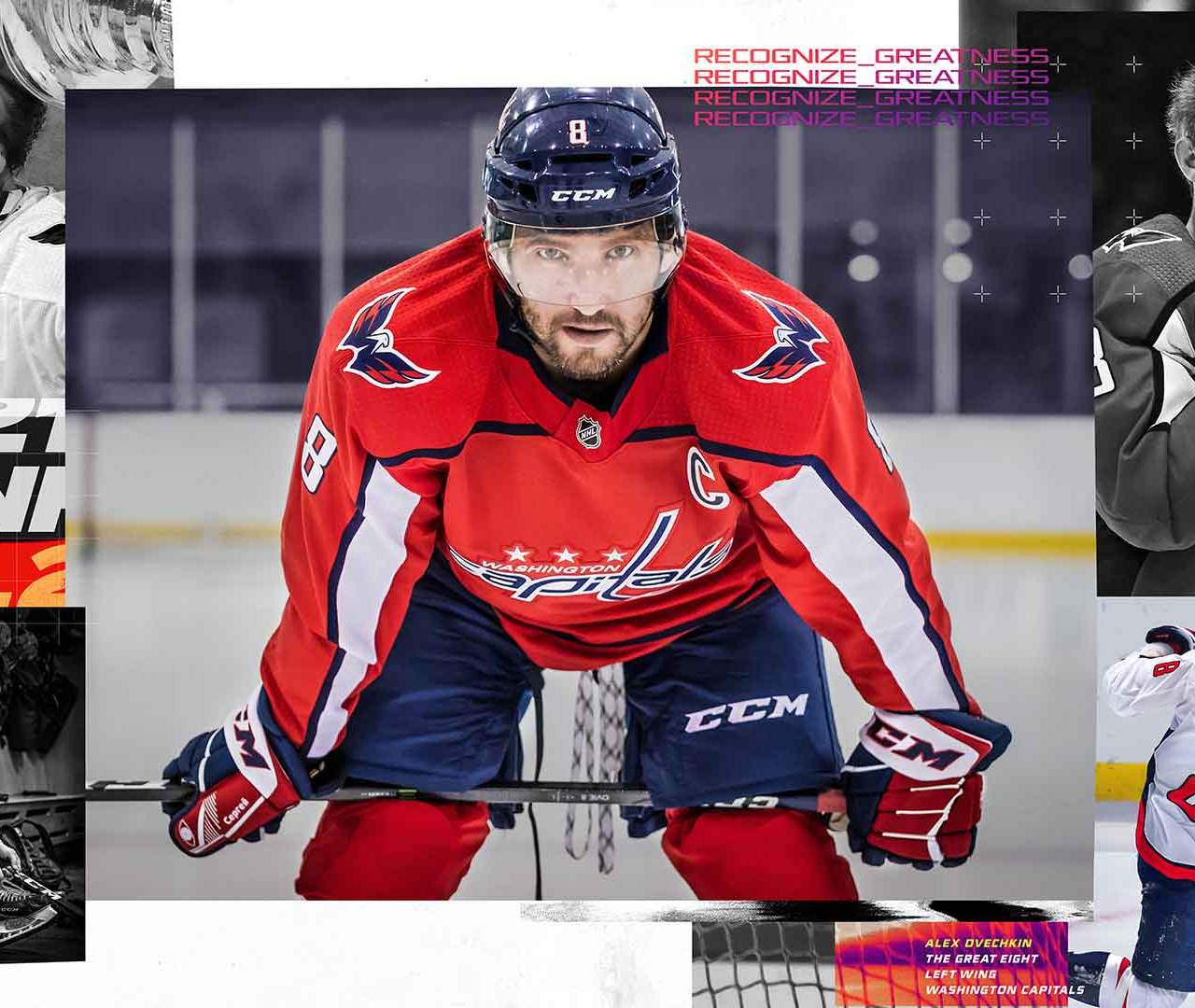
Checking & Body Contact
Physicality is a cornerstone of hockey, and NHL 27 allows players to engage in impactful checking and body contact to gain an advantage. The source material for NHL 2002, while not detailing checking mechanics, implies the importance of team play and individual player attributes. In NHL 27, mastering the art of the hit can disrupt opponent plays, create turnovers, and even open up scoring lanes. There are various types of checks available, including the shoulder check, the hip check, and the board check. Each has its own effectiveness depending on the situation and the opponent's positioning. A well-timed shoulder check can knock a player off the puck, while a board check can pin an opponent against the glass, giving your teammates time to support. The source material mentions "Cards," which could be interpreted as special abilities or boosts, and in NHL 27, certain player attributes or special abilities might enhance checking effectiveness, such as increased impact force or a higher chance of causing a fumble. Be aware of the penalty system; while physicality is encouraged, reckless or late hits can result in penalties, putting your team at a disadvantage. Players with high strength and aggression ratings will generally be more effective at delivering powerful checks. Conversely, players with high balance and agility will be better at avoiding hits. A common mistake is to chase after every opponent, leading to over-pursuit and leaving your own defensive zone vulnerable. Instead, focus on delivering impactful checks when the opportunity arises and when it serves a strategic purpose, such as stopping a rush or separating a player from the puck in a critical area. Utilizing the "hit stick" effectively requires practice to time your checks and aim them accurately, ensuring maximum impact and minimal risk of penalty.