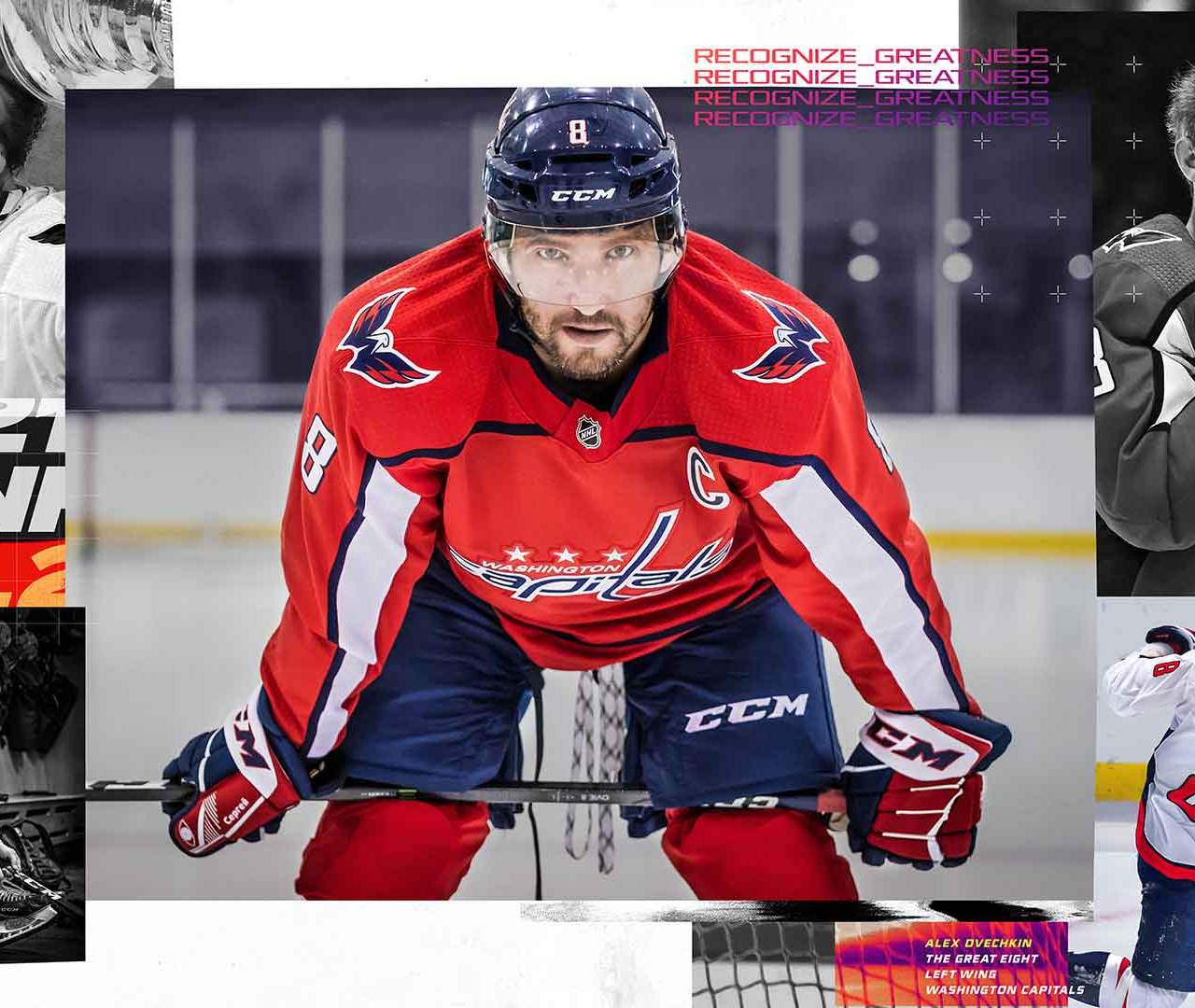
Player Archetypes & Attributes
Understanding player archetypes and their associated attributes is fundamental to building a successful team in NHL 27. Each player on the ice falls into a specific archetype, which dictates their strengths and how they tend to play. These archetypes are defined by a combination of core attributes. For example, a "Power Forward" archetype is typically characterized by high Strength, good Shot Power, and decent Aggression. These players excel at physical play, driving to the net, and scoring from close range.
Conversely, a "Playmaker" archetype relies on attributes like Passing Accuracy, Dangling, and Vision to create scoring opportunities for themselves and their teammates. These players often operate in the offensive zone, looking for open lanes and precise passes. Other common archetypes include "Sniper," known for exceptional Wrist Shot Accuracy and Slapshot Power; "Two-Way Forward," who possess balanced offensive and defensive attributes like Faceoff Win Percentage and Stick Checking; and "Offensive Defenseman," who contribute significantly to the attack with attributes such as Puck Moving and Slap Shot Accuracy.
The game's attribute system is granular, with each player having ratings across dozens of categories. While archetypes provide a general overview, the specific attribute ratings determine a player's effectiveness within their role. For instance, two players might both be classified as "Sniper," but one might have a significantly higher Wrist Shot Speed, making them a more immediate scoring threat. It's crucial to scout players thoroughly and analyze their attribute breakdown to identify their true potential and how they fit into your team's strategy. Recognizing these archetypes and attributes allows for more effective roster construction, line matching, and strategic decision-making on the ice, ensuring you leverage each player's unique skill set to its maximum potential.
Compare player archetypes & attributes inFIFA Street