Easter Eggs & References
Paper Mario: The Thousand-Year Door is a treasure trove of delightful easter eggs and clever references, paying homage to the broader Mario universe, other Nintendo titles, and even pop culture. These hidden gems add significant charm and humor to the game, rewarding observant players who take the time to explore and interact with the world.
How to Find Them
While many references are woven into the main narrative, some require a keen eye and a curious spirit. To uncover the most secrets:
- Talk to Everyone: Many NPCs have unique dialogue that changes over time or reveals subtle references. Don't just stick to story-critical characters.
- Examine Environments: Use Mario's paper abilities (like turning sideways) to access hidden areas or simply look closely at background details.
- Listen Carefully: Pay attention to character names, item descriptions, and even battle quotes.
- Revisit Areas: Some references only become apparent after certain story events or when you have new partners with unique abilities.
Specific Easter Eggs & References
Character Cameos & Mentions
- Super Luigi: Throughout your adventure, you'll frequently encounter Luigi's partners from his own (fictional) parallel adventure. These characters, like Blooey the Blooper, are often found in various towns and areas, eager to share exaggerated tales of Luigi's heroic (and often clumsy) exploits. Their stories are a running gag and a direct reference to the "Super Luigi" section found in the original Paper Mario's instruction manual.
- Goombario, Kooper, Bombette, Parakarry, Lady Bow, Watt, Sushie, Lakilester: While not directly appearing, several NPCs will mention or allude to Mario's partners from the original Paper Mario. For instance, some Goombas might talk about a "smart Goomba" (Goombario), or Koopas might reference a "brave Koopa" (Kooper).
- Professor Frankly's Past: Professor Frankly, your initial guide, occasionally hints at his past adventures and knowledge, subtly suggesting he might have been involved in previous Mario games or mysteries.
Dialogue & Story Nods
- The "Curse" of the Thousand-Year Door: The game's central mystery and the ancient civilization behind the door bear thematic similarities to the backstory of the Star Rod in the original Paper Mario, involving powerful artifacts and ancient evils.
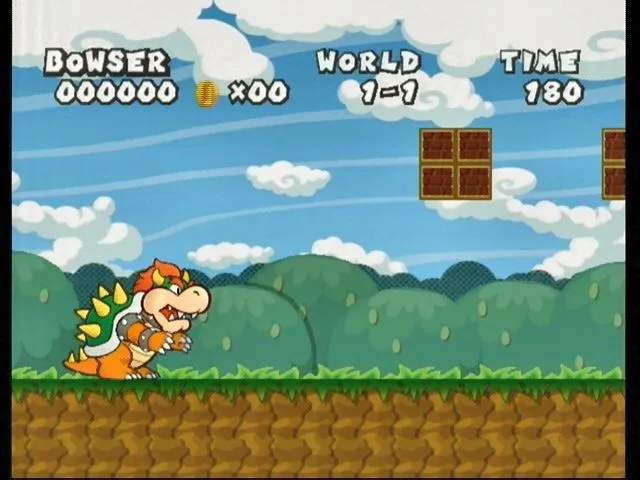
- Bowser's Interventions: Bowser's recurring (and often comical) attempts to interfere with Mario's quest, believing he's the hero, are a classic staple of the Mario series and a direct continuation of his role in the first Paper Mario.
- Game Over Screen: The classic "Game Over" screen features Mario and his current partner in a comical, defeated pose, a staple visual from previous Mario RPGs.
Environmental & Item Details
- Star Pieces and Shine Sprites: These collectible items are direct callbacks to the Star Pieces and Star Spirits from the original Paper Mario, serving a similar function in strengthening Mario.
- Badges: The badge system itself is a core mechanic carried over from the first Paper Mario, allowing for deep customization of Mario's abilities. Many individual badges also return from the previous game.
- Zess T.'s Cooking: The cooking mechanic, where Zess T. can combine ingredients to create powerful recovery items or stat boosts, is an expanded version of Tayce T.'s cooking from the original game.
- The Pit of 100 Trials: This challenging optional dungeon is a spiritual successor to the "Flower Gate" challenge in the original Paper Mario, offering a gauntlet of increasingly difficult battles.
- Toad Town (Rogueport influence): While Rogueport is a new location, its bustling port town atmosphere and diverse inhabitants echo the vibrant life of Toad Town from the first game, albeit with a grittier edge.
Pop Culture & Nintendo Universe References
- The Glitz Pit: The entire concept of the Glitz Pit, with its wrestling-style matches, rankings, and colorful characters, is a clear homage to professional wrestling and fighting game tournaments. Many of the character designs and names within the Glitz Pit also have subtle references to other media.
- Names and Puns: Keep an ear out for character names like "Don Pianta" (a nod to The Godfather) or "Grifty" (a play on words for "grifter" and "griffon"), which often carry subtle humor or references.
- General Nintendo Lore: Various items, enemies, and even sound effects are pulled directly from the wider Nintendo universe, delighting long-time fans. For example, some enemy designs are updated versions of classic Mario foes.