
Delve: The Azurite Mine
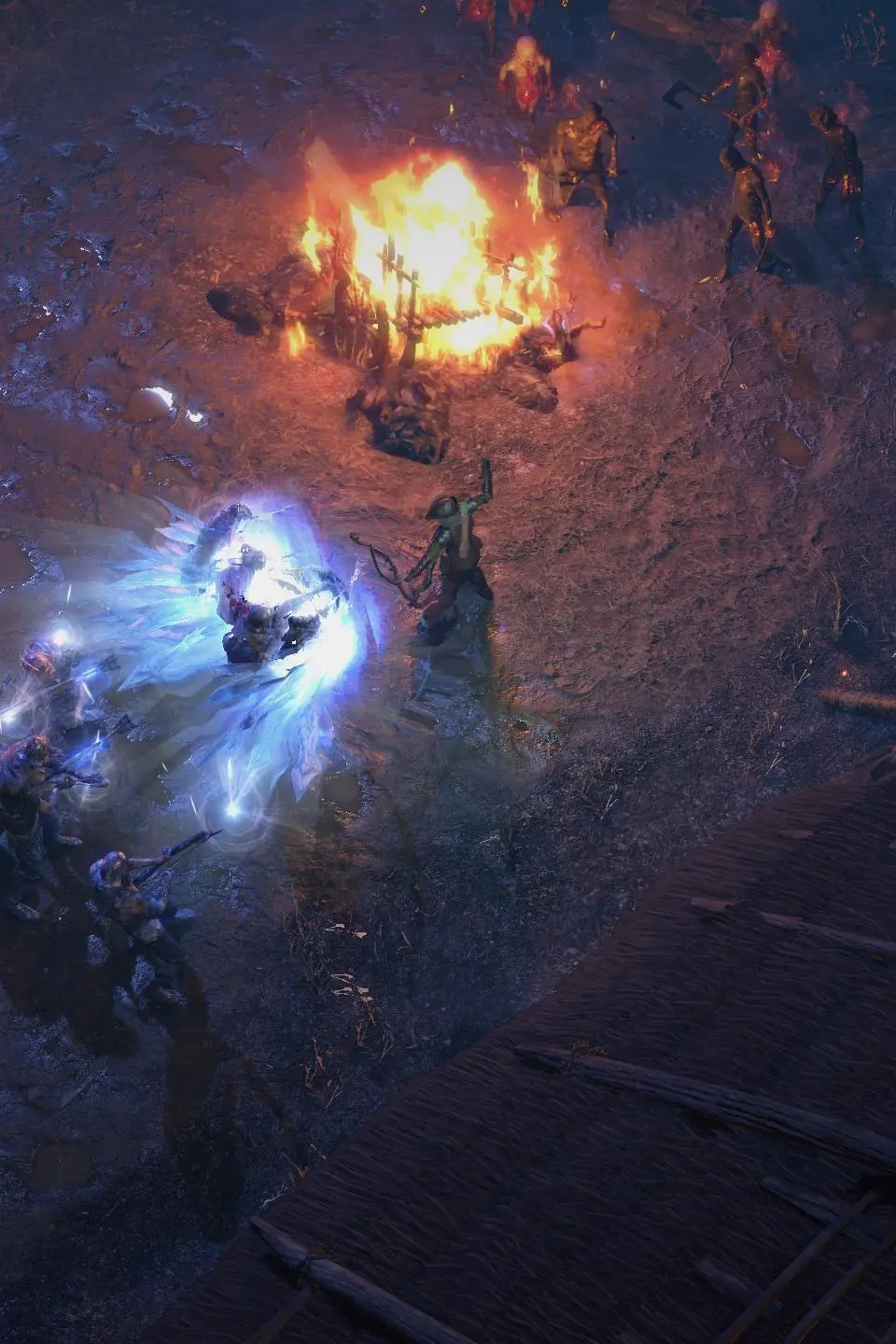
The Azurite Mine, an infinitely deep and procedurally generated dungeon, offers a unique and highly rewarding experience in Path of Exile 2. Accessible through the enigmatic Master Niko, Delve plunges you into perpetual darkness, where your only guide is the Crawler – a mobile light source that illuminates a narrow path. Your objective: survive the horrors of the deep, collect valuable Azurite, and uncover untold riches.
Understanding the Delve Core Loop
Your journey into the Azurite Mine revolves around several key mechanics:
- The Crawler: This mobile light source dictates your path. Stay within its radius to avoid the debilitating effects of the darkness, which rapidly drains your life and energy shield.
- Azurite: The primary currency of the mine, Azurite is dropped by defeated monsters and found in Azurite Veins. It's crucial for upgrading your Delve equipment.
- Flares: Consumable items that create temporary pockets of light, allowing you to venture briefly into the darkness to uncover hidden paths or chests.
- Dynamite: Consumable explosives used to destroy unstable walls, revealing secret passages and valuable rewards.
- Sulphite: A resource found in the main game zones (Acts, Maps) that fuels the Crawler. You'll need to collect Sulphite to undertake Delve expeditions.
Prioritizing Azurite Upgrades
Azurite is spent at Niko's Voltaxic Generator in the Mine Encampment. Strategic upgrades are vital for deeper exploration and increased rewards. Here's a breakdown of essential upgrades and a recommended progression:
Recommended Upgrade Priority:
- Light Radius: This is paramount. A larger light radius provides a safer exploration zone around the Crawler, reducing the risk of being caught in the darkness. Prioritize this early and consistently.
- Flare Capacity & Flare Radius: Once your light radius is comfortable, invest in flares. Increased capacity means more attempts at finding hidden areas, while a larger radius makes those attempts safer and more effective.
- Dynamite Capacity & Dynamite Radius: After flares, focus on dynamite. More dynamite allows you to break more walls, and a larger radius ensures you hit the target even if it's slightly obscured.
- Sulphite Capacity: While not directly impacting your Delve run, a larger Sulphite capacity means fewer trips back to the surface to refuel, allowing for longer, more efficient Delve sessions.
- Darkness Resistance: This is a late-game luxury. While useful for surviving brief excursions into the darkness, it's less critical than avoiding the darkness entirely with a larger light radius and effective flares.
Table: Key Azurite Upgrades and Benefits
| Upgrade | Primary Benefit | Strategic Importance |
|---|---|---|
| Light Radius | Expands the safe zone around the Crawler. | High: Essential for survival and comfortable exploration. |
| Flare Capacity | Increases the number of flares you can carry. | Medium: More attempts at finding hidden areas. |
| Flare Radius | Increases the area illuminated by a flare. | Medium: Safer and more effective exploration of dark zones. |
| Dynamite Capacity | Increases the number of dynamite charges you can carry. | Medium: More opportunities to break unstable walls. |
| Dynamite Radius | Increases the blast radius of dynamite. | Low-Medium: Easier to hit walls, especially in chaotic encounters. |
| Sulphite Capacity | Increases the maximum Sulphite you can hold. | Medium: Reduces trips to collect Sulphite, improving efficiency. |
| Darkness Resistance | Reduces damage taken while in the darkness. | Low: Primarily for advanced players pushing extreme depths or specific builds. |
Maximizing Rewards: Crafting Materials, Unique Items, and Experience
Valuable Crafting Materials:
Delve is a treasure trove for crafters. Keep an eye out for these highly sought-after materials:
- Fossils: These are the most significant crafting materials found exclusively in Delve. Each fossil type (e.g., Aberrant, Pristine, Corroded) influences specific mod pools when used with resonators, allowing for highly targeted crafting.
- Strategy: Fossils are found in specific biomes and behind unstable walls. Prioritize exploring side paths and using dynamite.
- Resonators: Used in conjunction with fossils. Simple, Potent, and Prime resonators allow you to apply 1, 2, or 3 fossils respectively.
- Strategy: Resonators drop from monsters and chests throughout the mine.
- Currency Shards: While not exclusive to Delve, you'll find a higher density of various currency shards (Chaos Shards, Exalted Shards, etc.) in deeper levels and from specific encounters.
- Influence Items: Deeper Delve nodes can drop items with Shaper, Elder, or other Conqueror influences, which are valuable for specific crafting projects.
Targeting Unique Items:
Many powerful and build-enabling unique items are either exclusive to Delve or have a higher drop chance within its depths. Look for:
- Specific Biome Uniques: Some unique items are tied to particular Delve biomes (e.g., certain unique rings from the Fungal Caverns).
- Boss Drops: Delve bosses, encountered at specific depths or in unique nodes, often have their own exclusive unique item drops. Research these to target specific items.
- Unique Chests: Occasionally, you'll encounter unique chests that guarantee a unique item drop. These are often found behind unstable walls.
Maximizing Experience:
Delve is an excellent source of experience, especially for characters looking to level efficiently. Here's how to get the most XP:
- Deep Delving: The deeper you go, the higher the monster level and the more experience they grant. Push your depth as far as your build can comfortably handle.
- Full Clears: Don't just follow the Crawler. Use flares to explore the darkness around the main path. Hidden monster packs and encounters provide significant bonus experience.
- Speed Clearing: While exploring is good, maintaining a fast pace through nodes is crucial for overall XP per hour. Optimize your build for clear speed.
- Avoid Deaths: Deaths in Delve can be costly, especially at deeper levels, due to experience penalties. Prioritize survival over risky plays.
Delve Biomes, Hidden Walls, and Encounters
Delve Biomes:
The Azurite Mine features several distinct biomes, each with unique monster types, environmental hazards, and potential rewards. Understanding them is key:
- Sulphur Vents: Often the starting biome. Features fire-based monsters and environmental fire hazards. Good for early Azurite and basic crafting materials.
- Fungal Caverns: Characterized by poisonous spores and fungal monsters. Excellent source of Aberrant Fossils and unique items tied to chaos damage.
- Petrified Forest: Stone-skinned monsters and petrified trees. Can yield Corroded Fossils and physical damage-related uniques.
- Frozen Hollow: Ice-themed monsters and chilling ground effects. Good for Frigid Fossils and cold damage uniques.
- Abyssal City: A more challenging biome with undead and void-themed enemies. Can drop Metallic Fossils and powerful influence items.
- Magma Caverns: High-temperature environment with fire elementals and molten hazards. Often contains Scorched Fossils.
Hidden Walls and Secret Passages:
One of Delve's most rewarding mechanics is the discovery of hidden areas. Keep an eye out for:
- Unstable Walls: These are cracked sections of rock that appear along the main Crawler path or in side passages. They are often indicated by a faint glow or a distinct sound. Use dynamite to break them.
- Strategy: Always carry enough dynamite. When the Crawler stops at a junction, quickly scout the surrounding darkness with a flare for any unstable walls. They often lead to chests, fossil nodes, or unique encounters.
- Side Paths in Darkness: Sometimes, a hidden path isn't behind a wall but simply a dark corridor branching off the main route. Use flares to illuminate these and explore cautiously.
Common Encounter Types:
- Azurite Veins: Clusters of Azurite that can be mined for a significant currency boost.
- Currency Chests: Contain various currency items.
- Fossil Deposits: Specific nodes where you can find multiple fossils of a particular type. These are highly sought after.
- Unique Item Chests: Guaranteed unique item drops.
- Resonator Chests: Contain various types of resonators.
- Delve Bosses: Powerful unique monsters found in specific "Boss" nodes on the Delve map. Each boss has unique mechanics and drops valuable loot, including exclusive unique items. Examples include the Ahuatotli, the Blind in the Fungal Caverns or Kurgal, the Black Star in the Abyssal City. Research their attack patterns and weaknesses before engaging.
- Darkness Encounters: Occasionally, venturing into the darkness will trigger an encounter with powerful monsters that drop increased rewards. Be prepared for a fight if you choose to explore these areas.
Common Pitfalls and Missables
- Running out of Sulphite: Always keep an eye on your Sulphite reserves. If you run out mid-Delve, you'll be forced to return to the surface, potentially interrupting a good run.
- Ignoring Upgrades: Neglecting your Azurite upgrades will severely limit your progress and make deeper delves incredibly challenging.
- Not Using Flares/Dynamite: Many of Delve's best rewards are hidden behind unstable walls or in dark side passages. Don't be stingy with your consumables.
- Getting Lost in Darkness: The darkness is lethal. Always have an escape plan or a flare ready if you venture off the Crawler's path.
- Underestimating Biome Hazards: Each biome has unique environmental dangers (e.g., poison clouds, chilling ground). Ensure your resistances and defenses are adequate for the depth you're exploring.
By understanding these mechanics and strategies, you'll be well-equipped to conquer the Azurite Mine and reap its abundant rewards in Path of Exile 2.