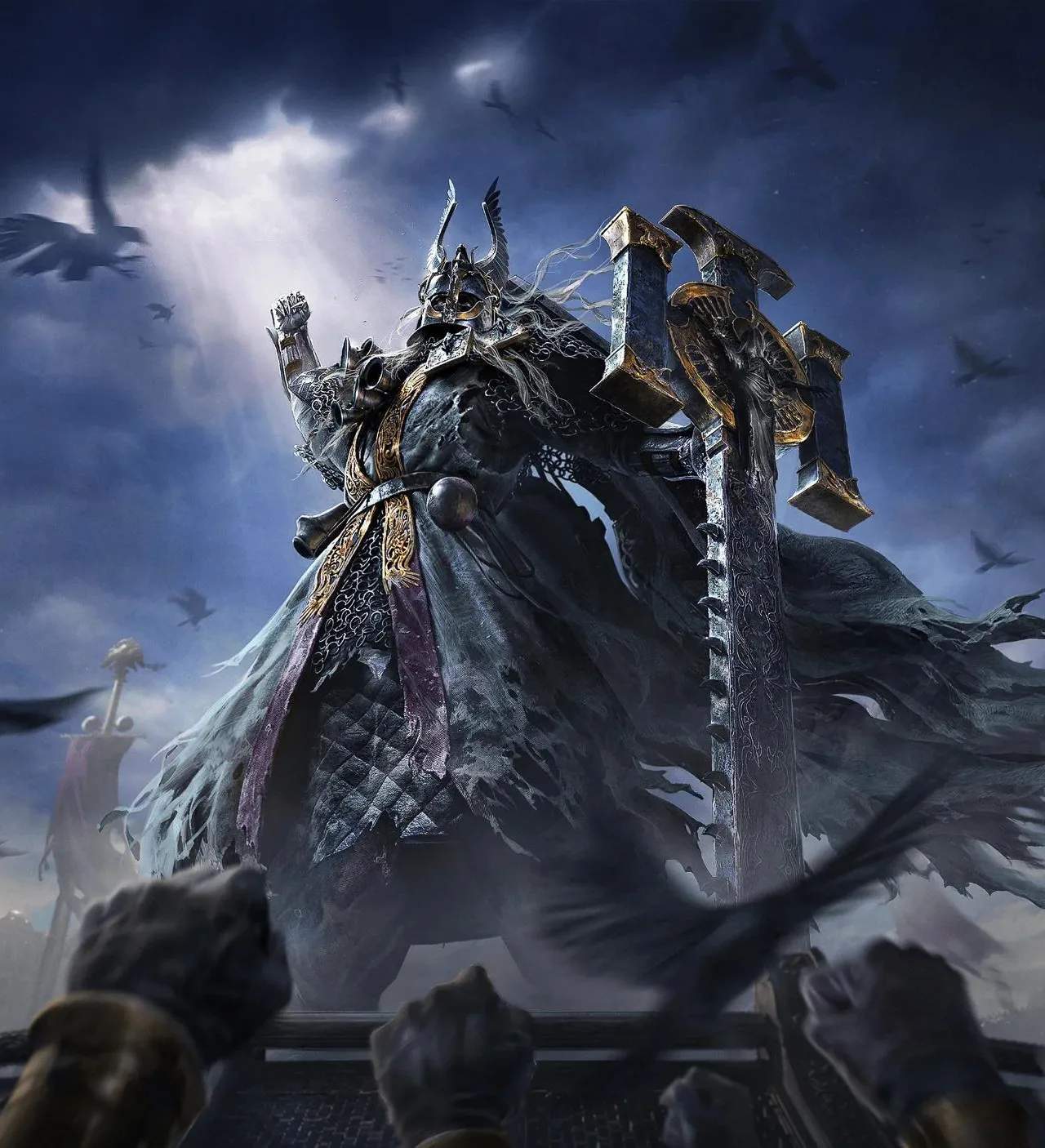
Game Modes
Path of Exile 2 offers a diverse array of game modes, each providing a unique challenge and experience. Understanding these modes is crucial for new and veteran Exiles alike, as they dictate everything from character progression to the very nature of your loot drops. This guide will delve into the intricacies of each, offering actionable strategies and insights to maximize your success.
Standard League
The Standard League is the foundational game mode in Path of Exile 2, serving as a permanent home for all characters and items that are not part of a temporary challenge league. It's an excellent starting point for new players to learn the game's mechanics without the pressure of a time-limited environment.
- Progression: All characters, items, and stash contents from past challenge leagues eventually migrate to Standard. This allows for long-term character building and experimentation with various gear combinations.
- Economy: The Standard economy is generally more stable and less volatile than temporary leagues, with a vast supply of legacy items and high-tier currency. This can make acquiring specific rare items easier, but also means that new, powerful items might not hold their value as long.
- Strategy: For new players, focus on completing the main campaign and understanding core mechanics like the Skill Gem system, Passive Skill Tree, and crafting. Don't be afraid to experiment with different builds, as there's no reset. Veteran players often use Standard to test new build concepts or to play with characters they've invested heavily in over many leagues.
- Item Acquisition: While rare drops are always exciting, consider trading for specific unique items or high-roll rares to optimize your build. The vast market in Standard means almost any item is available for the right price.
Challenge Leagues (Temporary Leagues)
Challenge Leagues are where the majority of Path of Exile 2's new content and player engagement takes place. These temporary leagues, typically lasting around three months, introduce new mechanics, items, and challenges, offering a fresh start for all players.
Core Mechanics and Progression
Each Challenge League features a unique set of mechanics that are integrated into the game world. These can range from new enemy types and encounters to unique crafting systems or item modifications. Players start fresh with no items or currency, fostering a competitive and dynamic economy.
- League Start Strategy:
- Campaign Rush: Prioritize completing the 10-Act campaign as quickly as possible to unlock the Atlas of Worlds. Focus on efficient movement skills (e.g., Flame Dash, Whirling Blades) and strong early-game damage skills (e.g., Sunder, Freezing Pulse).
- Early Mapping: Once in the Atlas, aim to complete your white maps quickly to unlock more map tiers and passive points. Focus on obtaining a 4-link item for your main skill as soon as possible. The Tabula Rasa (a unique 6-link white item) is an excellent early-game target, often traded for a few Chaos Orbs.
- Currency Generation: Identify profitable league mechanics early on. If the league introduces a new crafting material, focus on farming areas where it drops. Selling valuable rare items with good rolls, especially those with high resistances or life, can provide a steady income.
- Unique League Mechanics:
- Understanding the Gimmick: Before diving deep, take time to understand how the current league's mechanics work. Consult the official Path of Exile 2 website or community guides for detailed explanations.
- Optimization: Once you grasp the mechanics, strategize how to best interact with them. For example, if a league introduces a new type of monster, consider how your build can efficiently clear them or if there are specific drops to target.
- Risk vs. Reward: Many league mechanics offer higher rewards for increased risk. Evaluate your character's strength and decide if the potential gains outweigh the dangers.
- End-Game Goals:
- Atlas Completion: Aim to complete as many maps as possible, unlocking all Atlas passive points and conquering the various Conquerors and Elder/Shaper guardians.
- Bossing: Challenge the pinnacle bosses like the Maven, Sirus, and Uber Elder for their unique and powerful drops.
- Challenge Completion: Each league features a set of challenges that reward cosmetic items. These often require engaging with all aspects of the league and can be a fun long-term goal.
Hardcore League
The Hardcore League is a variant of the Challenge League where death is permanent. If your character dies, it is moved to the Standard League, along with all its equipped items and inventory. This mode offers an unparalleled level of tension and excitement.
- Survival is Key: Every decision, from passive skill choices to gear selection, must prioritize survivability.
- Defensive Layers: Maximize your elemental resistances (75% is the cap), aim for high life or energy shield, and incorporate defensive mechanics like Block Chance, Dodge Chance, and Physical Damage Reduction.
- Flask Management: Always have a full set of utility flasks (e.g., Granite Flask, Basalt Flask, Quicksilver Flask) and ensure they are properly enchanted to remove debilitating ailments like Bleeding, Poison, and Ignite.
- Cautious Playstyle: Avoid unnecessary risks. Scout ahead, clear packs methodically, and be prepared to retreat from dangerous encounters. Over-leveling zones can provide a significant safety net.
- Build Selection: Tanky, self-sustaining builds are often preferred. Examples include Juggernauts, Guardians, and builds utilizing high block chance with Gladiaor or Necromancer. Avoid glass cannon builds unless you are exceptionally skilled and knowledgeable.
- Trading: The Hardcore economy can be more volatile due to the constant loss of characters and items. Be prepared to pay a premium for essential defensive gear.
- Community: Hardcore players often form tight-knit communities, sharing tips and warnings about dangerous encounters.
Solo Self-Found (SSF)
Solo Self-Found (SSF) is a playstyle where you cannot trade with other players or join parties. All items, currency, and crafting materials must be found or crafted by your character. This mode can be played in both Standard and Challenge Leagues, as well as Hardcore.
Strategies for Success in SSF
- Resourcefulness: Every item drop is significant. Learn to identify potential upgrades, even if they aren't perfect. Crafting becomes paramount.
- Crafting Focus:
- Vendor Recipes: Master essential vendor recipes (e.g., 3-to-1 Orb of Chance, Chaos Orb recipe, Regal Orb recipe) to generate basic currency.
- Essences: Farm Essences consistently. They provide powerful deterministic crafting options for specific item slots.
- Harvest: Utilize Harvest crafting for targeted modifications, especially for resistances, life, and specific affixes.
- Bench Crafting: Always use your crafting bench to add missing resistances, life, or other crucial stats to your gear.
- Flexible Builds: Don't commit to highly specific unique-dependent builds. Instead, choose builds that can function well with rare items and readily available skill gems. Minion builds, totem builds, and spell casters often perform well in SSF due to their less gear-intensive nature.
- Atlas Strategy:
- Map Completion: Prioritize completing your Atlas to unlock all passive points and access higher-tier maps.
- Divination Cards: Target maps that drop valuable Divination Cards for specific uniques or currency (e.g., The Doctor in Burial Chambers for Headhunter).
- League Mechanics: Engage with league mechanics that provide consistent item or currency generation.
- Patience and Persistence: SSF is a marathon, not a sprint. It requires patience, adaptability, and a willingness to grind for necessary items.
Private Leagues
Private Leagues allow players to create their own custom league with specific modifiers and challenges. These leagues can be set up for a group of friends or a community, offering a tailored Path of Exile 2 experience.
- Custom Modifiers: You can choose from a wide range of modifiers that increase difficulty (e.g., "Monsters have 50% increased Life," "Players have 20% less Maximum Resistances") or alter the game's economy (e.g., "No Unique Item Drops," "Increased Currency Drops").
- Cost: Creating a Private League requires a small real-money investment, with the cost increasing based on the number of players and the duration of the league.
- Purpose: Private Leagues are ideal for:
- Community Events: Hosting unique challenges or races within a specific group.
- Hardcore Challenges: Creating an even more brutal Hardcore experience.
- Testing Builds: Experimenting with builds under specific conditions.
- Role-Playing: Crafting a unique narrative or thematic experience.
- Joining a Private League: Players receive an invitation code to join a Private League. Once joined, the rules of that league apply to their characters.
By understanding and strategically engaging with these various game modes, you can tailor your Path of Exile 2 experience to your preferences, whether you seek a casual journey, a competitive race, or the ultimate test of survival.