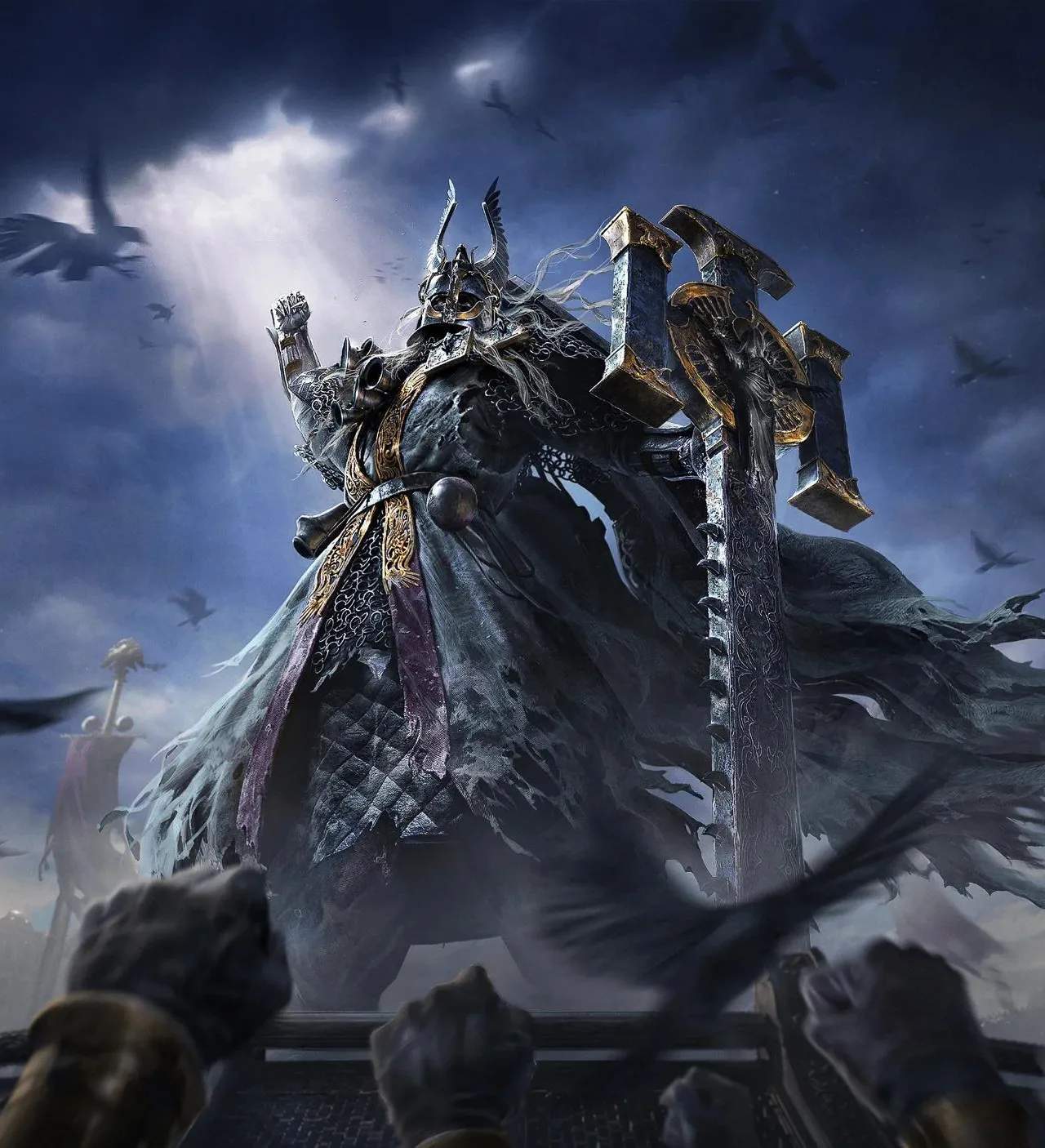
Party Play Benefits & Mechanics
Path of Exile 2, while perfectly enjoyable solo, truly shines when experienced with a party. Grouping up with fellow Exiles offers a multitude of benefits, from increased efficiency and safety to unique mechanics that enhance the loot and challenge. This detailed guide will walk you through the advantages of party play, how to optimize your group, and the specific mechanics you'll encounter.
Why Party Up? The Core Benefits
- Increased Survivability: With multiple players, you can distribute damage, control crowds, and revive fallen allies. A well-balanced party with a dedicated tank, support, and damage dealers can tackle content far more challenging than a solo player.
- Faster Clear Speed: More damage sources mean enemies fall quicker, and wider area-of-effect skills can clear packs with unparalleled speed. This translates directly to more experience and loot per hour.
- Enhanced Loot Quantity: Path of Exile 2 implements a party bonus to item drops. For every additional player in your party, the quantity of items dropped from monsters and chests increases. This is a significant boon for farming unique items, currency, and crafting bases.
- Experience Sharing: All party members within a certain range of a monster kill will share experience, ensuring everyone progresses together.
- Synergistic Builds: Certain skills and ascendancy choices are designed to complement party play. Auras, curses, and defensive buffs become far more potent when shared among multiple Exiles.
Forming Your Party: Best Practices
While any group is better than none, an optimized party can elevate your gameplay significantly. Consider these roles and strategies when forming your group:
1. The Tank/Frontliner
This player focuses on drawing aggro, mitigating damage, and providing crowd control. Ideal ascendancies might include a Guardian (Templar) for powerful defensive auras and taunts, or a Champion (Duelist) for Fortify generation and impale synergy. Key skills include:
- Vaal Molten Shell: Provides a massive temporary shield to absorb burst damage.
- Enduring Cry: Generates Endurance Charges and heals, drawing enemy attention.
- Ancestral Protector: Taunts nearby enemies, diverting their attacks.
Recommended Gear: Look for items with high armor/evasion, life, and elemental resistances. Unique items like Kaom's Heart (massive life bonus) or Aegis Aurora (energy shield recovery on block) are excellent choices for survivability.
2. The Support/Aura Bot
A dedicated support character can dramatically empower the entire party. Their primary role is to cast powerful auras, apply curses, and provide defensive buffs. Ascendancies like Necromancer (Witch) for minion buffs and corpse utility, or another Guardian for aura effect, are common. Essential skills include:
- Purity of Elements: Provides significant elemental resistance to all allies.
- Determination: Grants a substantial armor bonus.
- Grace: Increases evasion rating.
- Temporal Chains / Enfeeble: Curses that slow enemies or reduce their damage output.
Recommended Gear: Items that increase aura effect, reduce mana reservation, or provide additional curse limits are paramount. Alpha's Howl (reduced mana reservation for auras) and Victario's Charity (generates Frenzy and Power charges for allies) are highly sought after.
3. The Damage Dealers (DPS)
These players focus on maximizing their damage output to quickly eliminate threats. A balanced party often includes 1-2 dedicated DPS characters. Any strong offensive build can fill this role, but consider builds that synergize with the support's buffs or the tank's crowd control. Examples include:
- Spellcasters: Such as a Elementalist (Witch) for massive elemental damage or an Occultist (Witch) for chaos damage and curse effectiveness.
- Attackers: Like a Slayer (Duelist) for high physical damage and leech, or a Deadeye (Ranger) for projectile-based attacks and clear speed.
Recommended Gear: Focus on items that boost your primary damage stat (e.g., spell damage, attack speed, critical strike chance), alongside sufficient life and resistances to avoid being one-shot.
Party Mechanics: What Changes in a Group
Loot Allocation
Path of Exile 2 offers several loot allocation options, which can be set by the party leader:
- Free For All: The default setting. Any player can pick up any dropped item. This is often used in casual groups or when everyone is trustworthy.
- Short Allocation: Items are allocated to a specific player for a short duration (usually 5-10 seconds). If not picked up, they become free for all. This helps prevent immediate ninja-looting.
- Permanent Allocation: Items are permanently allocated to a specific player until they leave the instance or the item is picked up. This is ideal for structured farming groups to ensure fair distribution.
- Round Robin: Items are allocated to players in a rotating sequence. This is a fair system for general farming.
Pro Tip: Discuss loot allocation preferences with your party before entering challenging content like high-tier Maps or boss encounters to avoid disputes.
Monster Scaling
When playing in a party, monsters gain increased life and damage to compensate for the increased power of multiple Exiles. This scaling is dynamic and adjusts based on the number of players present. While this makes encounters more challenging, the increased loot quantity and experience bonuses generally outweigh the difficulty increase.
Revival Mechanics
If a party member falls in battle, another ally can revive them by standing near their corpse and holding the designated interaction key (default 'F' on PC). This revival process takes a few seconds and leaves the reviver vulnerable, so timing and positioning are crucial. Successfully reviving an ally saves them from losing experience (in softcore) or being sent back to town, allowing the group to continue pushing forward.
Waypoint Sharing
Once a party member discovers a new Waypoint in a zone, it becomes accessible to all other party members, even if they haven't personally touched it. This streamlines progression, allowing the party to quickly regroup or move between areas.
Instance Management
The party leader controls which instance the group is in. If the leader enters a new zone, the rest of the party will be prompted to follow. This is important for coordinating movement and ensuring everyone is on the same page during exploration or farming runs.
Advanced Party Strategies
Curse Overlap
While a single monster can only be affected by a limited number of curses from a single player, multiple You can apply different curses to the same monster. A coordinated party can stack several powerful curses (e.g., Despair, Elemental Weakness, Temporal Chains) on a boss, significantly increasing the damage it takes and reducing its threat.
Charge Generation
Certain skills and unique items can generate charges (Frenzy, Power, Endurance) for allies. For instance, a support character using Victario's Charity can constantly provide Frenzy and Power charges, boosting the damage and attack speed of the entire party. Coordinating charge generation can lead to massive power spikes.
Portal Management
In challenging content like boss fights or deep delves, having a dedicated portal user can be invaluable. This player can open portals to town for quick gear adjustments, flask refills, or to retrieve fallen allies without having to run back through dangerous areas. Consider equipping a Portal Gem or carrying Portal Scrolls.
Embracing party play in Path of Exile 2 unlocks a deeper, more rewarding experience. By understanding these mechanics and optimizing your group composition, you'll be well-equipped to conquer the most formidable challenges Wraeclast has to offer.