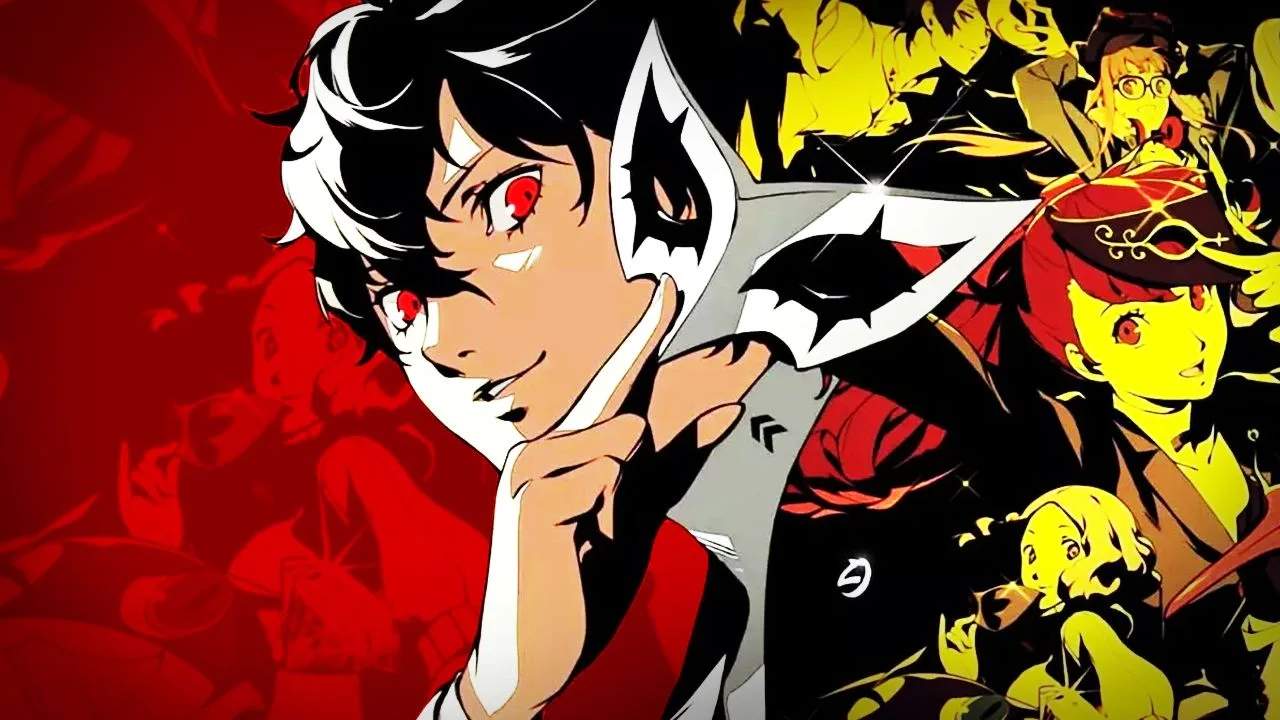
Persona 5 Royal Lore & Mythology
Persona 5 Royal is steeped in rich lore and mythology, drawing heavily from Jungian psychology, tarot archetypes, and various cultural and philosophical concepts. Understanding these underpinnings can deepen your appreciation for the game's narrative, characters, and the symbolic meaning behind its mechanics. The game's world is a complex tapestry woven with themes of rebellion, societal critique, and the power of the human psyche.
At its core, the Persona series explores the concept of the 'persona' – the mask or social role that individuals adopt. In Persona 5 Royal, this is literalized through the Personas themselves, which are manifestations of a person's true self, their desires, and their rebellious spirit. The game delves into the idea that societal pressures and corruption can lead individuals to suppress their true selves, creating distorted desires that manifest as 'Palaces' in the Metaverse.
Key lore and mythological elements:
- Jungian Psychology: The game heavily draws from Carl Jung's theories, particularly the concepts of the collective unconscious, archetypes, and the shadow self. Personas represent archetypes from the collective unconscious, and the Phantom Thieves' journey involves confronting their own shadows and the shadows of others.
- Tarot Arcana: Each Persona is associated with one of the 22 Major Arcana of the Tarot. These cards represent different stages of a spiritual journey and archetypal figures, mirroring the characters' personal growth and the game's narrative progression. For example, the Fool represents new beginnings, while The World sifies completion.
- Gnosticism and Rebellion: Themes of rebellion against oppressive systems and the pursuit of forbidden knowledge resonate with Gnostic philosophies. The Phantom Thieves' fight against corrupt authority figures can be seen as a modern interpretation of challenging a flawed, demiurgic world.
- Mythological Figures: Many Personas are drawn from various mythologies, religions, and folklore across the globe, including figures from Greek, Roman, Norse, Egyptian, and Japanese legends. These figures often embody specific traits or powers relevant to their role in the game.
- The Collective Unconscious: The Metaverse itself is a representation of the collective unconscious, a shared reservoir of human experience, desires, and fears. Palaces are the physical manifestations of individual psyches within this collective space.
- Symbolism: The game is rich in symbolism, from the Phantom Thieves' calling cards to the des of the Palaces and the Personas themselves. Every element is often imbued with deeper meaning related to the characters' struggles and the game's overarching themes.
By understanding these mythological and psychological underpinnings, You can gain a more profound appreciation for the intricate narrative and thematic depth of Persona 5 Royal.