Cultural References & Inspirations
Persona 5 Royal is steeped in a rich tapestry of cultural references and inspirations, drawing heavily from Japanese society, art, and mythology. These elements are woven into the game's narrative, character des, and overall aesthetic, adding layers of depth and meaning for those familiar with the source material.
The game's setting in modern-day Tokyo provides a fertile ground for incorporating real-world locations, social commentary, and contemporary issues. From the bustling Shibuya crossing to the quiet alleys of Yongen-Jaya, the city itself becomes a character, reflecting the dualities of urban life and the hidden struggles of its inhabitants. The Phantom Thieves' rebellion against corrupt adults mirrors societal critiques of authority and conformity.
Key Cultural Inspirations:
- Japanese Mythology: The Personas themselves are drawn from a vast array of figures in global mythology, with a sificant emphasis on Japanese folklore, deities, and historical figures.
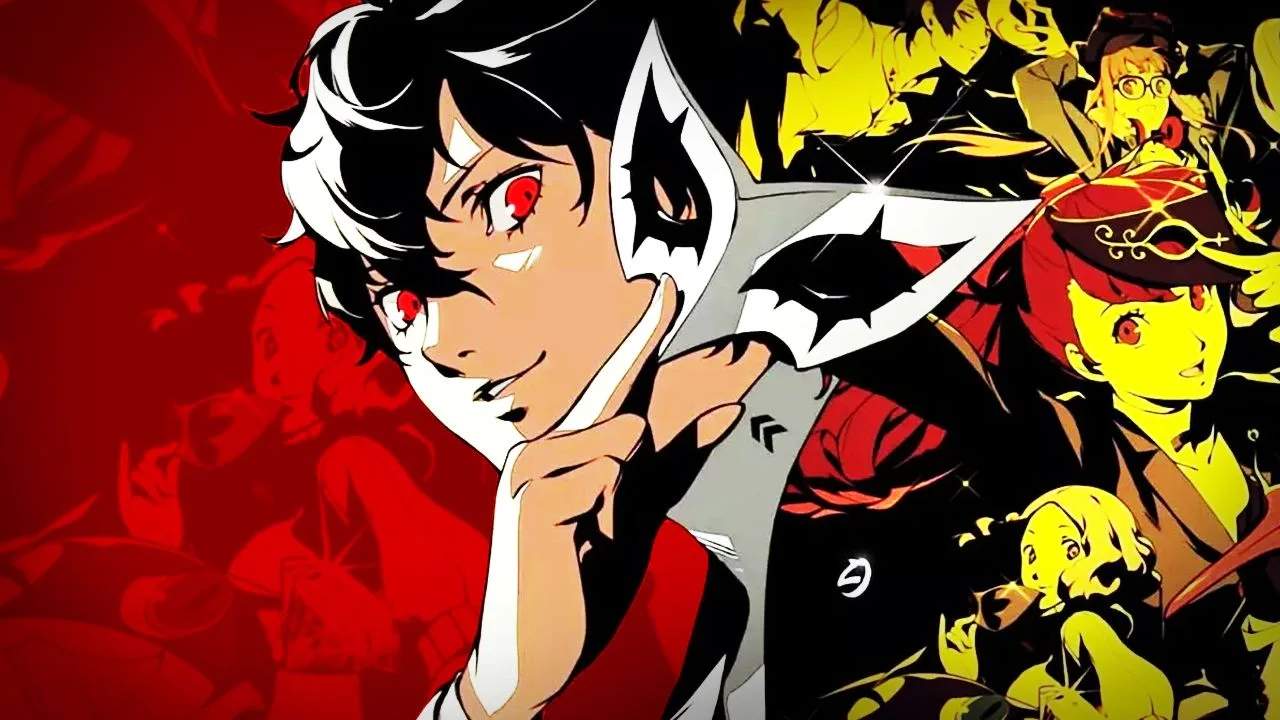
- Art and Literature: The game's visual style, particularly its use of bold typography and graphic des, is influenced by art movements like Art Nouveau and Japanese woodblock prints (Ukiyo-e). Literary themes of rebellion and societal critique are also prevalent.
- Social Commentary: Persona 5 Royal tackles mature themes such as corruption in education, the pressures of the workplace, and the struggles of marginalized individuals. These reflect real-world issues within Japanese society.
- Urban Life: The depiction of Tokyo is meticulously detailed, capturing the essence of urban living, from the fashion and trends to the daily routines and social dynamics.
- Symbolism: Masks, rebellion, and the concept of duality are recurring motifs, drawing from various cultural and psychological interpretations.
The seamless integration of these cultural elements elevates Persona 5 Royal beyond a simple JRPG, offering a nuanced exploration of society and human nature. Understanding these references can sificantly enhance the player's appreciation of the game's intricate world-building and thematic depth.