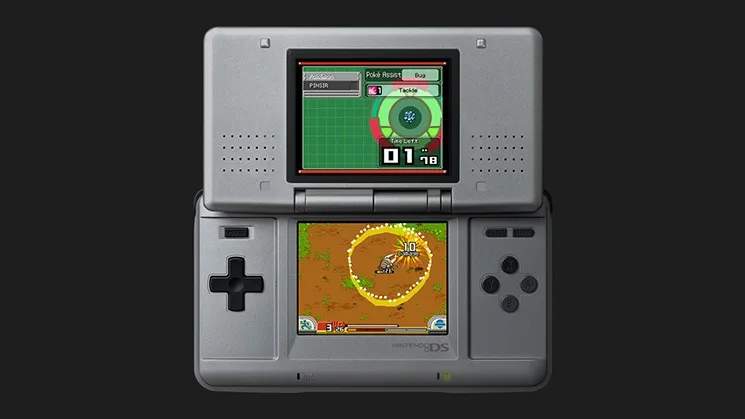
Difficulty Settings & Options
While Pokémon Ranger doesn't feature traditional difficulty sliders like "Easy" or "Hard" found in many RPGs, the game offers a nuanced approach to challenge through its core mechanics and optional content. Mastering these elements is key to tailoring your experience, whether you seek a smoother journey or a true test of your Ranger skills.
Understanding the Core Challenge
The primary "difficulty" in Pokémon Ranger stems from the Styler's Capture Line mechanic and the strategic use of Pokémon Assists and Field Moves. Your Styler's Energy Gauge and Capture Line length are your most critical resources. A lower Styler Energy Gauge (due to taking damage from Pokémon attacks) or a shorter Capture Line (often a result of Styler upgrades) inherently increases the challenge of capturing Pokémon.
Styler Upgrades and Their Impact
As you progress through the story and complete missions, you'll earn opportunities to upgrade your Capture Styler. While these upgrades generally make your Styler more powerful, some choices can subtly influence difficulty:
- Energy Gauge Upgrades: Prioritizing these upgrades early on (e.g., after Mission 2, when you first visit Ringtown's Ranger Base and can access the upgrade terminal) will provide a larger buffer against Pokémon attacks, effectively making captures "easier" by allowing more mistakes. A full Energy Gauge is crucial for longer, more complex captures.
- Capture Line Upgrades: These upgrades increase the length of your Capture Line, making it easier to encircle larger or faster Pokémon. However, a longer line also means more loops are required for a successful capture, which can be a double-edged sword if you're struggling with precision or speed. Consider your personal capture style when prioritizing these.
- Charge Time Upgrades: Reducing the charge time for your Styler's attacks (like the "Charge" Field Move) can make certain encounters feel less challenging, as you can stun or weaken Pokémon more frequently.
Strategic Options for Managing Difficulty
1. Pokémon Assists: Your Tactical Edge
The strategic deployment of Pokémon Assists is the most direct way to influence the difficulty of any capture encounter. Each Pokémon type offers a unique Assist that can either damage, stun, or otherwise hinder a wild Pokémon, making it easier to loop them.
- Early Game Examples:
- Pichu's Electric Assist (Rookie Mission): Essential for stunning the aggressive Zigzagoon. Without it, the Zigzagoon's quick movements make it a much tougher early capture.
- Torchic's Fire Assist (Mission 1): Useful for damaging Grass-type Pokémon, reducing the number of loops needed.
- Mudkip's Water Assist (Mission 1): Excellent for soaking Fire-type Pokémon, making them less aggressive or easier to capture.
- Mid to Late Game Strategy: Always aim to have a diverse team of Partner Pokémon and captured Pokémon with varied Assists. Before engaging a difficult Pokémon, assess its type and movement patterns. For example, a fast-moving Flying-type like Pidgeotto can be grounded with an Electric Assist, while a heavily armored Rock-type like Geodude might benefit from a Fighting Assist to break its defenses.
- Location-Specific Preparation: Before entering areas known for challenging Pokémon (e.g., the Fiore Temple or the Go-Rock Squad's hideouts), ensure your party includes Pokémon with Assists that counter the prevalent types you expect to encounter. For instance, bringing a strong Water-type Assist is invaluable in areas with many Fire-type Pokémon.
2. Field Moves: Overcoming Environmental Obstacles
While not directly affecting capture difficulty, Field Moves can indirectly ease your journey by opening new paths, revealing hidden items, or bypassing environmental hazards that might otherwise drain your Styler's energy or force you into unnecessary encounters.
- Common Field Moves and Their Uses:
- Cut (e.g., from Oddish, Bellsprout): Clears thorny bushes blocking paths, preventing Styler damage from walking through them. Crucial in areas like the Olive Jungle.
- Smash (e.g., from Machop, Geodude): Breaks rocks that impede progress. Useful for uncovering shortcuts or accessing optional areas with valuable items.
- Soak (e.g., from Squirtle, Marill): Extinguishes fires. Essential for progressing through fiery zones and preventing Styler damage.
- Burn (e.g., from Charmander, Vulpix): Melts ice or burns obstacles. Important for navigating icy caverns or clearing specific blockades.
- Strategic Item Acquisition: Using Field Moves to access hidden areas can lead to finding valuable items like Styler Energy Refills or Capture Line Boosts, which directly mitigate difficulty by restoring your resources. Always explore thoroughly!
3. Ranger Rank and Partner Pokémon
Your Ranger Rank, which increases by completing missions and capturing many Pokémon, directly influences the strength of your Styler and the effectiveness of your Partner Pokémon. A higher Ranger Rank means more powerful Styler attacks and more potent Partner Pokémon Assists, making all subsequent challenges comparatively easier.
- Grinding for Rank: If you find yourself struggling with a particular mission or boss, consider taking on some optional quests or simply capturing several Pokémon in accessible areas to boost your Ranger Rank. Every capture contributes to your overall experience.
- Partner Pokémon Evolution: Your Partner Pokémon (Minun or Plusle, depending on your choice) gains new abilities and stronger Assists as your Ranger Rank increases. Don't underestimate their utility in tough spots!
Self-Imposed Challenges (Advanced Players)
For veteran Rangers seeking a greater challenge, consider these self-imposed restrictions:
- "No Assist" Runs: Attempt to capture Pokémon without using any Pokémon Assists. This demands precise Styler control and a deep understanding of each Pokémon's movement patterns.
- Minimal Styler Upgrades: Play through the game with as few Styler upgrades as possible, relying solely on your skill and strategic Pokémon choices.
- Limited Partner Pokémon Use: Restrict the use of your Partner Pokémon's Assist to only critical situations.
By understanding and manipulating these mechanics, you can effectively adjust the "difficulty" of your Pokémon Ranger adventure to match your preferred playstyle and skill level.