Introduction
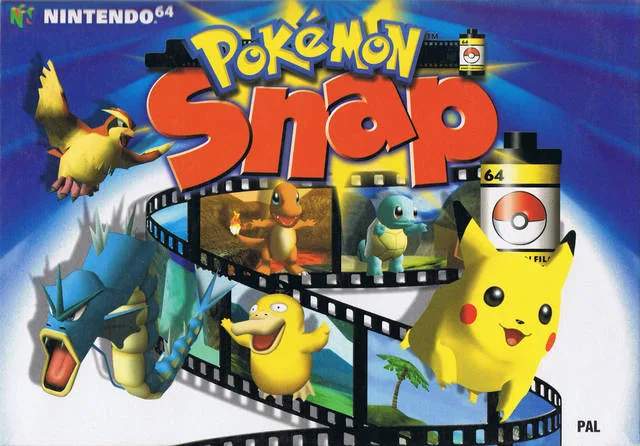
Welcome, aspiring Pokémon photographers, to the ultimate guide for mastering Pokémon Snap! Professor Oak has entrusted you, Todd Snap, with a crucial mission: venture into the diverse ecosystems of Pokémon Island and capture stunning photographs of wild Pokémon in their natural habitats. Your goal isn't just to snap pictures, but to document unique behaviors, uncover hidden secrets, and ultimately help Professor Oak complete his Pokémon Report. This guide will equip you with the knowledge and strategies needed to become a Pokémon photography master, regardless of whether you're playing on the classic Nintendo 64, the Wii, Wii U, or the Nintendo Switch.
The Basics of Photography and Controls
Your primary tool is the Zero-One vehicle, which automatically navigates each course. While you can't steer, you can control your camera and various items to interact with the environment and the Pokémon within it. Understanding the controls is paramount to capturing those perfect shots. Please note that while the core functionality remains consistent across platforms, button assignments may vary slightly. This guide will primarily reference the Nintendo 64 controls, as they are the foundational scheme.
Nintendo 64 Controls Reference
The following table outlines the standard Nintendo 64 button assignments for Pokémon Snap:
| Action | N64 Button | Description |
|---|---|---|
| Snap Photo | A Button | Press to take a photograph. Timing and framing are everything! |
| Aim/Zoom Camera | Z Button | Hold to zoom in with your camera, allowing for more precise framing. |
| Throw Pokémon Food (Apple) | C-Up Button | Toss an Apple. Use it to lure Pokémon closer, make them perform specific actions, or even wake them up. |
| Throw Pester Ball | C-Down Button | Launch a Pester Ball. These can startle Pokémon, make them move, or reveal hidden ones. |
| Play Poké Flute | B Button | Play a melody. The Poké Flute can wake sleeping Pokémon, make them dance, or trigger special reactions. There are three different melodies; cycle through them with repeated presses. |
| Look Around (Free Camera) | Control Stick | Move the Control Stick to pan your camera view horizontally and vertically. |
| Center Camera | C-Left Button | Resets your camera view to the default forward-facing position. |
| View Album | Start Button | Pause the game and access your photo album during a course. |
Scoring and Progression
After each run, Professor Oak will meticulously evaluate your photos. Your score for each Pokémon is based on several crucial factors:
- Size: How large the Pokémon appears in the frame. Generally, the closer and larger the Pokémon, the higher the score. Aim for full-body shots when possible, but close-ups of faces can also score well if the pose is unique.
- Pose: The action the Pokémon is performing. Unique, rare, or dynamic poses (e.g., attacking, dancing, flying, interacting with another Pokémon) earn significantly more points than a static pose. Experiment with items to trigger these special animations.
- Technique: How well the Pokémon is centered in the shot. A perfectly centered Pokémon will receive a bonus. The game's reticle helps with this.
- Other Pokémon: If other Pokémon are visible in the frame, especially interacting with the subject Pokémon, you can earn bonus points. This encourages capturing environmental storytelling.
- Special Bonus: Occasionally, Professor Oak will award a "Special Bonus" for capturing a particularly rare event, a Pokémon in an unusual location, or a unique interaction that he finds especially noteworthy. These are often tied to specific secrets or item usage.
Your total score for a course determines your progression. Reaching specific score milestones will unlock new courses, new items, and even new areas within existing courses. Don't be afraid to replay courses multiple times to improve your scores and discover everything there is to see. Each course has a maximum potential score; striving for this will ensure rapid progression.
Unlocking New Areas and Items: A Roadmap to Discovery
Progression in Pokémon Snap is largely tied to your photo scores and discovering specific Pokémon or events. Professor Oak will only grant you access to new areas and items once you've proven your photographic prowess. Here's a general roadmap:
- Beach: Your starting point. Focus on getting good shots of the basic Pokémon here (Pikachu, Lapras, Doduo, Butterfree, Chansey, Eevee, Snorlax, Meowth, Magikarp) to earn enough points to unlock the next course. Pay attention to the signs of interaction, such as the surfing Pikachu.
- Tunnel: Unlocked after achieving a satisfactory score on the Beach. Here you'll encounter new Pokémon like Zapdos, Diglett, Dugtrio, and Electabuzz. This course is crucial for unlocking your first interactive item: the Pester Ball. To obtain it, you typically need to photograph a certain number of unique Pokémon or reach a specific cumulative score across courses. The Pester Ball allows you to interact with Pokémon in new ways, often startling them or knocking them out of hiding.
- Volcano: Requires a good score on the Tunnel course. This fiery landscape introduces more challenging photo opportunities with Pokémon such as Charmander, Vulpix, Rapidash, Magmar, and Arcanine. It's often in this course, after demonstrating proficiency with the Pester Ball, that Professor Oak will entrust you with the Poké Flute. This item is invaluable for waking sleeping Pokémon, making them dance, or triggering unique reactions. Experiment with its three distinct melodies.
- River: Accessible after a strong performance in the Volcano. The River course features flowing water and unique interactions with Pokémon like Poliwag, Shellder, Cloyster, Vileplume, Slowpoke, Slowbro, and Bulbasaur. Keep an eye out for opportunities to use your items to influence the environment, such as knocking a Slowpoke into the water to evolve it.
- Cave: Unlocked by excelling in the River course. The dark, mysterious Cave holds many secrets and unique Pokémon such as Zubat, Grimer, Muk, Koffing, Weezing, Jynx, and Articuno. This course often requires clever use of your items to illuminate dark areas or coax Pokémon out of hiding. You might even discover the Pokémon Food (Apple) upgrade here, allowing for more precise throws or attracting a wider range of Pokémon.
- Valley: The penultimate course, unlocked after mastering the Cave. Prepare for some epic shots in this treacherous canyon with Pokémon like Squirtle, Starmie, Dratini, Dragonair, and the legendary Mewtwo. This course often combines all the skills you've learned, requiring precise timing and item usage to capture its elusive inhabitants.
- Rainbow Cloud: The final, secret course, unlocked by completing specific tasks across all other courses, often involving photographing all 63 unique Pokémon and uncovering hidden interactions or evolutions. This ethereal course is home to the ultimate photographic challenge: Mew. Accessing this course signifies your mastery of Pokémon photography.
Remember, exploration and experimentation are key. Throw Apples, launch Pester Balls, and play the Poké Flute everywhere. You never know what hidden Pokémon or unique photo opportunities you might uncover! Don't be afraid to revisit courses with newly acquired items, as they often open up entirely new pathways and interactions that were previously inaccessible.