Version Differences (Sun vs. Moon)
Welcome, aspiring Alola Champion! While Pokémon Sun and Pokémon Moon share a captivating storyline and the beautiful Alola region, there are crucial differences that can significantly impact your gameplay experience, team composition, and even your daily routine within the game. Understanding these nuances is key to making the most of your adventure, whether you're a seasoned trainer or just starting out. the specifics!
Time Cycle
Perhaps the most fundamental difference between the two versions lies in their time cycles. This isn't just a cosmetic change; it directly affects which Pokémon you encounter and when.
- Pokémon Sun: The in-game time cycle mirrors your Nintendo 3DS system's clock. If it's daytime in real life, it's daytime in Alola.
- Pokémon Moon: The in-game time cycle is inverted. If it's daytime in real life, it's nighttime in Alola, and vice-versa. This means a 12-hour difference compared to your system clock.
Strategy Tip: This time difference is vital for catching specific Pokémon that only appear during certain times of day. For example, if you're playing Pokémon Sun and want to catch a Cottonee (which appears during the day), you'll need to play during the daytime. If you're playing Pokémon Moon and want to catch a Vullaby (which appears at night), you'll need to play during the daytime in real life to experience nighttime in Alola. Plan your hunting sessions accordingly!
Exclusive Pokémon
Both versions feature a unique roster of Pokémon that can only be found in that specific game. To complete your Alola Pokédex, you'll need to trade with a player who owns the opposite version.
Pokémon Sun Exclusives
These Pokémon can only be caught in Pokémon Sun:
- Vulpix (Alolan Form) & Ninetales (Alolan Form): Found on Mount Lanakila. Alolan Vulpix is an Ice-type, evolving into the Ice/Fairy Alolan Ninetales.
- Cranidos & Rampardos: Can be obtained via the Fossil Reviver on Route 8. Cranidos is a Rock-type, evolving into the Rock-type Rampardos.
- Tirtouga & Carracosta: Also obtained via the Fossil Reviver on Route 8. Tirtouga is a Water/Rock-type, evolving into the Water/Rock-type Carracosta.
- Rufflet & Braviary: Rufflet can be found on Route 3. Braviary is a Normal/Flying-type.
- Cottonee & Whimsicott: Cottonee can be found in various grassy areas like Route 4 and Route 5. Whimsicott is a Grass/Fairy-type.
- Passimian: Found in Lush Jungle. This Fighting-type Pokémon is a strong physical attacker.
- Turtonator: Found in Blush Mountain. This Fire/Dragon-type offers a unique type combination.
- Solgaleo: The legendary mascot of Pokémon Sun, a Psychic/Steel-type. You will encounter Solgaleo as part of the main story.
- UB-02 Absorption (Buzzwole): One of the Ultra Beasts, a Bug/Fighting-type, encountered during the post-game Ultra Beast quest.
Pokémon Moon Exclusives
These Pokémon can only be caught in Pokémon Moon:
- Sandshrew (Alolan Form) & Sandslash (Alolan Form): Found on Mount Lanakila. Alolan Sandshrew is an Ice-type, evolving into the Ice/Steel Alolan Sandslash.
- Shieldon & Bastiodon: Can be obtained via the Fossil Reviver on Route 8. Shieldon is a Rock/Steel-type, evolving into the Rock/Steel-type Bastiodon.
- Archen & Archeops: Also obtained via the Fossil Reviver on Route 8. Archen is a Rock/Flying-type, evolving into the Rock/Flying-type Archeops.
- Vullaby & Mandibuzz: Vullaby can be found on Route 3. Mandibuzz is a Dark/Flying-type.
- Petilil & Lilligant: Petilil can be found in various grassy areas like Route 4 and Route 5. Lilligant is a Grass-type.
- Oranguru: Found in Lush Jungle. This Normal/Psychic-type Pokémon is known for its support capabilities.
- Drampa: Found in Mount Lanakila. This Normal/Dragon-type is a special attacker.
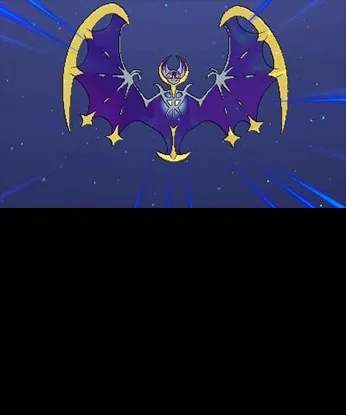
- Lunala: The legendary mascot of Pokémon Moon, a Psychic/Ghost-type. You will encounter Lunala as part of the main story.
- UB-02 Beauty (Pheromosa): One of the Ultra Beasts, a Bug/Fighting-type, encountered during the post-game Ultra Beast quest.
Totem Pokémon Battles
While the Totem Pokémon you face are generally the same, their summoned allies can differ, subtly altering the challenge of these crucial trials.
- Totem Lurantis (Sun): Summons Castform and Trumbeak. Castform can change weather, while Trumbeak provides support.
- Totem Lurantis (Moon): Summons Castform and Comfey. Comfey can heal and provide status support.
Strategy Tip: Be mindful of these differences! For example, against Totem Lurantis in Moon, prioritize taking out Comfey to prevent it from healing the Totem Pokémon. In Sun, Trumbeak's attacks might be more direct, so focus on managing its damage output.
Version-Exclusive NPCs and Events
Minor NPCs and some small in-game events can also vary between versions, though these typically don't impact the main story significantly.
- Festival Plaza: Certain facilities and their available items or services might have slight variations, encouraging trading with players from the other version to access everything.
- Daily Events: Some daily events or encounters might be tied to the specific time cycle of your game, meaning you'll experience them at different real-world times depending on your version.
Conclusion
The differences between Pokémon Sun and Pokémon Moon are substantial enough to warrant careful consideration when choosing your version. From the inverted time cycle in Moon to the unique roster of exclusive Pokémon and even subtle changes in Totem battles, each version offers a distinct flavor of the Alola adventure. Remember, the best way to experience everything Alola has to offer is to engage in trades with friends who own the opposite version!