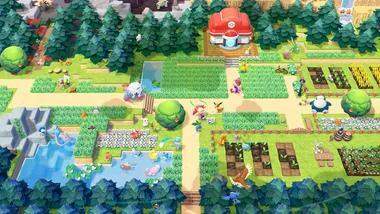
As your Pokopian settlement grows, the need to expand your territory becomes paramount. This expansion isn't just about acquiring more space; it's about strategically claiming areas rich in specific resources, unlocking new biomes, and establishing outposts that cater to different needs. The process of territorial expansion often involves clearing obstacles, completing specific quests for local inhabitants, or investing in advanced building technologies that allow you to claim and develop previously inaccessible land. Each new territory you claim offers unique opportunities and challenges.
Careful planning is essential when deciding where to expand. Consider the proximity to vital resource nodes, the potential for attracting specific Pokémon species, and the defensive advantages of the terrain. Expanding into a new biome, for instance, will grant you access to entirely new sets of resources and Pokémon, diversifying your settlement's capabilities. Mastering the art of territorial expansion is key to unlocking the full potential of Pokopia and building a thriving, self-sufficient community that can withstand any challenge.
Strategies for Expanding Your Territory:
- Resource Node Claiming: Prioritize expanding towards areas with abundant Ironwood, Gemstone Veins, or fertile soil to secure essential resources.
- Biome Unlocking: Certain expansion efforts will be tied to unlocking new biomes, granting access to unique Pokémon and crafting materials.
- Quest-Based Expansion: Complete specific quests for NPCs or factions to gain the right to develop new land parcels.
- Technological Prerequisites: Advanced expansion might require researching and crafting specific technologies, such as specialized clearing equipment or land claim beacons.
- Strategic Outpost Placement: Establish smaller outposts in newly claimed territories to facilitate resource gathering and Pokémon observation.
- Defensive Considerations: Choose expansion areas that offer natural defensive advantages or can be easily fortified against potential threats.