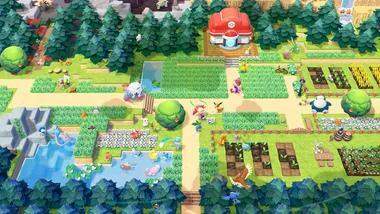
Understanding Pokémon preferences and habitats is fundamental to building a successful and diverse Pokopia. Each Pokémon species has unique requirements for where they feel most comfortable and how they interact with their surroundings. For example, Torkoal, a Fire-type Pokémon, is naturally found in warmer, drier environments. When restoring the Rocky Ridges Pokémon Center, you might notice that areas with exposed rock and minimal vegetation are more likely to attract Torkoal. Creating such an environment, perhaps by clearing away excess foliage or strategically placing rock formations, can significantly increase your chances of encountering and befriending one.
Conversely, Pokémon that thrive in lush, damp environments will require different habitat conditions. If you're aiming to attract Grass-type or Water-type Pokémon, you'll need to focus on areas with ample water sources, fertile soil, and dense vegetation. This might involve crafting and utilizing advanced watering tools to maintain consistent moisture levels or planting specific types of flora that these Pokémon are drawn to. The game mechanics likely involve a system where the presence of certain environmental elements directly influences the probability of a Pokémon appearing. For instance, a high "Humidity" stat in a specific zone, achieved through careful landscaping and perhaps the presence of other Water-type Pokémon, could be a prerequisite for encountering species like Poliwag or Wooper.
Beyond basic habitat needs, Pokémon also have preferences for social interaction and activity. Some Pokémon might prefer quiet, secluded areas, while others are drawn to bustling hubs of activity. If you're aiming to attract Pokémon that enjoy social interaction, you might want to establish a communal area within your Pokopia, perhaps near a restored Pokémon Center or a shared crafting space. The source material mentions "regular multiplayer" and "GameShare," suggesting that the social dynamics of your Pokopia might extend to interactions with other players, further influencing Pokémon behavior. By carefully observing which Pokémon appear in different settings and experimenting with various environmental setups, you can develop a deep understanding of their individual needs and preferences, leading to a richer and more rewarding Pokopia experience.