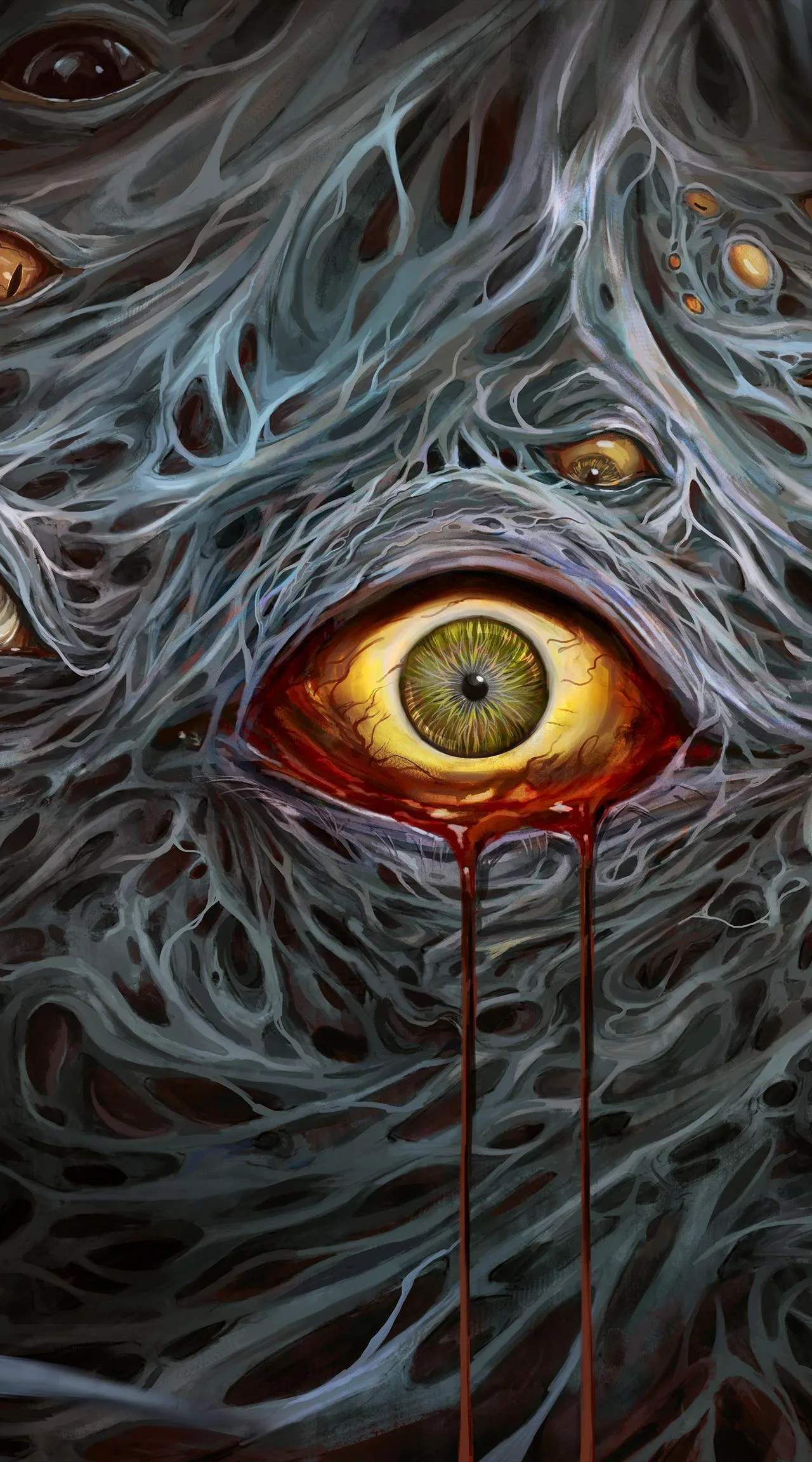
Story & Lore Summary
Welcome, survivor. This section delves deep into the unsettling narrative and cryptic lore of Post Trauma, offering a comprehensive overview of the game's events, key characters, and the chilling mysteries you'll uncover. Understanding the story is crucial not only for immersion but also for deciphering environmental clues and making informed decisions that can impact your journey.
The Premise: A Nightmare Begins
You awaken as Roman, a middle-aged train conductor, in a surreal and decaying environment that is clearly not your home. The initial moments establish a profound sense of disorientation and dread. Your primary objective, which quickly becomes an obsession, is to find your daughter, Sarah. This paternal drive is the emotional core of your struggle against the horrors that infest this twisted reality.
Initial Disorientation and the Train Wreck
- Starting Location: You begin in what appears to be the wreckage of a train, or perhaps a twisted manifestation of one. The environment is dark, claustrophobic, and immediately hostile.
- First Clues: Look for scattered personal effects, including a partially burned photograph of Sarah. This item reinforces your connection to her and fuels your desperate search.
- Initial Threat: The first encounters with the grotesque, humanoid creatures are designed to disorient and instill fear. These aren't just monsters; they are distorted reflections of human suffering, hinting at the psychological nature of the trauma.
Unraveling the Mystery: Echoes of a Past
As you progress, the environment shifts between mundane, recognizable locations (like an apartment building or a hospital) and utterly nightmarish distortions of them. These shifts are not random; they are tied to Roman's memories and the traumatic event that plunged him into this reality.
Key Locations and Their Significance
- The Apartment Building: This location often appears early in the game. It's a distorted version of Roman's home or a similar residential complex.
- Item of Note: In the kitchen area, search for a "Child's Drawing" depicting a family. This often triggers a brief, unsettling flashback or a whispered memory of Sarah.
- Lore Implication: The state of disrepair and the presence of strange growths or shadowy figures in familiar rooms suggest a corruption of Roman's past and domestic life.
- The Hospital/Medical Facility: A recurring and particularly disturbing environment. This area is often linked to the source of the "trauma" itself.
- Actionable Step: In the abandoned operating theater, locate the "Patient's Chart" on a gurney. This document contains cryptic medical jargon and mentions of experimental procedures, hinting at a larger conspiracy or a scientific explanation for the horrors.
- Lore Implication: The hospital represents a place of pain, experimentation, or perhaps a failed attempt at healing, which has now become a source of the grotesque.
- The Subway/Underground Tunnels: These labyrinthine passages serve as transitions between major areas and often house some of the game's most aggressive entities.
- Strategy: Pay close attention to the graffiti and markings on the walls. Some of these are not random vandalism but cryptic messages or warnings left by previous victims or even Roman's subconscious. Look for symbols that reappear, such as the "Eye of Anguish" symbol, which often precedes a significant encounter or revelation.
- Lore Implication: The tunnels symbolize a descent into the subconscious, a journey through the hidden and forgotten aspects of Roman's trauma.
The Nature of the Entities: Manifestations of Trauma
The creatures you encounter are not merely monsters; they are physical manifestations of psychological distress, guilt, and fear. Each type often has a thematic connection to Roman's past or the overarching narrative.
Common Enemy Types and Their Lore
- The "Whisperers": These amorphous, shadowy figures often appear in peripheral vision. They are not directly aggressive but inflict sanity damage if observed for too long.
- Lore Connection: Represent Roman's suppressed memories and the insidious nature of his trauma, constantly lurking at the edge of his perception.
- The "Gravekeepers": Heavily armored, slow-moving entities that guard key areas. They are highly resistant to damage.
- Strategy: Often best avoided or bypassed using environmental puzzles. Direct confrontation is rarely advisable.
- Lore Connection: Symbolize the burden of guilt or the unaddressed consequences of past actions, protecting the "truth" Roman is trying to uncover.
- The "Screamers": Fast, agile, and highly aggressive creatures that emit disorienting sonic attacks.
- Actionable Step: When a Screamer is present, quickly find cover or use the "Noise Dampening Earplugs" (found in the hospital's staff locker room) to mitigate their sonic assault.
- Lore Connection: Represent the raw, unfiltered pain and terror associated with the traumatic event, overwhelming Roman's senses.
The Core Conflict: Roman's Guilt and Sarah's Fate
The central mystery revolves around what happened to Sarah and Roman's role in it. Through environmental storytelling, journal entries, and fragmented visions, you'll piece together a tragic event that likely involved Roman's negligence or a terrible accident.
Key Narrative Beats
- The Journal Fragments: Scattered throughout the game, these pages (e.g., "Roman's Journal Entry - Page 3" found in the apartment's study) provide Roman's own perspective, often detailing his anxieties, his relationship with Sarah, and the events leading up to the trauma.
- Environmental Storytelling: Pay close attention to details like a child's toy left in a dangerous place, a broken window, or a specific date marked on a calendar. These seemingly minor details often hold crucial narrative weight.
- Visions and Flashbacks: As you collect certain "Memory Shards" (often found near significant lore points), Roman experiences brief, jarring visions. These are not always literal but offer symbolic glimpses into the past.
The Ending: Redemption or Despair?
Post Trauma is known for its multiple endings, each heavily influenced by the player's actions, discoveries, and how they confront the truth. The game doesn't explicitly tell you what happened; it forces you to interpret the fragmented narrative.
Factors Influencing the Ending
- Collection of "Truth Fragments": These are rare, often hidden items (e.g., "Sarah's Locket" found in the final area). Collecting all of them often leads to a more complete, albeit potentially more harrowing, understanding of the trauma.
- Confronting the "Core Trauma Entity": The final boss encounter is less about combat and more about psychological resolution. Your approach (e.g., using specific items to weaken it, or simply enduring its attacks) can influence the outcome.
- Emotional State (Player's Interpretation): The game often leaves the ultimate "truth" ambiguous, allowing players to project their own understanding onto Roman's journey. Did he escape his personal hell, or merely succumb to it?
By meticulously exploring, collecting every scrap of information, and piecing together the narrative fragments, you can hope to guide Roman to some form of resolution, or at least a clearer understanding of the nightmare he inhabits.
Compare story & lore summary inAmnesia: The Dark Descent