Developer Commentary & Insights
Welcome, fellow survivors, to a deeper dive into the unsettling world of Post Trauma. This section pulls back the curtain, offering insights directly from the development team on key design choices, hidden mechanics, and strategies that might not be immediately obvious. Understanding the "why" behind certain elements can significantly enhance your experience and even help you overcome some of the game's most daunting challenges.
The "Unseen Threat" Mechanic
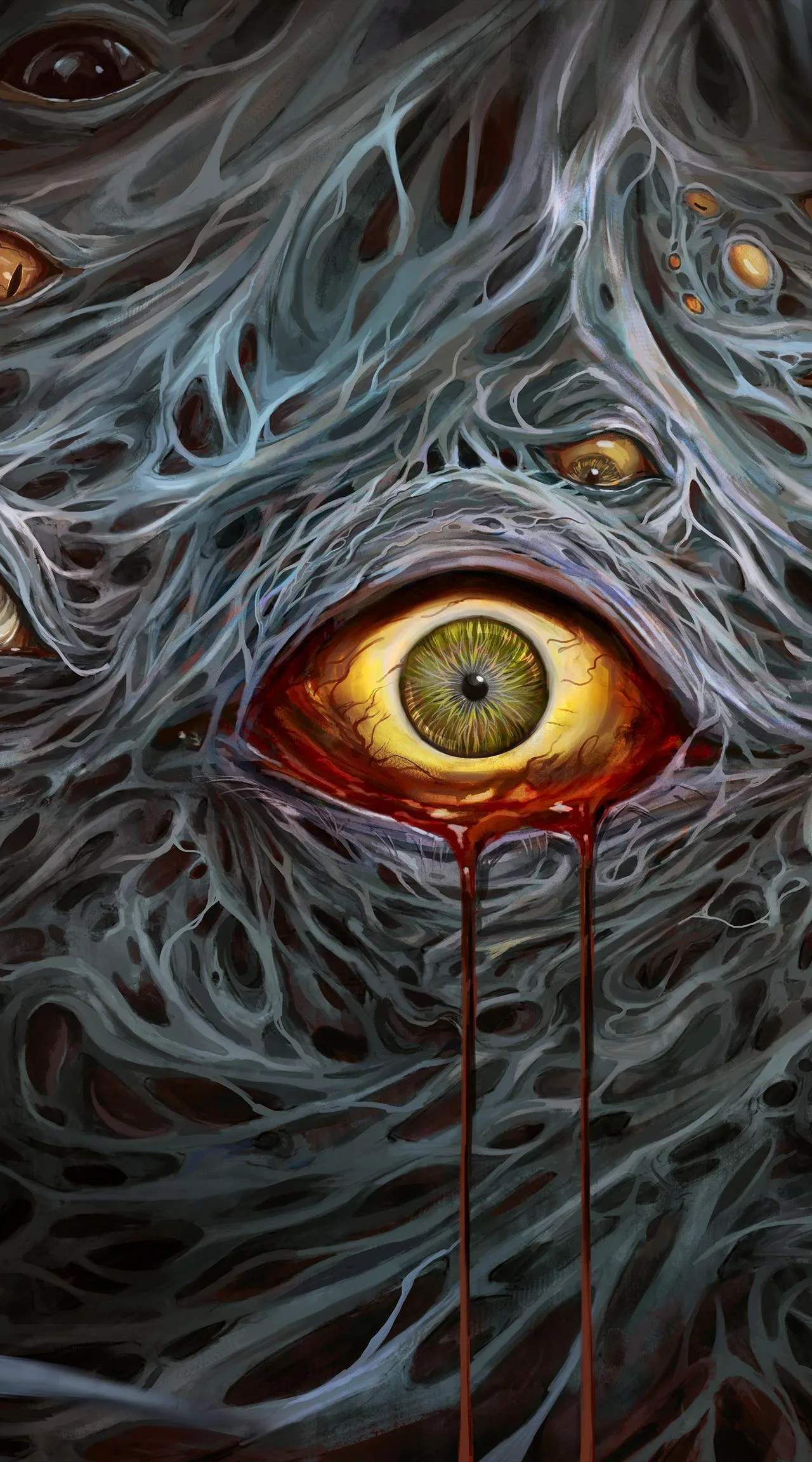
One of the core tenets of Post Trauma's horror is the feeling of being constantly watched, even when no visible enemy is present. The developers implemented a subtle "Unseen Threat" mechanic that influences player sanity and environmental cues.
- How it Works: This system tracks your exposure to specific environmental triggers, such as prolonged darkness, unsettling sounds (e.g., distant whispers in the Abandoned Hospital, faint scratching in the Submerged Sewers), and even the lingering presence of defeated entities. The higher your "Unseen Threat" level, the more pronounced these effects become.
- Identifying Triggers: Pay close attention to subtle shifts in ambient sound design. A sudden increase in low-frequency hums or the sensation of a cold spot in a room often indicates a rising Unseen Threat. Your character's breathing might also become more ragged.
- Mitigation Strategies:
- Light Sources: While scarce, utilizing your Flashlight or activating environmental light sources (e.g., flickering fluorescent lights in the Research Facility) can temporarily reduce the Unseen Threat in an area.
- Safe Zones: Certain areas, often marked by a faint, warm glow or the absence of unsettling sounds, are designated "Safe Zones." Lingering in these areas for a short period can help reset your Unseen Threat level. An example is the small, boarded-up room near the start of the Residential Block.
- "Focus" Ability: Early in the game, you acquire the "Focus" ability. While primarily used for puzzle-solving, a brief activation of Focus can momentarily disrupt the Unseen Threat's influence, offering a brief reprieve.
- Developer Insight: "We wanted players to feel a pervasive sense of dread, not just jump scares. The Unseen Threat is our way of creating that psychological pressure, making you question what's real and what's just your mind playing tricks." - Lead Designer.
Environmental Storytelling & Hidden Lore
The world of Post Trauma is rich with unspoken narratives. The developers intentionally scattered clues, documents, and environmental details to piece together the overarching story and the origins of the horrors you face.
- Specific Examples:
- "Patient Records" (Item): Found in the Abandoned Hospital, specifically in the Doctor's Office on the second floor. These documents often contain cryptic notes about experimental treatments and the deteriorating mental states of patients, hinting at the facility's dark past.
- "Journal Entries" (Item): Discovered throughout the Research Facility, particularly in the living quarters and laboratories. These personal accounts detail the researchers' descent into madness and their increasingly unethical experiments. Look for them tucked away in desks or on shelves.
- Graffiti & Markings: Pay close attention to the walls in the Submerged Sewers and the Residential Block. Some markings are purely environmental, but others are coded messages or warnings left by previous survivors. The developers confirm that certain recurring symbols, like the "Spiral Mark," are crucial to understanding the game's deeper lore.
- Actionable Steps:
- Thorough Exploration: Don't rush through areas. Check every corner, behind overturned furniture, and inside unlocked cabinets. Many lore items are intentionally placed off the main path.
- Re-examine Familiar Areas: As your understanding of the world grows, revisit earlier locations. New interpretations of previously seen environmental details might emerge.
- Connect the Dots: The narrative is fragmented. Keep a mental (or even physical) note of recurring themes, names, and events. The true horror often lies in piecing together the full picture.
- Developer Insight: "We believe the most terrifying stories are the ones you construct yourself. We've laid out the breadcrumbs; it's up to You to follow them and uncover the full, disturbing truth." - Narrative Director.
Enemy Design & Behavioral Patterns
Each enemy in Post Trauma is designed with specific behavioral patterns and weaknesses, often reflecting their origins within the game's lore. Understanding these can be the difference between survival and a gruesome end.
- The "Shambler" (Common Enemy):
- Location: Predominantly found in the Abandoned Hospital and early sections of the Residential Block.
- Behavior: Slow-moving, but relentless. They are attracted to light and sound. Their primary attack is a close-range swipe.
- Strategy:
- Stealth: Often, the best approach is to avoid direct confrontation. Crouch and use environmental cover.
- Distraction: Throwing a Broken Bottle or activating a noisy object (e.g., a ringing phone in the Residential Block) can draw their attention away.
- Weak Point: A well-aimed shot with the Rusty Pipe or Revolver to the head will stun them, allowing for a follow-up attack or escape. They are surprisingly resilient to body shots.
- The "Whisperer" (Mid-Game Enemy):
- Location: First encountered in the Research Facility, later appearing in the Submerged Sewers.
- Behavior: Highly sensitive to sound, they move quickly and can phase through certain obstacles. Their "whispers" disorient the player, increasing the Unseen Threat.
- Strategy:
- Silence is Key: Avoid running or making unnecessary noise when a Whisperer is nearby.
- Environmental Traps: In the Research Facility, look for areas with exposed electrical wires or unstable shelving. Luring a Whisperer into these can create temporary openings.
- Light Vulnerability: Prolonged exposure to your Flashlight beam will briefly stun them, but drains battery quickly. Use sparingly.
- Developer Insight: "We wanted each enemy to feel distinct, not just visually, but in how they force You to adapt. The Whisperer, for instance, is a direct challenge to the player's reliance on sound cues and encourages a more cautious, deliberate pace." - AI Programmer.
By keeping these developer insights in mind, you'll not only navigate the horrors of Post Trauma more effectively but also gain a deeper appreciation for the intricate design and psychological terror the team has crafted. Good luck, and try to hold onto your sanity.