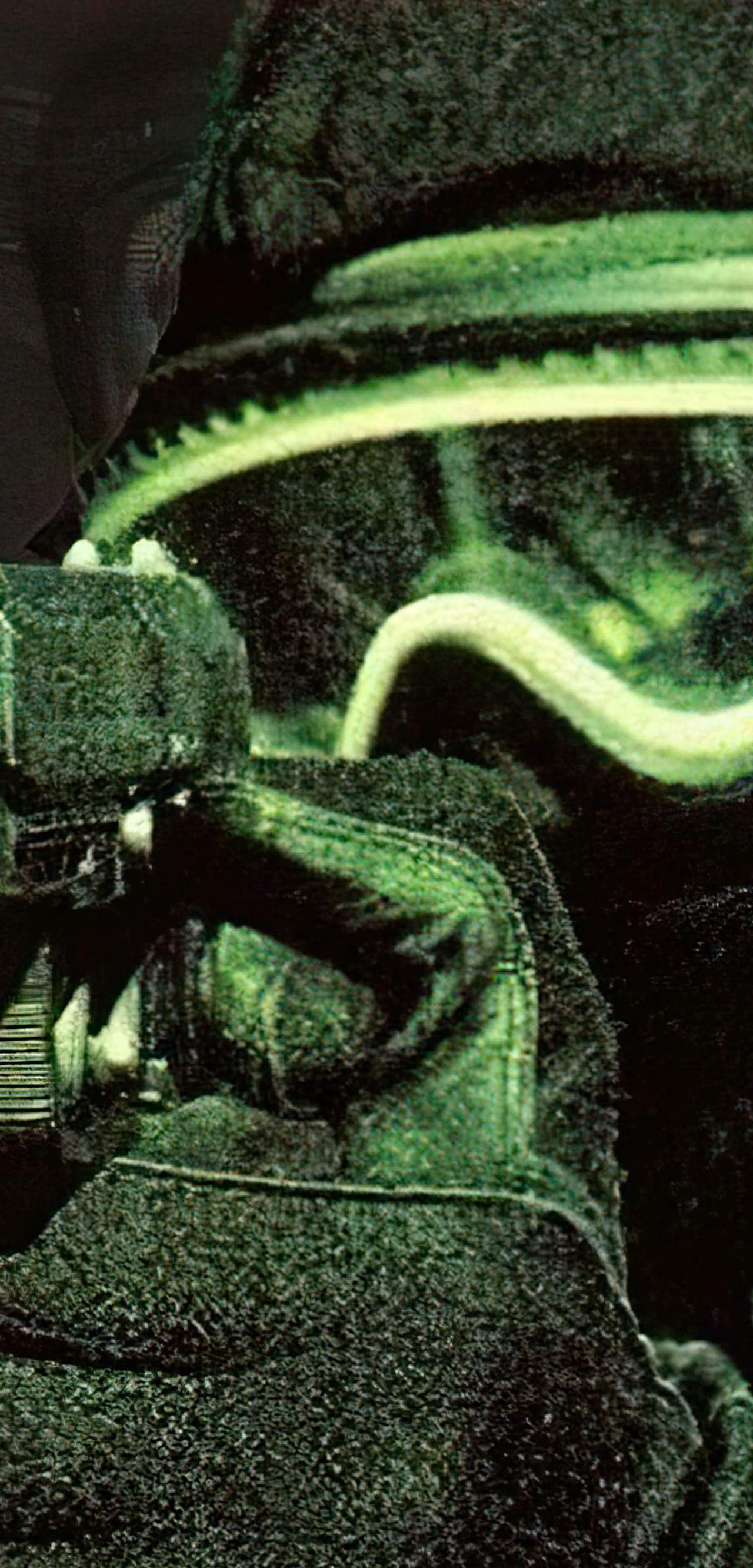
Heartbeat Sensor
The Heartbeat Sensor is a vital piece of reconnaissance equipment in Rainbow Six Mobile, providing operatives with the ability to detect enemy presence through solid surfaces. This handheld device emits a pulse that highlights the movement of living targets within its range, displaying them as blips on a small screen. Its utility is immense, particularly in situations where direct line of sight is impossible, such as navigating through walls or dense foliage. In operations like Mission 5 Operation: Ghost Dance, where stealth and information gathering are paramount, the Heartbeat Sensor can provide crucial intel on enemy patrol routes and hidden positions. By revealing the location of enemies before they are seen, it allows for proactive engagement and the avoidance of ambushes, significantly increasing the survivability of your team.
The effective use of the Heartbeat Sensor requires an understanding of its limitations. It typically has a limited range and can be affected by certain electronic countermeasures or dense materials. Furthermore, stationary enemies may not always be detected, especially if they are not actively moving. Operatives must learn to interpret the sensor's readings, distinguishing between genuine threats and environmental anomalies. The information gathered from the Heartbeat Sensor can inform tactical decisions, such as whether to engage an enemy directly, attempt a flanking maneuver, or use a different approach entirely. In cooperative play, sharing this information with teammates is essential, allowing for coordinated attacks and the efficient clearing of areas. The Heartbeat Sensor is a cornerstone of tactical awareness in Rainbow Six Mobile, contributing to success in diverse environments, from the urban sprawl of Las Vegas to the unknown territories explored in Rainbow Six Extraction.
Interpreting Sensor Readings and Countermeasures
Interpreting the readings from the Heartbeat Sensor is a skill that develops with practice. A single blip might indicate a lone enemy, while multiple blips could suggest a squad or a group of hostiles. the sensor detects movement, so a stationary enemy might not appear on the display. This means that even if the sensor shows clear, it doesn't guarantee the area is completely safe; enemies could be lying in wait. Operatives should use the sensor in conjunction with other intel, such as audio cues or visual confirmation from drones, to build a complete picture of the situation. In missions like Mission 11 Operation: Yellow Knife, where precise enemy placement is often key to the objective, the Heartbeat Sensor can help pinpoint the exact location of guards before initiating an assault.
also be aware of potential countermeasures. While not explicitly detailed in all source material, in the broader context of tactical shooters, certain enemy types or environmental factors might interfere with the Heartbeat Sensor's effectiveness. If the sensor is consistently providing unreliable readings, it might be an indication that the enemy is employing jamming technology or that the operative is in an area with significant electronic interference. A common mistake is to rely solely on the Heartbeat Sensor and neglect other forms of intel gathering. This can lead to being caught off guard by enemies who are aware of the sensor's capabilities and are using tactics to circumvent it, such as moving slowly or using cover effectively. When using the Heartbeat Sensor, it’s advisable to move cautiously and be prepared for contact, even if the sensor indicates no immediate threats. The 15 difficult levels of Rainbow Six Mobile often require a multi-layered approach to intelligence, and the Heartbeat Sensor is a powerful, but not infallible, tool in that arsenal.