Getting Started
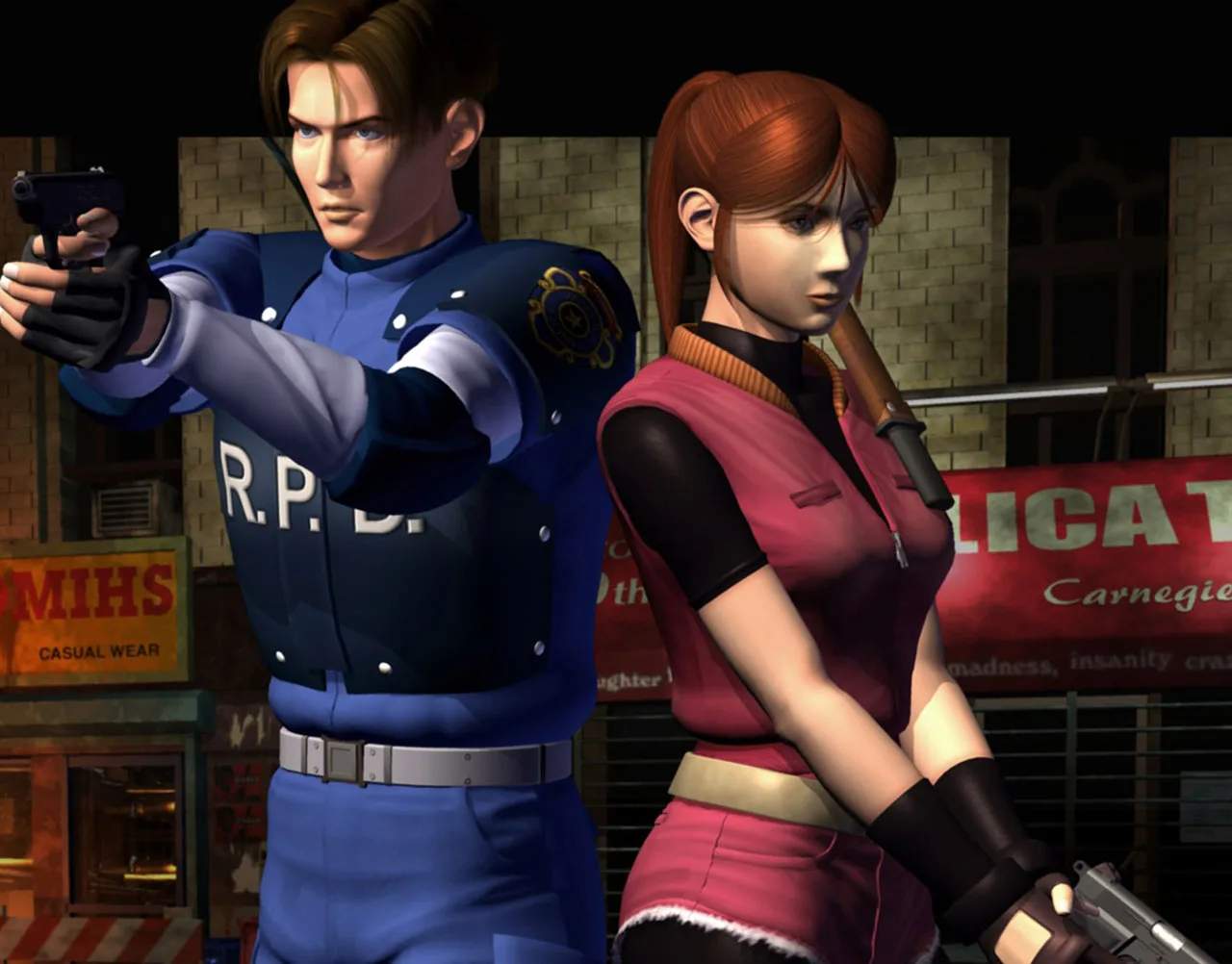
Welcome to Raccoon City! This guide will help you navigate the horrors of Resident Evil 2 (1998) as either Leon S. Kennedy or Claire Redfield. Understanding the game's mechanics, controls, and user interface is crucial for survival. the fundamentals you'll need before diving into the terrifying narrative. Resident Evil 2 offers two distinct scenarios, Leon's and Claire's, each with unique storylines, items, and puzzle solutions, though they share many of the same environments like the Raccoon Police Department (RPD) and the sewers. Mastering the inventory management system is paramount; you have a limited number of slots, forcing difficult decisions about what to carry. Key items like the Handgun Ammo, First Aid Spray, and puzzle-specific keys must be managed carefully. The game's controls are tank-like, requiring players to stop moving to aim and fire their weapons. This deliberate pacing contributes to the tension, as enemies like the iconic Zombies and the relentless Lickers can close the distance quickly. Learning to conserve ammunition by aiming for the head or using environmental hazards is a vital survival tactic. The user interface displays your current health, the number of bullets in your weapon, and any key items you possess. Pay close attention to your health status, indicated by color – green for healthy, yellow for caution, and red for danger. In critical condition, using a First Aid Spray or combining herbs is essential to avoid a swift demise. The game also features a save system, typically tied to typewriters found throughout the environments, allowing you to record your progress. These save points are often scarce, adding another layer of strategic planning to your exploration.
Core Mechanics and Controls
Resident Evil 2 (1998) employs a fixed camera perspective, which, combined with the tank-like controls, creates a sense of vulnerability and suspense. Movement is typically handled with directional inputs: forward to move ahead, backward to retreat, and left/right to turn. To aim your weapon, you must typically stand still. Firing then follows with another button press. This mechanic means that engaging enemies requires careful positioning and timing to avoid taking unnecessary damage. Ammunition is a precious resource, and headshots are often the most effective way to dispatch common enemies like Zombies, conserving valuable bullets. The game features several weapons, each with its own strengths and weaknesses. For instance, the initial Handgun Ammo is plentiful but deals less damage compared to later weapons like the Shotgun or Grenade Launcher. Inventory management is a critical aspect of survival. Players have a limited number of item slots, forcing strategic decisions about what to carry. Essential items include healing supplies like the First Aid Spray, ammunition, and quest-specific items such as keys or puzzle pieces. If your inventory is full, you may need to return to a storage box, often found near save points, to deposit excess items. Understanding the game's health system is also vital. Your character's health is displayed visually, often through a color-coded status. Green indicates full health, yellow sifies caution, and red means you are in critical condition and very close to death. In critical states, using a First Aid Spray or combining herbs is imperative to prevent immediate game over. The save system, typically linked to typewriters, allows players to record their progress. These save points are strategically placed, and their limited availability encourages careful planning of your expeditions into dangerous areas.
Navigating the User Interface and Inventory
The user interface in Resident Evil 2 (1998) is desed to be minimalist, focusing on immersion while providing essential information. Players will see their current health status, often represented by a color-coded bar or icon. Green sifies a healthy state, yellow indicates caution, and red means the character is in critical condition and highly vulnerable. Alongside health, the interface displays the current weapon and the amount of ammunition available for it. This constant reminder of your limited firepower underscores the importance of resource management. The inventory screen is where players will spend a sificant amount of time. Each character, Leon S. Kennedy and Claire Redfield, has a limited number of item slots. This constraint forces players to make tough choices about what to carry. Essential items like Handgun Ammo, First Aid Spray, and crucial quest items, such as the Unicorn Medal, must be prioritized. Items not currently needed can be stored in item boxes, which are typically found near save points, such as typewriters. These boxes act as a shared inventory, allowing players to retrieve items later. Understanding how to combine certain items, like herbs, to create more potent healing items or ammunition is also a key mechanic. For example, combining a Green Herb with a Red Herb creates a more effective healing item than either herb alone. Efficiently managing your inventory and understanding the UI's cues are fundamental to surviving the horrors of Raccoon City and progressing through the game's challenging scenarios.