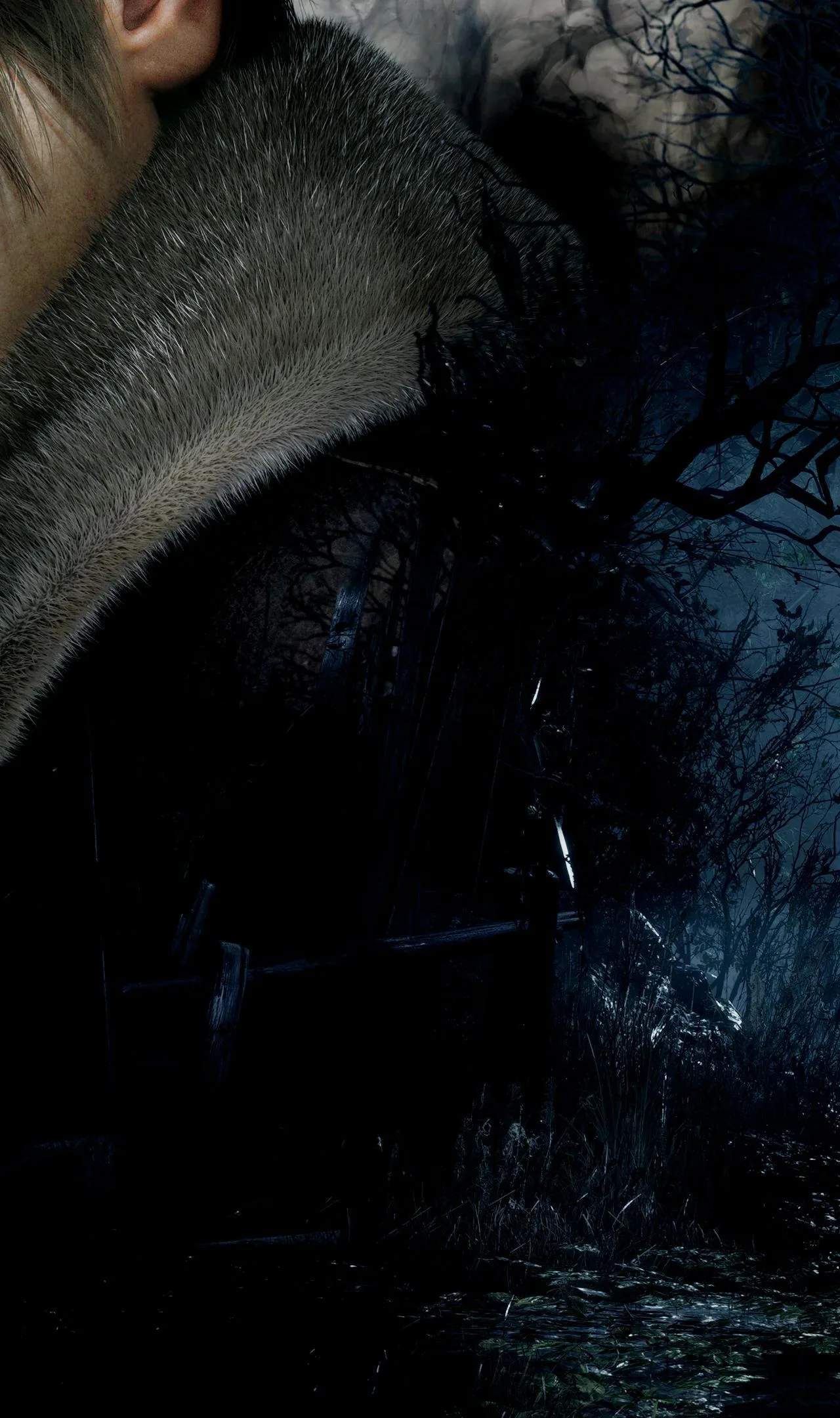
Resident Evil 4 Remake masterfully blends action with psychological horror, creating an unsettling and immersive experience. This guide explores how the game uses atmosphere, sound des, and subtle cues to build tension and keep players on edge, enhancing the overall survival horror feel.
Atmospheric Des
The environments in Resident Evil 4 Remake are meticulously crafted to evoke a sense of dread and isolation. From the dimly lit, rain-soaked village to the oppressive, gothic architecture of the castle, each location is designed to feel unwelcoming and dangerous. The use of shadows, fog, and claustrophobic spaces constantly plays on the player's fear of the unknown.
Sound Des: The Unseen Threat
Sound is arguably the most potent tool in building psychological horror. The game excels at using audio cues to create suspense:
- Ambient Sounds: The creaking of old buildings, distant animal cries, the rustling of unseen enemies in the undergrowth, and the chilling whispers of the Ganados all contribute to a palpable sense of unease.
- Music: The soundtrack is used sparingly but effectively. Sudden shifts to dissonant or intense music sal immediate danger, while moments of quiet can be even more unnerving, suggesting that something is lurking just out of sight.
- Enemy Cues: The distinct guttural cries of the Ganados, the chilling moans of infected villagers, or the metallic clanking of a Chainsaw Man are all auditory warnings that trigger a fight-or-flight response.
Pacing and Tension
The game masterfully controls the pacing. Moments of intense combat are often followed by periods of quiet exploration, allowing the player's nerves to fray. This ebb and flow of action and suspense keeps You constantly on edge, never allowing them to feel truly safe. The anticipation of what might be around the next corner is often more terrifying than the actual encounter.
Visual Storytelling and Environmental Clues
The game doesn't always rely on jump scares. Instead, it uses visual cues to create a disturbing atmosphere. Bloodstains, discarded belongings, unsettling effigies, and the general decay of the environments all hint at the horrors that have transpired and the dangers that lie ahead. The visual des of the enemies themselves, particularly the early Ganados with their vacant stares and grotesque mutations, contributes significantly to the horror.
The Unseen and the Unknown
Resident Evil 4 Remake often plays on the fear of the unknown. Enemies are frequently heard before they are seen, or they emerge from unexpected places. The darkness itself becomes an antagonist, obscuring threats and forcing You to rely on limited light sources. This uncertainty fuels the psychological aspect of the horror.
Player Vulnerability
Leon, while capable, is not invincible. The limited resources, the overwhelming numbers of enemies, and the sheer brutality of some encounters all contribute to a feeling of vulnerability. This vulnerability is key to the psychological horror, as players constantly fear making a mistake that could lead to a gruesome demise.
The Role of the Ganados
The Ganados themselves are a source of psychological horror. Their transformation from seemingly normal villagers into rabid, bloodthirsty cultists is disturbing. Their coordinated attacks, their guttural cries, and their sheer ferocity create a constant sense of being hunted.
Conclusion
The psychological horror in Resident Evil 4 Remake is not just about what you see, but what you hear, what you anticipate, and how the game makes you feel. The masterful combination of atmospheric des, sound, pacing, and enemy presentation creates an unforgettable and deeply unsettling experience that elevates it beyond a simple action game.