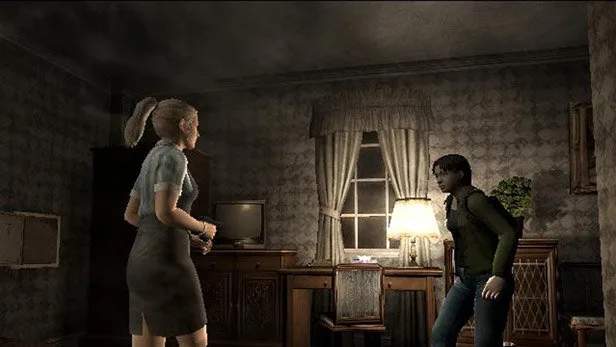
Difficulty Settings & Impact
Resident Evil Outbreak offers a dynamic difficulty system that significantly alters your gameplay experience. Understanding these settings and their repercussions is crucial for survival, especially in the later scenarios. The game doesn't explicitly label difficulties as "Easy," "Normal," or "Hard" in the traditional sense, but rather adjusts enemy aggression, item availability, and even the speed of the T-Virus infection based on your performance and chosen character.
Understanding the Dynamic Difficulty
The game continuously monitors your actions, such as how often you take damage, how many enemies you defeat, and how quickly you progress. This hidden system then subtly adjusts the challenge. For instance, if you're consistently performing well, you might encounter more aggressive zombies, fewer healing items, or even new enemy spawns in previously safe areas. Conversely, struggling players might find more ammunition or less resilient foes.
Character Impact on Difficulty
Your choice of character at the start of a scenario has a direct and immediate impact on the perceived difficulty:
- Stronger Characters (e.g., Kevin Ryman, Mark Wilkins): These characters start with better combat abilities, higher health, or unique skills that make initial encounters easier. However, this often means the dynamic difficulty system will ramp up the challenge faster, leading to tougher situations later on. For example, Kevin's starting .45 Automatic and Mark's high defense can make the early game a breeze, but prepare for more Lickers or even a Hunter appearing sooner in scenarios like "The Hive" or "Below Freezing Point."
- Weaker Characters (e.g., Yoko Suzuki, George Hamilton): Characters with lower combat stats or unique support abilities might face a tougher initial hurdle. Yoko's larger inventory is invaluable, but her low attack power means you'll rely more on evasion or your teammates. George's Medical Set is excellent for healing, but his slower movement and weaker attacks can make direct confrontations risky. The dynamic difficulty might be more forgiving for these characters, offering more frequent item drops or slightly less aggressive enemies to compensate for their inherent weaknesses.
Item Availability and Placement
The difficulty system directly influences the quantity and type of items you'll find:
- Healing Items: On higher difficulty adjustments, expect fewer Green Herbs, Blue Herbs, and First Aid Sprays. You might need to combine herbs more frequently (e.g., Green Herb + Green Herb for a Full Recovery) or rely on characters like George Hamilton to craft healing items with his Medical Set. In "Outbreak," finding a First Aid Spray in the Bar's back room might be a common occurrence on an easier run, but on a tougher one, you might only find a single Green Herb.
- Ammunition: Scarce ammunition is a hallmark of Resident Evil. Higher difficulties will see fewer Handgun Bullets, Shotgun Shells, and other weapon-specific ammo drops. This necessitates more careful aim, knowing enemy weaknesses, and prioritizing which threats to engage. In "Hellfire," the Fire Axe in the Main Hall becomes a much more viable option when ammo is tight.
- Key Items: While key item locations are generally fixed, their surrounding challenges can vary. A key guarded by a single zombie on a lower difficulty might be protected by multiple zombies or even a special infected on a higher one.
Enemy Behavior and Spawns
This is where the difficulty truly shines:
- Aggression and Health: Zombies will move faster, attack more relentlessly, and take more damage to put down. Special infected like Lickers, Hunters, and even the Tyrant will have increased health pools and more damaging attacks.
- Zombies: On harder settings, zombies in areas like the "Raccoon City Police Department" in "Below Freezing Point" will often grab you more frequently and take more headshots to neutralize.
- Lickers: In "The Hive," Lickers will perform their devastating tongue attacks more often and be less susceptible to stun.
- New Spawns: The game can introduce additional enemies in areas that were previously clear or only had a few foes. This can lead to unexpected ambushes and force you to adapt your strategies on the fly. For example, a hallway in "Decisions, Decisions" that usually has two zombies might suddenly have four, or even a Giant Leech.
- T-Virus Infection Rate: On higher difficulties, your T-Virus infection rate will accelerate. This means you have less time to find a cure (Antivirus) or complete the scenario before succumbing to the virus. Managing your infection becomes a critical resource, making every decision about taking damage or using healing items more impactful.
Strategic Considerations for Different Difficulties
- Resource Management: Always prioritize conserving ammunition and healing items. Learn to effectively use melee attacks, especially with characters like Mark or Kevin, to save bullets on weaker enemies.
- Teamwork: Communication and cooperation with AI teammates (or human players) become paramount. Share items, cover each other, and utilize character-specific abilities to their fullest. For instance, having Cindy Lennox with her Medical Kit is invaluable on tougher runs for her healing capabilities.
- Route Planning: Familiarize yourself with optimal routes through each scenario to minimize unnecessary encounters and conserve resources. Knowing where key items like the Valve Handle in "Outbreak" or the B.O.W. Gas in "The Hive" are located can save precious time and health.
- Evasion: Sometimes, the best fight is no fight at all. Learn enemy attack patterns and practice dodging to avoid damage and save ammunition. This is especially true for powerful enemies like the Eliminators in "Underbelly."
By understanding how Resident Evil Outbreak's difficulty system works, you can better prepare for the challenges ahead, adapt your strategies, and ultimately improve your chances of survival in the infected streets of Raccoon City.