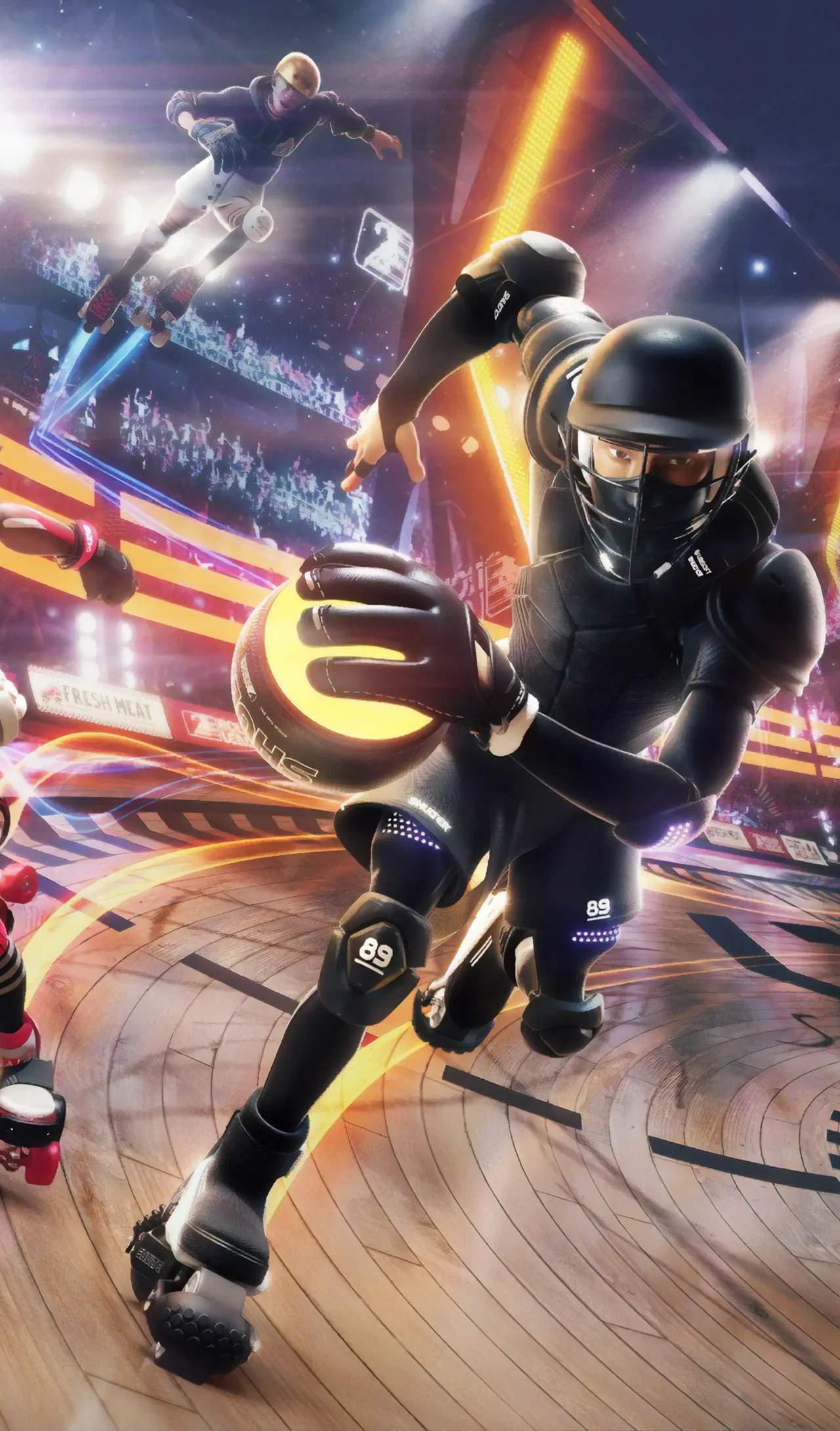
Match Flow & Phases
Understanding the distinct phases of a Roller Champions match is crucial for developing effective strategies and coordinating with your team. Each phase presents unique opportunities and challenges that demand different approaches. Mastering these transitions will elevate your gameplay from good to championship-level.
Phase 1: The Opening Sprint & Ball Acquisition
The match begins with a high-stakes scramble for the ball. Your initial actions here can dictate the early momentum of the game.
- Initial Boost: Immediately upon match start, utilize your initial speed boost. Aim to reach the central area of the arena as quickly as possible.
- Ball Spawn Point: The ball always spawns at the exact center of the arena. Your primary objective is to be the first to collect it.
- Aggressive Push (Offense): If you're playing an offensive role, focus on reaching the ball first. Use your teammates to create a screen or to intercept opposing players. Consider a well-timed Tackle on an approaching opponent if they are closer to the ball.
- Defensive Positioning (Defense): As a defender, your role in the opening sprint is to anticipate the opponent's ball carrier. Position yourself slightly behind the central scrum, ready to intercept passes or deliver a quick Tackle if the ball is acquired by the enemy team.
- Team Coordination: Communicate with your team. Decide beforehand who will go for the ball, who will provide cover, and who will be ready for a quick pass.
Phase 2: Lap Accumulation & Momentum Building
Once your team has possession of the ball, the objective shifts to completing laps and building momentum. This phase is a delicate balance of offense and defense.
Offensive Strategies:
- The "Hot Potato" Pass: Continuously pass the ball between teammates to avoid being tackled and to maintain speed. A well-timed pass can bypass multiple defenders.
- Utilize the Walls: Skating along the arena walls provides a significant speed boost. Master the art of wall-riding to outmaneuver opponents and create passing lanes.
- Lap Completion: Your primary goal is to complete a full lap while maintaining possession. Each completed lap increases the score multiplier for your next goal.
- First Lap: Focus on securing the ball and completing this lap without losing possession.
- Subsequent Laps: As you complete more laps (up to three), the score multiplier increases (1x, 3x, 5x). The risk of losing the ball also increases, so be extra cautious.
- Dodge & Weave: Practice your Dodge ability to evade incoming tackles. Timing is key – a perfectly timed dodge can leave an opponent flailing.
- Targeting the Goal: After completing at least one lap, the goal ring will illuminate. You can now attempt to score.
Defensive Strategies:
- Zone Defense: Instead of chasing the ball carrier relentlessly, establish defensive zones. One player can pressure the ball carrier, while others cover potential passing lanes and the goal.
- The Intercept: Anticipate opponent passes. Position yourself to intercept the ball mid-air or as it rolls along the ground.
- The Tactical Tackle: Use your Tackle ability strategically. Don't just spam it. Aim for opponents who are vulnerable (e.g., after a pass, or when they are isolated). Remember, a missed tackle leaves you momentarily vulnerable.
- Goalie Positioning: One player should generally remain near the goal to block incoming shots. However, don't be a static target; move to cover angles and anticipate the shot.
Phase 3: The Scoring Attempt & Counter-Attack
This is the climax of each possession, where goals are scored or denied, and momentum can swing dramatically.
Offensive Scoring:
- Shot Selection: Don't just shoot blindly. Look for openings in the defense.
- Power Shot: Hold the shoot button for a more powerful shot, harder to block.
- Quick Shot: A tap of the shoot button for a faster, but less powerful, shot. Useful for quick redirects or when defenders are out of position.
- Team Shot: Coordinate with a teammate for a "Team Shot" (requires two players to be in close proximity to the goal and press the shoot button simultaneously). This creates an unblockable shot.
- Rebound Control: If your shot is blocked, immediately try to recover the rebound. This often leads to second-chance scoring opportunities.
Defensive Counter-Attack:
- The Block: Position yourself directly in front of the goal to block incoming shots. Timing is crucial – a well-timed block can send the ball flying back towards the offensive team, potentially leading to a turnover.
- Immediate Transition: If you successfully block a shot or intercept a pass, immediately transition to offense. Look for an open teammate for a quick pass to start your own lap accumulation.
- Pressure the Shooter: Even if you can't block, applying pressure to the shooter can force them into a hurried or inaccurate shot.
Phase 4: Overtime (If Applicable)
If the score is tied at the end of regulation, the game enters a sudden-death overtime period.
- First Goal Wins: The first team to score a goal wins the match.
- Increased Urgency: Overtime is characterized by extremely aggressive play from both sides. Every possession is critical.
- Conservative vs. Aggressive: Teams often adopt either a highly aggressive "all-in" offensive strategy or a more conservative, defensive approach aimed at forcing a turnover and then scoring. Adapt your playstyle based on your team's strengths and the opponent's tendencies.
- Maintain Composure: Despite the pressure, avoid reckless plays. A single mistake can cost you the game.