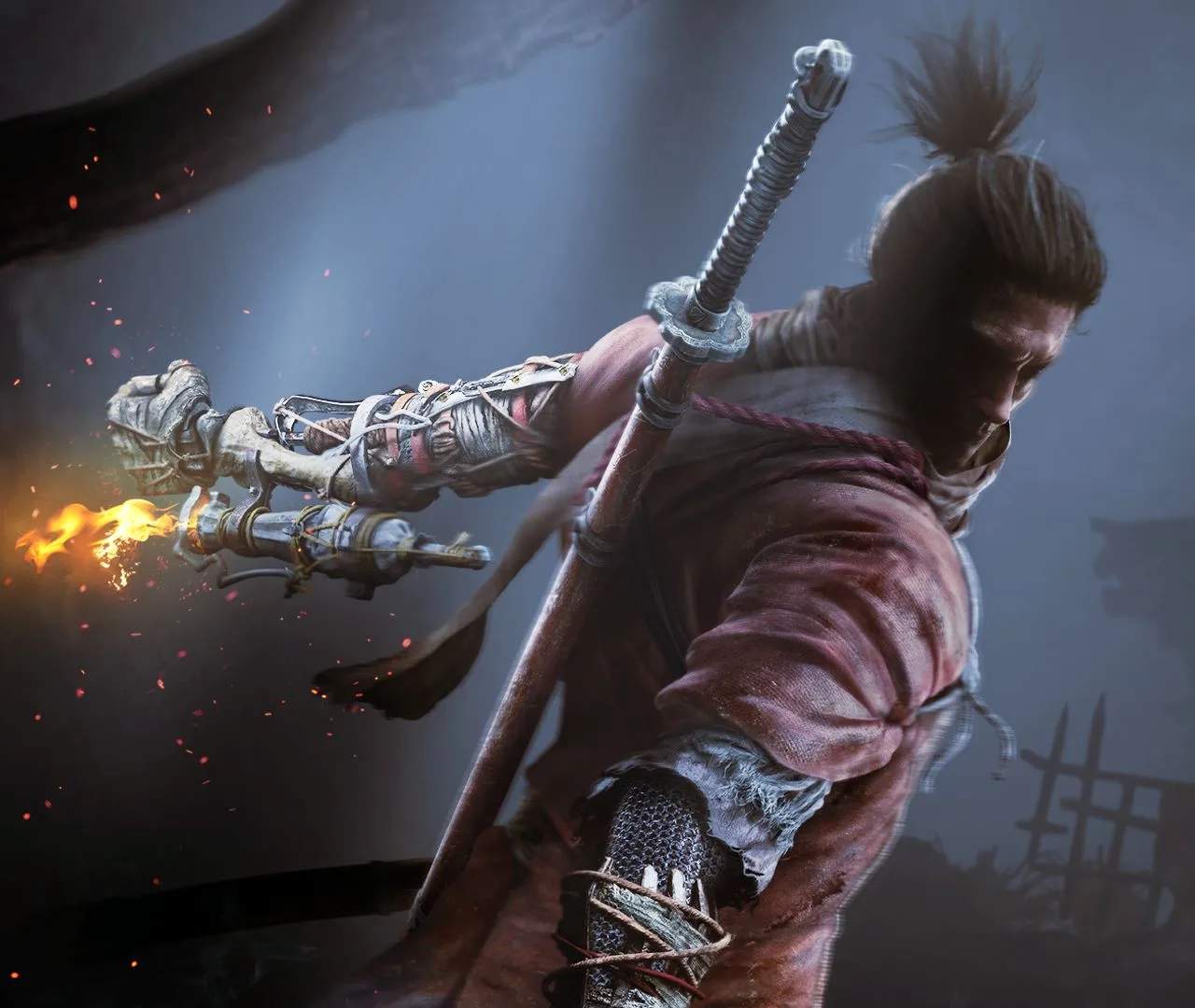
Delve into the rich and dark lore of Sekiro: Shadows Die Twice. Understand the historical context, the supernatural elements, and the intricate relationships between characters that shape the game's compelling narrative and its war-torn world.
Game World & Lore
Sekiro: Shadows Die Twice is set in a fictionalized Sengoku period of Japan, a time of intense conflict and upheaval. The world is steeped in a unique blend of historical realism and dark fantasy, featuring elements of folklore, mythology, and the supernatural. The central conflict revolves around the Divine Heir, Kuro, who possesses the Dragon's Heritage, a power that grants immortality. This power is sought after by various factions, leading to wars and political intrigue. The game's lore explores themes of immortality, sacrifice, the cycle of life and death, and the corrupting influence of power. Key elements include the Dragon's Heritage, the Sculptor's prosthetic arm imbued with the power of the Sculptor's Shade, the corrupted waters of Mibu Village, and the presence of mythical creatures and spirits. The narrative is delivered through environmental storytelling, item descriptions, cryptic dialogue from NPCs, and Recollections, which are phantom conversations that offer glimpses into past events. Understanding the lore is crucial for piecing together the motivations of the characters and the overarching plot. The game's world is filled with ancient traditions, warring clans, and the lingering presence of the divine and the demonic, creating a deeply immersive and often melancholic atmosphere. The intricate tapestry of lore provides a compelling backdrop to Sekiro's challenging gameplay, rewarding players who take the time to unravel its mysteries.
Compare game world & lore inSekiro