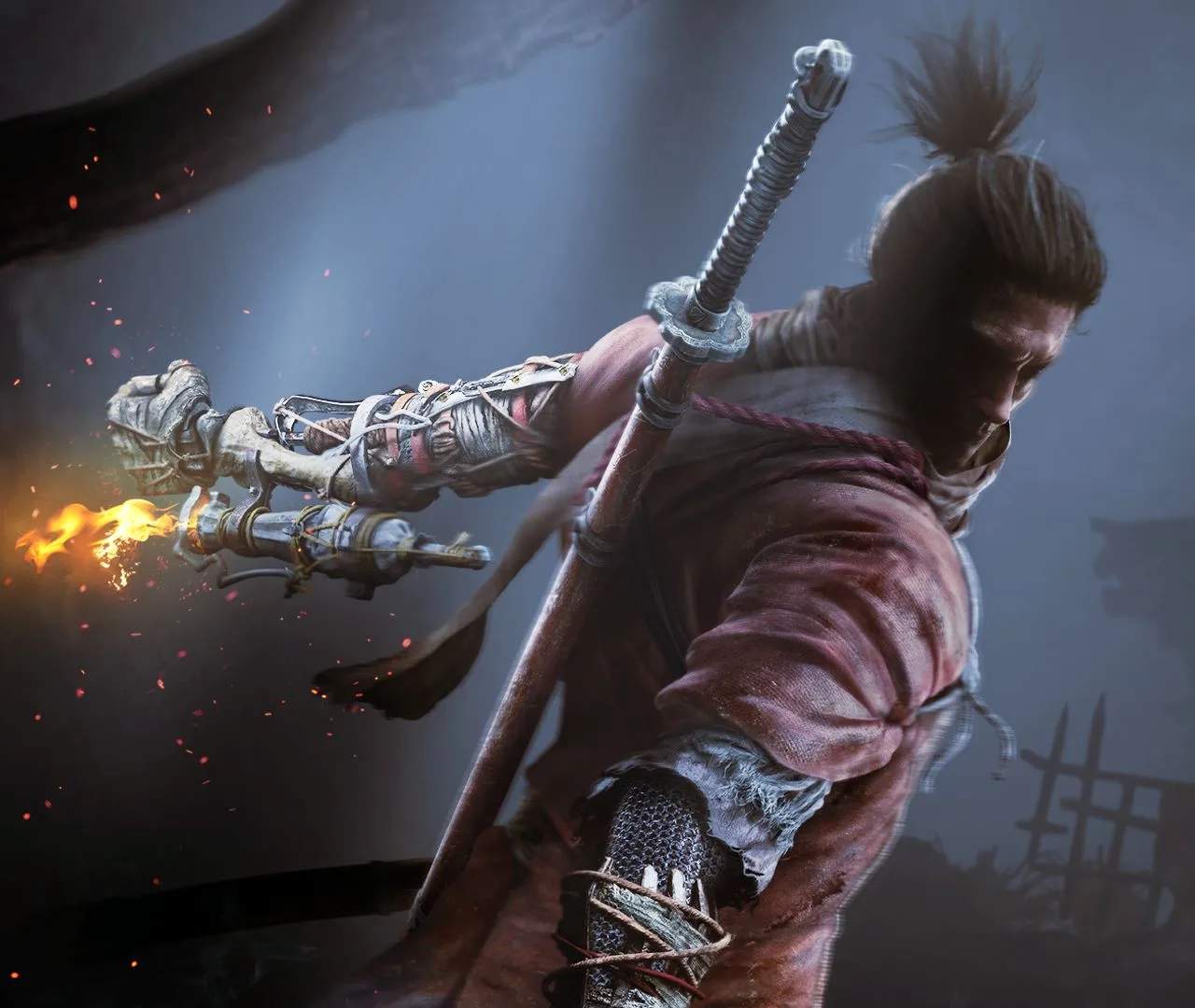
Resurrection Feature
The Resurrection feature in Sekiro: Shadows Die Twice is a unique mechanic that allows Sekiro to revive himself upon death, offering a second chance to overcome his foes. Initially, you have one Resurrection charge available each time you rest at a Sculptor's Idol. This ability is crucial for learning enemy patterns and overcoming difficult encounters without the immediate penalty of returning to the last checkpoint.
When you die, you'll be presented with the option to resurrect. Choosing to do so will bring you back to life at the exact spot of your demise, with your Vitality restored and your Posture reset. However, using Resurrection comes with a cost: it can trigger the Dragonrot disease, affecting NPCs and potentially locking off certain services. The number of Resurrection charges you have is tied to your progression and can be increased by resting at Sculptor's Idols. Mastering the use of Resurrection, and understanding its consequences, is vital for navigating the game's challenges.
There are two primary ways to utilize Resurrection: immediate revival upon death, or choosing to respawn at the last Sculptor's Idol. The former allows you to immediately re-engage with the enemy or situation, while the latter resets the world and its inhabitants. Be mindful of the Dragonrot mechanic; if it spreads too far, it can have negative impacts on the NPCs you've encountered. Learning when to resurrect and when to accept defeat and respawn is a strategic decision that can significantly impact your playthrough.
Resurrection Mechanics:
- Upon Death: You can choose to resurrect at your location.
- Charges: Initially, one charge is available per rest at a Sculptor's Idol.
- Dragonrot: Using Resurrection can spread Dragonrot to NPCs, impacting their dialogue and services.
- Respawning: Alternatively, you can choose to respawn at the last Sculptor's Idol, resetting enemies and the world state.
Strategic use of Resurrection is key to overcoming Sekiro's challenges.