Difficulty Settings & Accessibility
Unlike many modern action-adventure titles, Sekiro: Shadows Die Twice does not feature traditional difficulty sliders (e.g., Easy, Normal, Hard) that can be selected from the main menu. FromSoftware's design philosophy for Sekiro emphasizes a singular, challenging experience intended for all players. However, the game does offer unique, hidden mechanics that can significantly alter the difficulty, alongside various in-game systems and accessibility options that can be leveraged to tailor your journey through Sengoku Japan.
Voluntary Difficulty Modifiers
Sekiro provides two primary ways to *increase* the challenge, offering a "hard mode" for those seeking an even more brutal experience. These are entirely optional and can be toggled on or off at specific points in the game.
1. Bell Demon's Burden (Hard Mode)
- Effect: Enemies become tougher, deal more damage, and drop better loot (including a higher chance for rare upgrade materials and Sen). This effectively acts as a permanent difficulty increase until removed.
- Activation:
- Travel to the Demon Bell Sculptor's Idol, located in the Senpou Temple, Mt. Kongo region.
- From the Idol, proceed forward and slightly to the left, following the path that leads up the mountain.
- You will encounter a small shrine with a large, ornate bell. Interact with the bell.
- A prompt will appear asking if you wish to "Ring the Demon Bell." Confirm your choice.
- Upon ringing the bell, you will receive the Bell Demon's Burden status effect, indicated by a small bell icon next to your health bar.
- Deactivation:
- To remove the Bell Demon's Burden, simply use a Demon Bell item from your inventory.
- Demon Bells are consumable items that are dropped by certain enemies while the burden is active, or can be found as rare pickups.
- Using a Demon Bell will instantly remove the status effect, returning enemy difficulty to its base level.
- Strategy: Consider activating the Bell Demon's Burden if you are farming for specific upgrade materials like Fulminated Mercury or Lapis Lazuli, as the increased drop rates can be beneficial. However, be prepared for a significantly tougher fight against even basic enemies.
2. Kuro's Charm (New Game+ Only)
- Effect: This modifier is only available on New Game+ (NG+) cycles. If you choose to return Kuro's Charm at the start of a new playthrough, you will take chip damage even when successfully deflecting attacks. This dramatically raises the skill ceiling, requiring near-perfect parries to avoid taking damage.
- Activation:
- Complete the game and choose to start a New Game+ cycle.
- During the introductory sequence at the Dilapidated Temple, the Divine Heir, Kuro, will offer you his charm.
- To activate this "hard mode," select the option to "Return Kuro's Charm" when prompted.
- You will receive the "Charmless" status, indicated by a unique icon.
- Deactivation:
- If you find the Charmless run too challenging, you can return to the Dilapidated Temple.
- Speak with the Sculptor.
- He will offer you the option to "Receive Kuro's Charm" back. Confirming this will remove the Charmless status, and you will no longer take chip damage on successful deflections. This action is permanent for the current playthrough.
- Strategy: Charmless runs are reserved for veteran players seeking the ultimate challenge. The chip damage on deflects means that even minor mistakes are punished severely, forcing players to master the deflection system and enemy attack patterns.
In-Game Accessibility & Difficulty Management
While Sekiro lacks traditional difficulty settings, You can utilize various in-game mechanics and strategies to make the experience more manageable or to overcome specific hurdles.
1. Skill Tree Progression
- Acquiring Skills: Focus on unlocking essential skills early on.
- Shinobi Arts: Prioritize Mikiri Counter from the Shinobi Arts skill tree. This counter is vital for dealing with thrust attacks and is arguably the most important skill in the game.
- Prosthetic Arts: Unlock skills that enhance your chosen Prosthetic Tools, such as Follow-up Attack: Axe for the Loaded Axe or Chasing Slice for the Shuriken.
- Ashina Arts: Consider Ascending Carp and Descending Carp for increased posture damage.
- Farming Skill Points: If you're struggling, take time to farm experience from weaker enemies in areas like the Ashina Outskirts - Outskirts Wall - Stairway or Senpou Temple, Mt. Kongo - Main Hall. This allows you to unlock more skills and increase your combat versatility.
2. Prosthetic Tools & Combat Arts
- Experimentation: Don't stick to one tool or art. Different enemies and bosses are highly vulnerable to specific Prosthetic Tools.
- Loaded Axe: Excellent for breaking shields and dealing high posture damage to heavily armored foes.
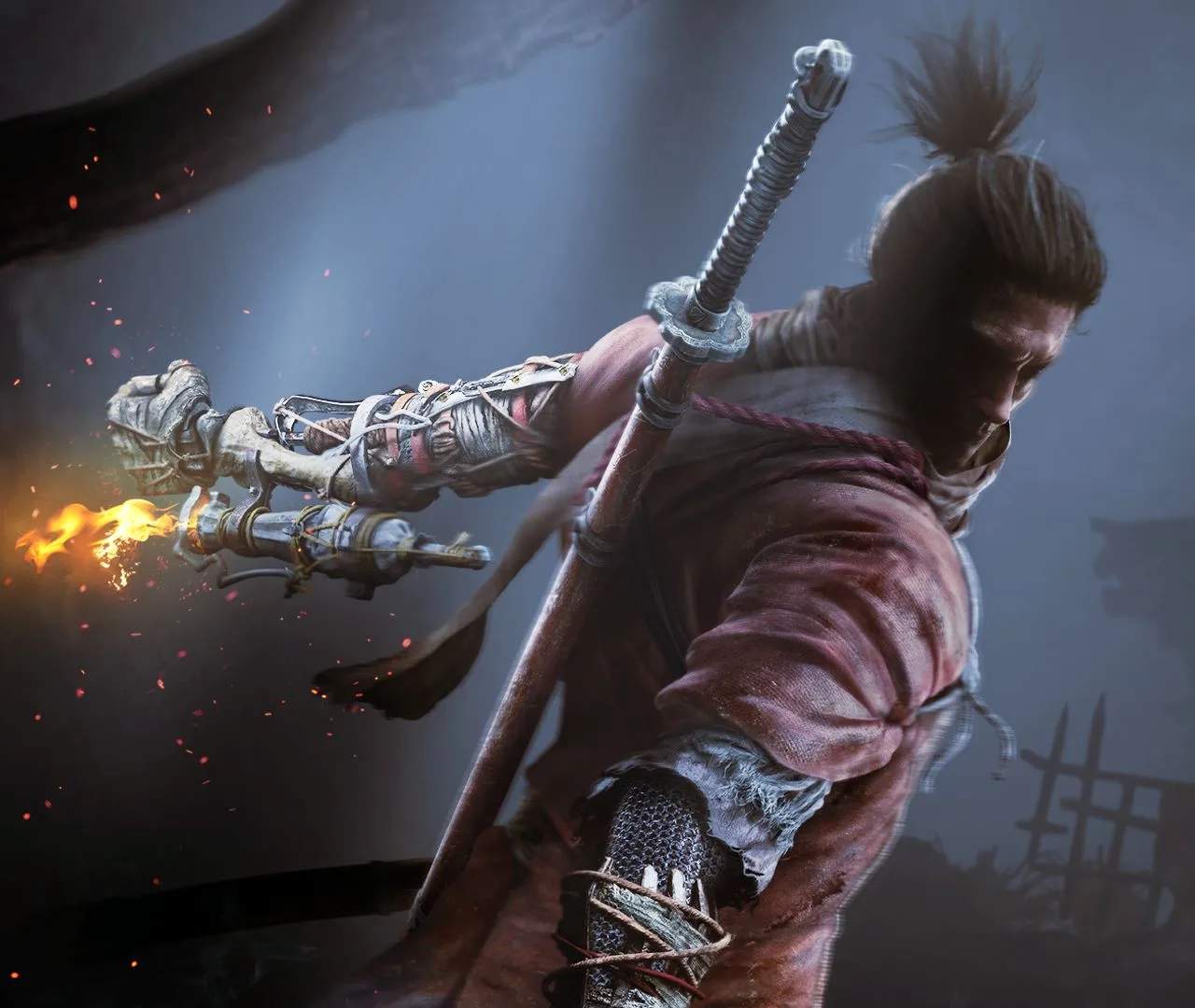
- Flame Vent: Effective against red-eyed enemies (e.g., Chained Ogre, Headless Ape) and can inflict Burn status.
- Mist Raven: Provides a quick escape or repositioning, useful for avoiding unblockable attacks.
- Sabimaru: Inflicts Poison, particularly effective against certain human enemies and the Guardian Ape.
- Combat Arts: Equip and practice with various Combat Arts. Whirlwind Slash is a good all-around option for crowd control, while Ichimonji: Double is excellent for posture damage and posture recovery.
3. Spirit Emblems & Consumables
- Spirit Emblems: Manage your Spirit Emblems carefully. They are crucial for using Prosthetic Tools and certain Combat Arts. Farm them from enemies or purchase them from Sculptor's Idols if needed.
- Healing Gourds & Pellets: Upgrade your Healing Gourd uses by finding Gourd Seeds (e.g., from General Naomori Kawarada, Chained Ogre, or merchants). Carry Pellets for supplementary healing during combat.
- Sugars & Balms: Utilize various sugars (e.g., Ako's Sugar for attack power, Gokan's Sugar for posture resistance, Ungo's Sugar for damage reduction) and balms (e.g., Divine Confetti for dealing damage to apparitions, Pacifying Agent for terror resistance) to gain temporary advantages in difficult encounters.
4. Stealth & Exploration
- Stealth Deathblows: Many mini-bosses and even some main bosses can have one health node removed via a stealth deathblow. This significantly reduces the difficulty of the subsequent fight. Always scout ahead and look for opportunities to initiate stealth.
- Environmental Awareness: Use the environment to your advantage. Lure enemies into traps, use high ground for plunging attacks, or separate groups of enemies to fight them one-on-one.
5. Practice & Patience
Ultimately, Sekiro's primary "difficulty setting" is the player's willingness to learn and adapt. The game rewards patience, observation, and mastery of its core combat mechanics. Don't be afraid to die repeatedly; each death is a learning opportunity. Pay attention to enemy tells, master deflecting, and understand when to attack, when to dodge, and when to use your Prosthetic Tools.