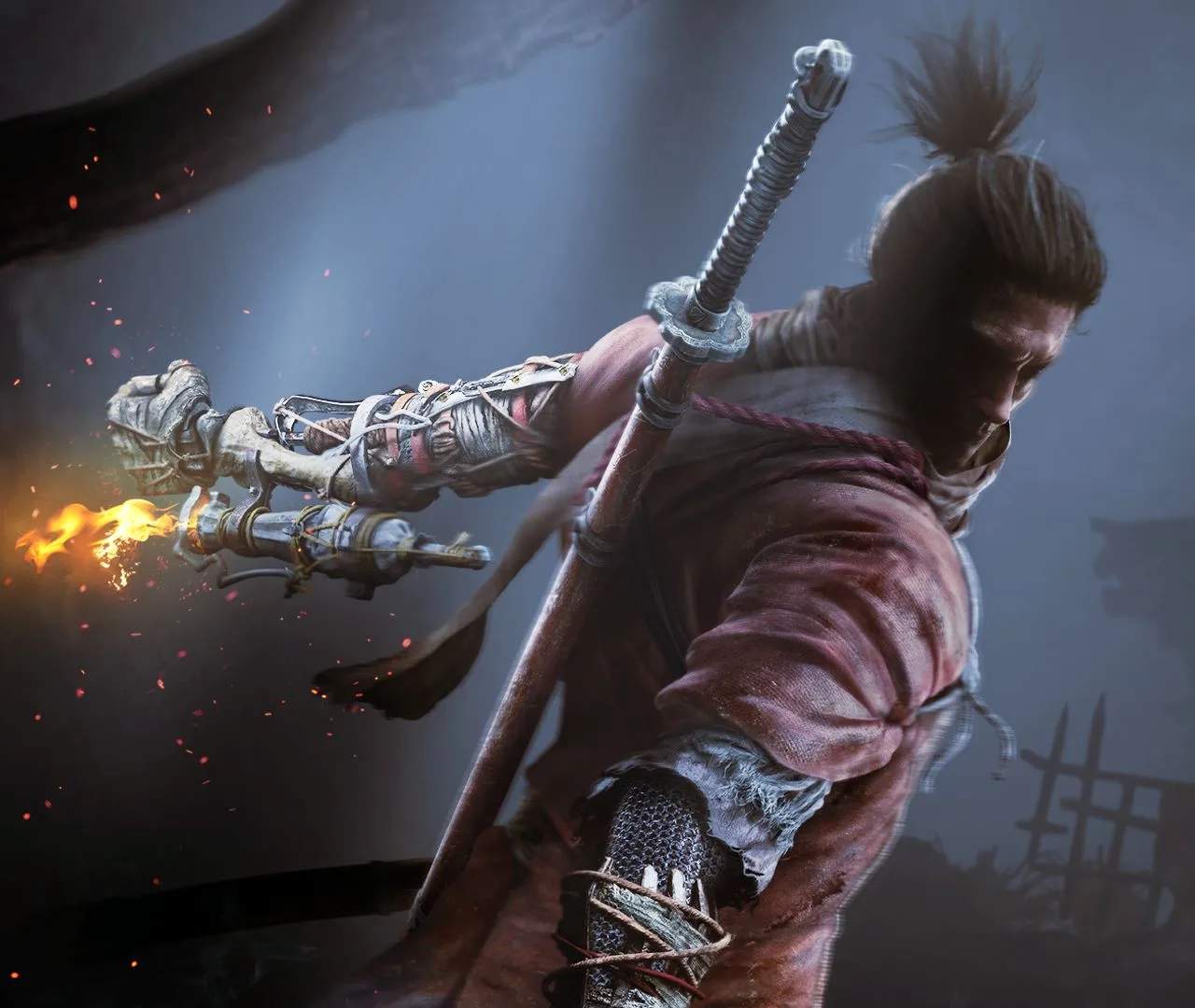
Lore & Story Elements
Sekiro: Shadows Die Twice weaves a rich tapestry of lore, deeply rooted in Japanese mythology and Sengoku-era history. The narrative revolves around the concept of immortality, the divine heritage, and the consequences of tampering with the natural order. Understanding these elements provides context to the game's events and character motivations.
The lore of Sekiro: Shadows Die Twice is intricate and multifaceted, drawing heavily from Japanese folklore and historical periods. At its core lies the concept of the Dragon Heritage, a bloodline that grants immortality and is sought after by various factions. Kuro, the Divine Heir, is the last of this lineage, and his fate is central to the game's plot. The pursuit of immortality has led to various experiments and rituals, most notably the Dragonspring and the creation of the Corrupted Monk. The game explores the theme of duty and loyalty through Sekiro's unwavering devotion to Kuro, contrasting with the pragmatic and often ruthless actions of other characters like The Owl. The Sculptor and his connection to the Demon of Hatred represent the darker side of power and the consequences of unchecked ambition. The various factions, such as the Ashina clan and the Senpou Temple monks, each have their own motivations and interpretations of immortality, leading to conflict and moral ambiguity. The game's endings further explore the philosophical implications of immortality and the sacrifices required to achieve or prevent it. Understanding the relationships between these characters and the historical context of the Sengoku period is key to appreciating the depth of Sekiro's narrative.
Key Lore Concepts:
- Dragon Heritage: The bloodline granting immortality.
- Kuro, the Divine Heir: The last of the Dragon Heritage.
- Immortality: The central theme and its consequences.
- Factions: Ashina Clan, Senpou Temple Monks, Owl's motivations.
- Sculptor & Demon of Hatred: The darker aspects of power.