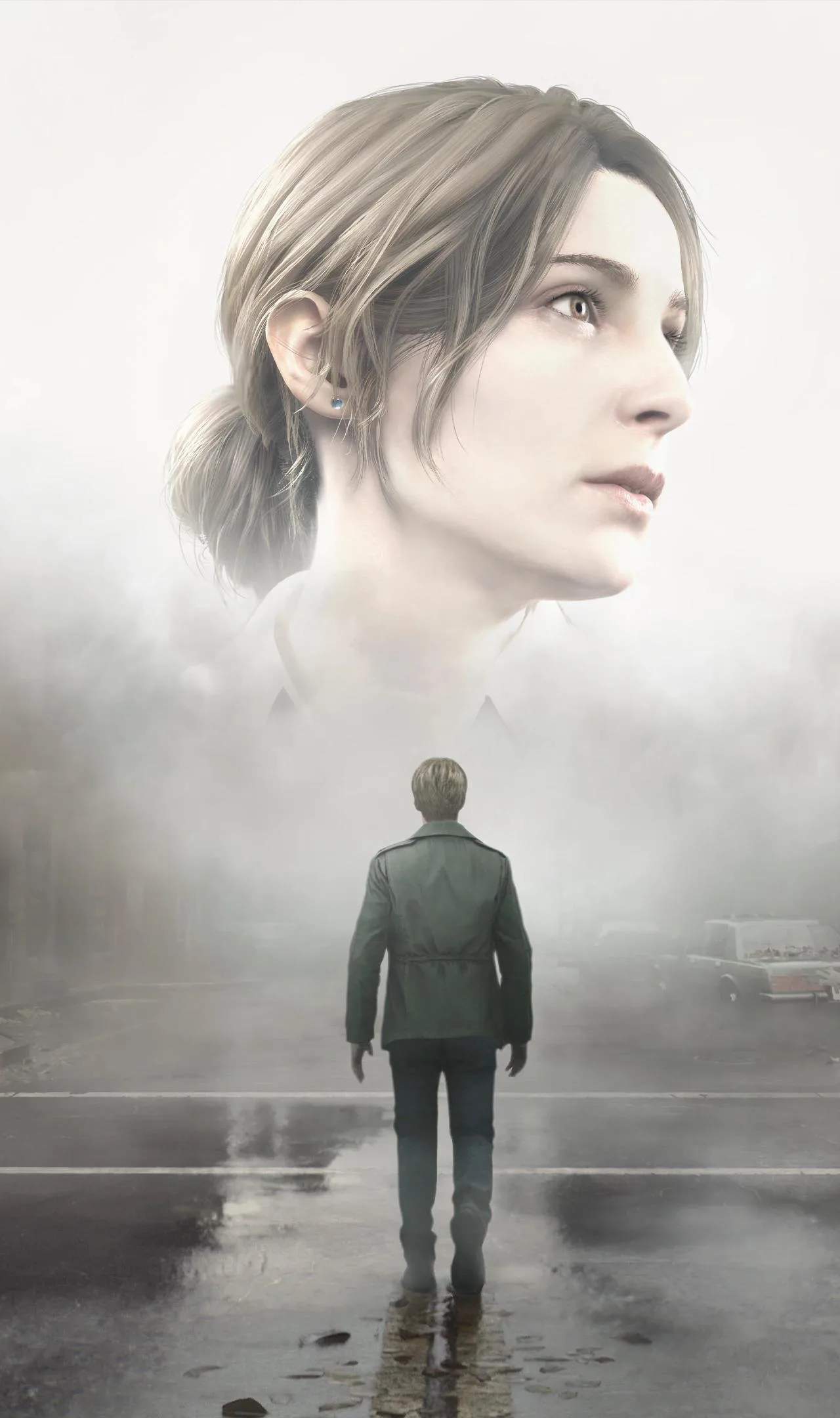
The camera in Silent Hill 2 Remake is a crucial element of its horror, dictating what you see and how you perceive the oppressive environment. Mastering its controls and understanding the different perspectives is essential for navigation, combat, and immersion. The remake likely offers modern control schemes while retaining the series' sature atmospheric camera work.
Fixed Camera Angles vs. Over-the-Shoulder
Classic Silent Hill games famously utilized fixed camera angles, creating suspense by showing only what the developers intended. The remake may offer a hybrid approach. You might encounter sections with fixed angles for atmospheric effect, interspersed with more dynamic over-the-shoulder perspectives during exploration and combat, providing a modern feel while retaining the series' horror roots.
Manual Camera Control
In sections where free camera control is enabled, understanding how to manipulate it is key. Typically, this involves using the right analog stick to pan and tilt the camera. This allows you to look around corners, check your surroundings for threats, and find hidden items. However, be cautious; lingering too long in one spot might attract unwanted attention.
Camera Behavior During Combat
During combat, the camera often shifts to provide a better view of James and his immediate threats. It might zoom in on enemies or automatically adjust to keep them in frame. While this can be helpful, it can also be disorienting. Learning to anticipate these shifts and maintain situational awareness is vital for survival.
Environmental Interaction and Camera
The camera's behavior can also change when James is near interactive objects or points of interest. It might subtly zoom in or shift to highlight an item or a puzzle element. Pay attention to these subtle camera cues, as they often guide you towards important objectives or hidden secrets within the environment.
Third-Person Perspective Options
The remake will likely offer modern third-person camera options, allowing players to have more direct control over James's view. This can be toggled between a more cinematic, fixed-camera style and a more gameplay-focused over-the-shoulder view. Experiment with these options to find what best suits your playstyle and comfort level.
Tips for Camera Management
- Experiment with Controls: Spend time in safe areas to get comfortable with manual camera adjustments.
- Utilize the Map: When lost, the map is your best friend. The camera will often orient itself to show your position.
- Be Aware of Angles: In fixed camera sections, understand that what you can't see might be dangerous.
- Combat Focus: During fights, prioritize keeping enemies in view, even if it means slightly sacrificing environmental awareness.
- Listen Carefully: Sound des is paramount in Silent Hill. If you can't see an enemy, listen for their footsteps or growls.
Camera and Atmosphere
The camera is not just a tool; it's an integral part of the horror. The way it frames shots, the limited visibility it provides, and the sudden shifts all contribute to the unsettling atmosphere. Embrace the camera's limitations as a feature that enhances the psychological dread of Silent Hill.