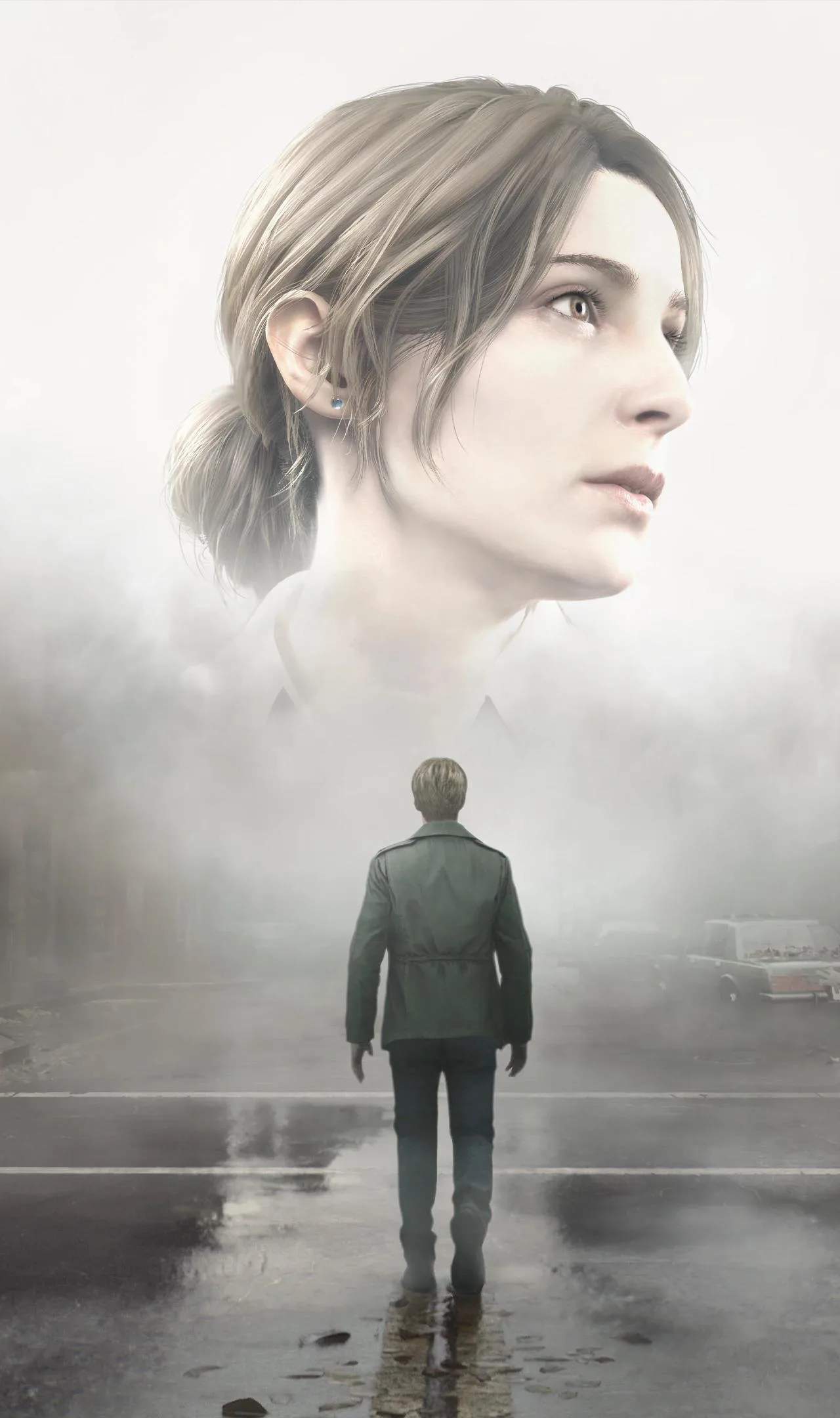
The puzzles in Silent Hill 2 (Remake) are an integral part of the experience, challenging players to think critically and observe their surroundings. These enigmas are not mere roadblocks but often serve to deepen the narrative and reflect the characters' psychological states. Mastering puzzle-solving essentials is key to progressing.
The Nature of Silent Hill Puzzles
Silent Hill's puzzles are typically environmental and logic-based. They rarely involve complex mathematical calculations but rather require players to:
- Observe the Environment: Pay close attention to details in the room, including paintings, notes, objects, and their placement.
- Gather Clues: Read all found documents and notes carefully, as they often contain direct hints or pieces of the solution.
- Use Items Appropriately: Many puzzles require the use of specific key items found throughout the game.
- Deduce Logic: Connect disparate pieces of information to form a coherent solution.
Essential Puzzle-Solving Techniques
- Thorough Exploration: Ensure you have explored every accessible area and collected all relevant items and documents before attempting a complex puzzle.
- Note-Taking: For more intricate puzzles, consider jotting down clues, sequences, or symbols.
- Environmental Interaction: Interact with everything that seems sificant. Sometimes, simply examining an object can reveal a hidden clue.
- Backtracking: If you're stuck, revisit previous areas. You might have missed an item or a clue that is now essential.
- Patience and Persistence: Silent Hill's puzzles are desed to be challenging. Don't get discouraged; take a break and return with fresh eyes if needed.
Common Puzzle Types
While the remake may introduce new challenges, expect variations of classic Silent Hill puzzle archetypes:
- Key Item Puzzles: Finding the correct key or item to unlock a door or operate a mechanism.
- Sequence Puzzles: Arranging objects, pressing buttons, or playing notes in a specific order.
- Riddle Puzzles: Solving riddles presented in notes or on environmental objects.
- Combination Puzzles: Using multiple items or clues to achieve a single outcome.
- Observational Puzzles: Requiring players to notice subtle details in the environment, such as matching symbols or patterns.
Examples of Puzzles (Based on Original Game)
- The Music Box: Finding the correct tune to play on a music box.
- The Painting Puzzle: Manipulating elements within a painting or deciphering its meaning.
- The Elevator Puzzle: Operating an elevator by finding specific switches or codes.
- The Radio Puzzle: Using a radio to tune into specific frequencies that reveal clues or trigger events.
The Role of Difficulty Settings
The difficulty setting you choose can sificantly impact the puzzles. On easier settings, hints might be more direct, or the puzzles themselves may be simplified. Higher difficulties often require more meticulous observation and deduction.
Tips for Overcoming Puzzle Blocks
- Re-read all notes and documents.
- Examine the room from different angles.
- Consider how your current inventory items might be used.
- If truly stuck, consult a guide for the specific puzzle, but try to solve it yourself first to maximize the experience.