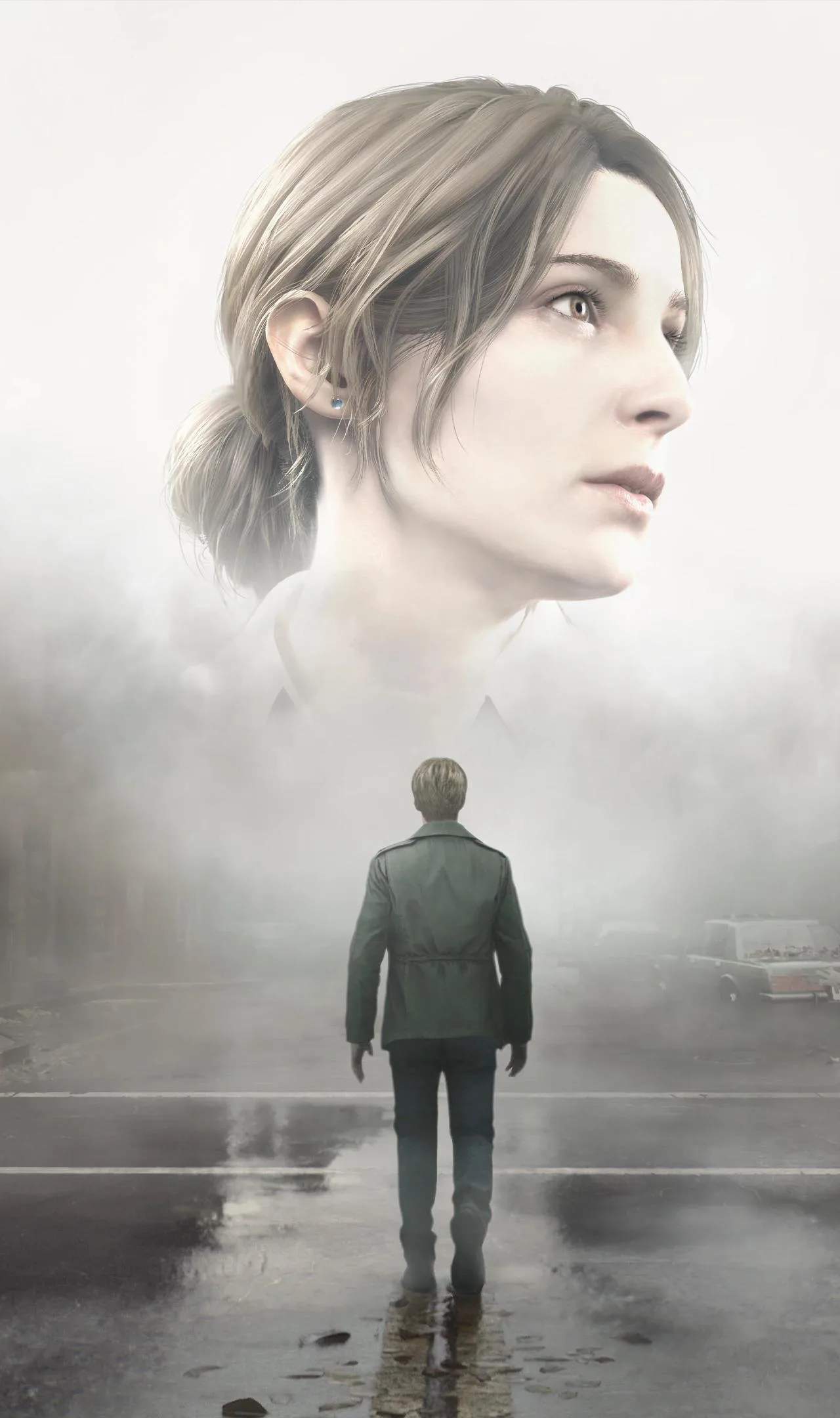
Silent Hill 2 Remake is a masterclass in psychological horror, weaving a narrative deeply rooted in guilt, repression, and the human psyche. James Sunderland's journey through the fog-laden town is not just a physical one, but a descent into his own fractured mind, where every monster and every location holds symbolic meaning. Understanding these themes is key to appreciating the full depth of the story.
The Nature of Guilt and Repression
At its core, Silent Hill 2 explores the destructive nature of unaddressed guilt. James is drawn to Silent Hill by a letter from his deceased wife, Mary. This letter acts as a catalyst, forcing him to confront the truth about her death and his own role in it. The town itself manifests his inner turmoil, with its oppressive atmosphere and grotesque inhabitants representing his repressed emotions and memories.
Symbolism of Key Monsters
The monsters in Silent Hill 2 are not random creatures; they are physical manifestations of James's psychological state. The most iconic, Pyramid Head, is often interpreted as a symbol of James's desire for punishment and his repressed sexual aggression. The Lying Figure represents his feelings of helplessness and his perception of Mary's illness. The Mannequins symbolize his detachment and objectification of women. Each enemy encountered serves as a mirror to James's internal struggles.
The Town of Silent Hill as a Character
Silent Hill is more than just a setting; it's an active participant in James's psychological drama. The town shifts and changes, reflecting his mental state. The perpetual fog represents his confusion and inability to see the truth. The otherworld, with its rusty metal and decaying flesh, is a direct manifestation of his guilt and despair. The town draws people with unresolved issues, forcing them to confront their inner demons.
Themes of Love, Loss, and Memory
The game also delves into the complexities of love and loss. James's relationship with Mary is central to the narrative, and You is forced to question the nature of their bond and the events leading to her death. Memories are unreliable, and the game plays with the player's perception of past events, blurring the lines between reality and James's distorted recollections. The search for Mary is, in essence, a search for truth and absolution.
The Role of Maria
Maria, a doppelganger of Mary, serves as a crucial symbolic figure. She represents James's repressed desires and his denial of Mary's death. Her presence in Silent Hill further blurs the lines of reality and forces James to confront his conflicting emotions. She is both a temptation and a torment, embodying the duality of his feelings towards his wife.
Interpreting the Endings
The various endings of Silent Hill 2 are direct reflections of James's psychological state and the choices he makes throughout the game. They offer different conclusions to his journey, ranging from self-punishment to a fragile form of acceptance. Each ending provides a unique perspective on the themes of guilt, redemption, and the human capacity for self-deception.