Pop Culture References
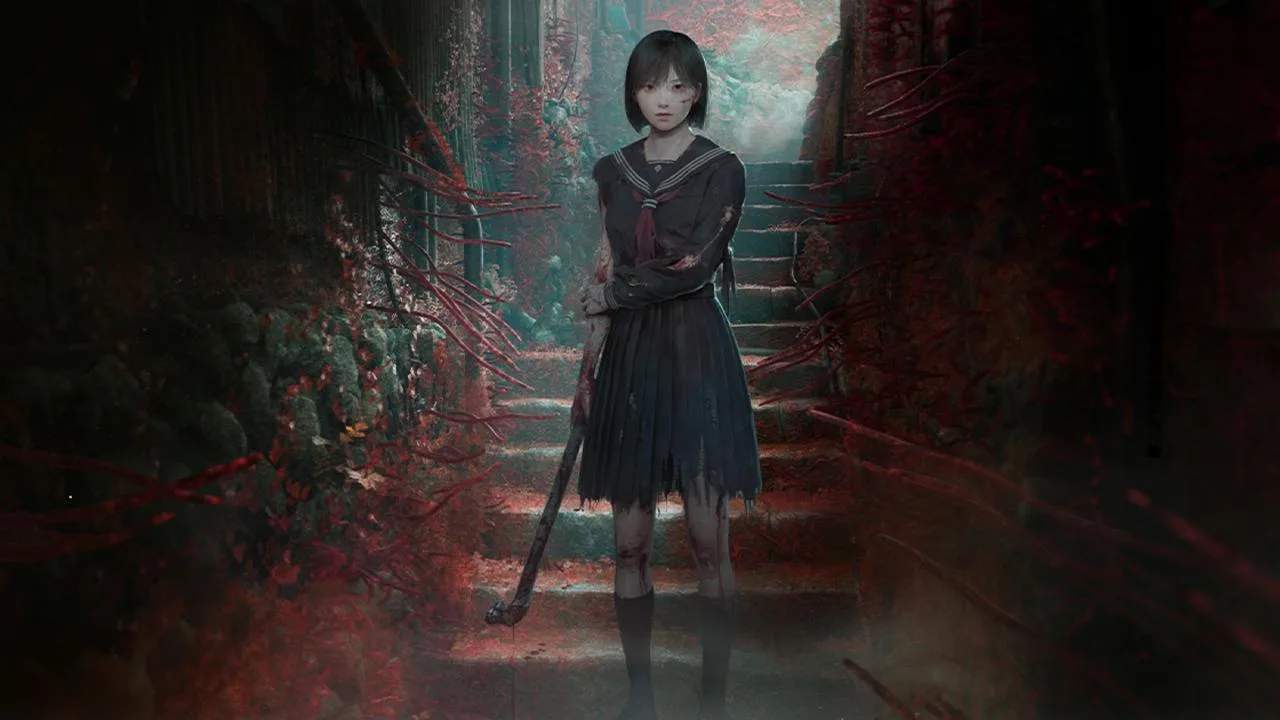
Silent Hill f, like many entries in the acclaimed horror series, is rich with subtle and not-so-subtle nods to various forms of pop culture. These references, woven into the narrative, environments, and enemy dess, add layers of depth and familiarity for observant players, often enhancing the game's thematic resonance.
The developers of Silent Hill f have a history of incorporating homages to films, literature, art, and music that have influenced the horror genre. These pop culture references can range from direct visual cues and dialogue snippets to more abstract thematic parallels. Recognizing these allusions can provide a deeper appreciation for the game's artistic influences and its place within the broader landscape of horror storytelling.
keep an eye out for:
- Film Homages: Silent Hill has a long-standing tradition of referencing iconic horror films. Look for visual nods to classics like 'The Shining,' 'Jacob's Ladder,' or even more contemporary psychological thrillers. This might manifest in environmental des, character archetypes, or specific unsettling scenes.
- Literary Influences: The game's exploration of psychological themes often draws from literary works. References to authors like H.P. Lovecraft, Stephen King, or even philosophical texts might be present in item descriptions, environmental text, or the underlying mythology of Silent Hill.
- Artistic Inspirations: The surreal and disturbing imagery of Silent Hill is often inspired by artists known for their exploration of the grotesque and the subconscious. Artists like H.R. Giger, Francis Bacon, or Hieronymus Bosch might have influenced the creature dess and the overall aesthetic of the Otherworld.
- Musical Cues: While Akira Yamaoka's iconic soundtracks are a staple, specific musical motifs or song references might appear, adding an auditory layer to the pop culture tapestry.
- Symbolism and Mythology: Beyond direct references, the game might draw upon broader cultural symbols, folklore, or mythological archetypes that resonate with themes of fear, guilt, and redemption.
Specific examples within Silent Hill f might include:
- A particular monster's des bearing a striking resemblance to a creature from a classic horror film, perhaps a mutated form inspired by something seen in 'The Thing.'
- A specific room layout or environmental hazard that mirrors a memorable scene from a psychological thriller, such as a maze-like structure reminiscent of 'Cube.'
- Dialogue that echoes famous lines from horror movies or literature, subtly reinforcing the game's themes. For instance, a character might utter a phrase that directly references a quote from 'Psycho.'
- The use of specific colors or lighting techniques that are iconic to certain films, such as the stark, unsettling lighting found in some scenes of 'Eraserhead.'
- A puzzle that requires knowledge of a specific fairy tale or myth that mirrors the game's narrative arc.
The discovery of these references can be a rewarding experience for fans of the genre. They serve not only as Easter eggs but also as a way for the developers to pay homage to the works that have shaped their own creative vision. It's a testament to the interconnectedness of art and how horror, in particular, builds upon a rich legacy of storytelling and imagery.
Players are encouraged to be observant and to research any unfamiliar symbols or motifs they encounter. The internet is a vast resource for identifying specific pop culture references once the game is released and discussed by the community.