The Awakened One
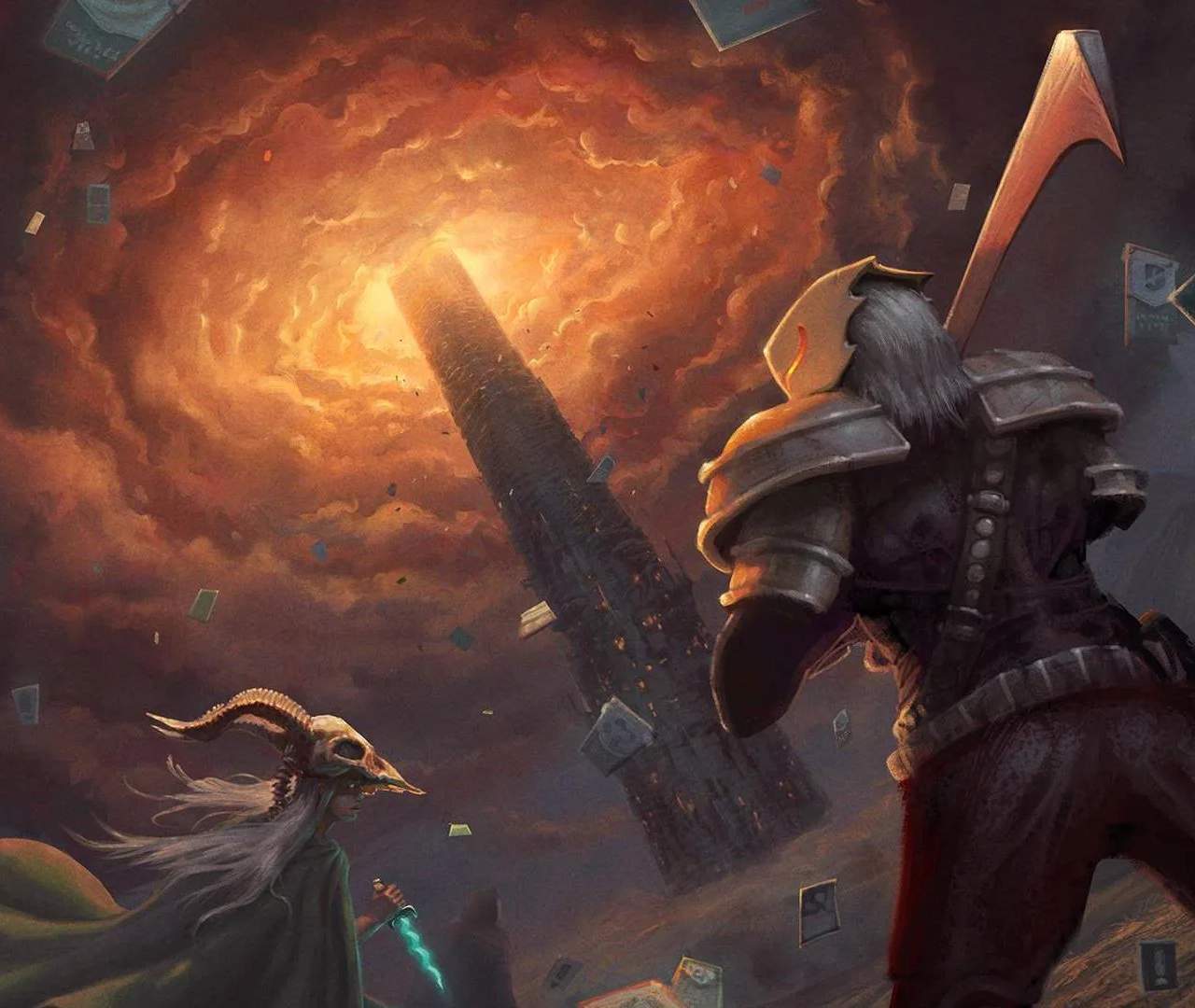
The Awakened One serves as one of the three potential Act 3 bosses in Slay the Spire, presenting a unique challenge with its two distinct phases and punishing mechanics. Successfully navigating this encounter requires careful deck construction, strategic play, and an understanding of its attack patterns.
Phase 1: The Cultist's Fury
In its initial phase, The Awakened One is accompanied by two Cultists. Its primary mechanic revolves around its reaction to Power cards:
- Strength Gain: Every time you play a Power card, The Awakened One gains 2 Strength. This can quickly spiral out of control, making its attacks devastating.
- Cultist Synergy: The accompanying Cultists also contribute to the challenge, often applying debuffs or dealing additional damage.
Phase 1 Attack Patterns & Debuffs:
- Slumbering: A multi-hit attack that applies 1 Frail for 2 turns with each hit. This can significantly reduce your block potential.
- Awaken: A powerful single-target attack.
- Cultist Attacks: The Cultists typically use basic attacks, but their combined damage and potential for debuffs (e.g., Vulnerable from some Cultist variants) cannot be ignored.
Strategies for Phase 1:
The key to Phase 1 is managing The Awakened One's Strength gain while dealing with the Cultists. Here's how:
- Prioritize Cultists: Eliminate the two Cultists as quickly as possible. This reduces incoming damage and simplifies the fight. Be mindful that killing a Cultist does not trigger The Awakened One's Strength gain.
- Power Card Management:
- Minimize Powers: If your deck is heavily reliant on Powers, consider holding them until the Awakened One is near death in Phase 1, or until Phase 2.
- Strength Removal: Cards that remove Strength are invaluable. Examples include:
- Ironclad: Disarm, Uppercut (applies Weak, reducing effective Strength).
- Silent: Malaise (removes Strength and applies Weak), Leg Sweep (applies Weak).
- Defect: Go for the Eyes (applies Weak), Blizzard (scales with Frost Orbs, not directly Strength removal but can burst down).
- Watcher: Talk to the Hand (generates block on attack, mitigating damage), Wallop (block on attack).
- Colorless: Dark Shackles (removes Strength).
- Weak/Vulnerable Application: Applying Weak to The Awakened One significantly reduces its damage output, making its increased Strength less impactful. Applying Vulnerable can help burst down the Cultists and then the boss.
- Strong Block: Maintain consistent, strong block generation to mitigate the damage from The Awakened One's attacks, especially if its Strength starts to climb. Examples of strong block cards/strategies:
- Ironclad: Barricade + high block cards (e.g., Shrug It Off, True Grit, Impervious), Entrench.
- Silent: Blur, Wraith Form (though be wary of its debuff), After Image, Deflect.
- Defect: Frost Orb generation (e.g., Blizzard, Cold Snap, Coolheaded), Genetic Algorithm, Buffer.
- Watcher: Talk to the Hand, Wallop, Stance dancing for block (e.g., entering Calm).
- Slumbering: Still a multi-hit attack, applying 1 Frail for 2 turns with each hit. This remains a significant threat to your block.
- Awaken: A very powerful single-target attack. This hit can be lethal if not adequately blocked.
- Dark Echo: A new attack in Phase 2. This is a multi-hit attack that applies 1 Vulnerable for 2 turns with each hit. This can dramatically increase the damage you take from subsequent attacks.
- Burst Damage: This is the time to unleash your highest damage combos. The fight becomes a race against its relentless attacks. Examples of burst damage strategies:
- Ironclad: Limit Break + high Strength, Heavy Blade, Carnage, Whirlwind.
- Silent: Shiv decks (e.g., Blade Dance, Accuracy, A Thousand Cuts), Poison decks (e.g., Catalyst, Deadly Poison, Corpse Explosion).
- Defect: High Orb generation + Darkness or Lightning Orbs, Sunder, Thunder Strike.
- Watcher: Stance dancing for high damage (e.g., entering Wrath with Rushdown, Tantrum, Blasphemy), Pressure Points.
- Sustain Strong Block: Despite the need for damage, you cannot neglect defense. The Awakened One's attacks are incredibly potent, especially with Frail and Vulnerable applied. Prioritize block over marginal damage if it means surviving another turn.
- Debuff Management:
- Frail: Be aware of the Frail stacks from Slumbering. This will make your block cards less effective. Consider cards that remove debuffs (e.g., Orange Pellets relic) or have high base block values.
- Vulnerable: The Dark Echo attack can make subsequent hits devastating. If you can apply Weak to The Awakened One, it will significantly reduce the impact of Vulnerable on yourself.
- Relics & Potions: Utilize any remaining Potions (e.g., Strength Potion for burst, Block Potion for defense, Weak Potion for mitigation). Relics that provide consistent block, damage, or debuff removal are excellent.
- Ironclad:
- Phase 1: Disarm and Uppercut are crucial. Focus on removing Strength or applying Weak. Shrug It Off and True Grit provide reliable block.
- Phase 2: Set up Limit Break for massive Strength scaling. Impervious or Barricade + high block cards will be your survival tools.
- Silent:
- Phase 1: Malaise is arguably the best card for this fight. Leg Sweep helps with Weak. Prioritize removing Cultists with Shivs or early Poison.
- Phase 2: Poison decks can shine here, especially with Catalyst. Shiv decks with Accuracy and A Thousand Cuts can also deal immense damage. Wraith Form can buy crucial turns, but be mindful of its debuff.
- Defect:
- Phase 1: Frost Orbs are your primary defense. Go for the Eyes applies Weak. Consider holding Power cards like Biased Cognition or Buffer until Phase 2 if possible, or if you have a way to mitigate the Strength gain.
- Phase 2: Unleash your Orb generation and focus on Dark or Lightning Orbs for damage. Buffer can save you from a lethal hit. Electrodynamics helps clear the Cultists quickly in Phase 1.
- Watcher:
- Phase 1: Stance dancing for block (Calm) and damage (Wrath) is key. Talk to the Hand provides excellent block on attacks. Wallop is also strong.
- Phase 2: Maximize your Wrath turns with cards like Tantrum, Rushdown, and Blasphemy (if you can survive the next turn). Pressure Points can be a surprisingly effective damage source if you have enough card draw.
- Ignoring Cultists: Leaving the Cultists alive for too long in Phase 1 increases incoming damage and can apply additional debuffs, making the fight harder.
- Over-reliance on Powers in Phase 1: Playing too many Powers without Strength removal will quickly make The Awakened One's attacks unmanageable.
- Underestimating Phase 2 Damage: The Awakened One hits extremely hard in Phase 2. Failing to transition to a high-damage output while maintaining defense will lead to defeat.
- Ignoring Frail/Vulnerable: These debuffs can stack up and make even moderate attacks lethal. Have a plan to mitigate their effects.
When The Awakened One's HP reaches 0 in Phase 1, it revives with full HP and transitions to Phase 2. Crucially, the "gains 2 Strength when you play a Power card" mechanic is removed.
Phase 2: The True Awakened One
In its second phase, The Awakened One sheds its Cultist companions and its Power-based Strength gain, but becomes significantly more aggressive and hits much harder. This phase is a pure damage race combined with a need for robust defense.
Phase 2 Attack Patterns & Debuffs:
Strategies for Phase 2:
Phase 2 demands a shift in focus towards raw damage output while maintaining your defenses. The lack of Power-based Strength gain means you can now freely play your Power cards.
Character-Specific Tips:
Common Pitfalls:
By understanding The Awakened One's mechanics, adapting your strategy between phases, and leveraging your character's strengths, you can conquer this challenging Act 3 boss and continue your ascent of the Spire.